
The Assault on Political Freedom: Arizona's Battle Against Independent Voices
Published
- 3 min read
The Facts and Context
In a move that strikes at the heart of democratic choice, Arizona Republicans have introduced SB 1609, a bill specifically designed to prohibit new political parties from using the word ‘independent’ in their names. The legislation, sponsored by State Sen. T.J. Shope, would ban parties from including terms like ‘unaffiliated,’ ‘no party,’ or any variation that might suggest independence from the two-party duopoly. This bill comes with an ‘emergency measure’ designation, meaning it would take effect immediately upon passage—a suspicious urgency for something affecting party names.
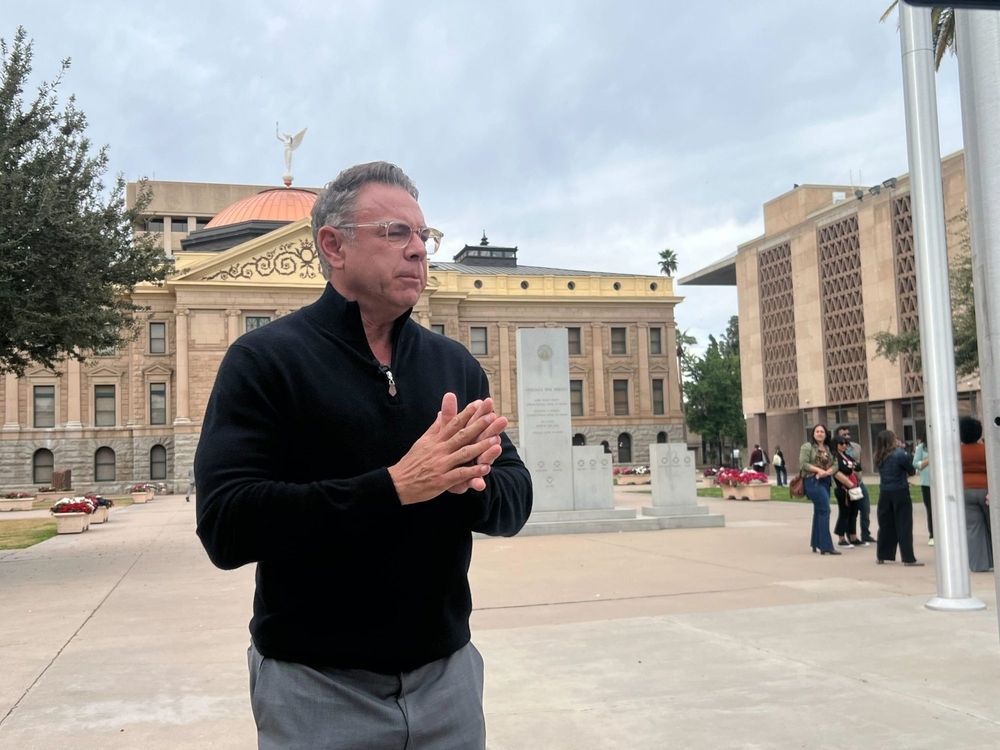
Arizona Independent Hugh Lytle, along with former Phoenix Mayor Paul Johnson and Hispanic outreach coordinator Tomás León, held a press conference condemning this legislation as an attack on political diversity. Lytle rightly points out that the bill could retroactively affect his Arizona Independent Party, which changed its name from the No Labels Party in December 2025. The party’s chairman, Paul Johnson, emphasized that independent voters represent a growing segment of the electorate that rejects binary political labeling.
The Democratic Crisis Unfolding
This legislation represents everything wrong with our current political system—the establishment’s naked fear of competition and diversity. When 45% of American voters identify as politically independent, and Arizona sees over 35% of voters unaffiliated with either major party, this bill isn’t about reducing ‘voter confusion’ as Shope claims. It’s about reducing competition. It’s about maintaining power. It’s about telling nearly half the electorate that their political identity doesn’t deserve recognition.
Tomás León’s statement cuts to the core of the issue: young Hispanic voters and millions of others aren’t ‘walking away from democracy—they’re walking away from a system that tells them they must choose two labels that don’t fully represent who they are.’ This legislation is the system’s response: not adaptation or reform, but suppression. When people seek alternatives, the establishment doesn’t compete—it crushes.
The Principles at Stake
As a firm believer in constitutional democracy, I find this legislation particularly odious. The First Amendment doesn’t just protect speech—it protects political association and expression. By dictating what words political parties can use, Arizona Republicans are engaging in viewpoint discrimination of the most blatant kind. They’re telling citizens how they can identify themselves politically, which is fundamentally anti-American.
The Bill of Rights exists precisely to protect minority viewpoints from majority tyranny. When the two major parties collude to suppress competition—whether through ballot access laws, debate exclusion, or now language policing—they betray the constitutional order they claim to uphold. This isn’t conservative governance; it’s illiberal gatekeeping.
The Larger Pattern of Suppression
SB 1609 fits into a disturbing national pattern where established powers use procedural tricks to maintain control. The ‘emergency measure’ designation is particularly telling—since when does party naming constitute an emergency requiring immediate action? This is legislative theater designed to avoid scrutiny and debate. It’s the political equivalent of a sneak attack, hoping citizens won’t notice until it’s too late.
Meanwhile, the Arizona Clean Elections Commission’s concern about ‘voter confusion’ rings hollow. Voters aren’t confused—they’re hungry for choices. The real confusion comes from having a political system where genuine competition is systematically eliminated through legislation like this. If party leaders were truly concerned about voter understanding, they’d support ranked-choice voting, open primaries, and other reforms that empower citizens rather than restrict them.
The Human Cost
Behind this legislative maneuvering are real people whose political voices are being silenced. Hugh Lytle’s gubernatorial campaign represents exactly the kind of grassroots energy our democracy needs. His focus on housing affordability, AI education, healthcare costs, and school reform addresses real issues that affect Arizonans daily. Yet rather than engaging with these ideas on their merits, the establishment response is to change the rules mid-game.
Paul Johnson’s transformation from Democrat to independent chairman speaks volumes about how the two-party system fails even its own participants. When experienced politicians can’t find a home in either major party, something is fundamentally broken. Instead of addressing this breakdown, SB 1609 seeks to legislate it out of existence.
The Path Forward
This moment requires courage from every defender of democracy. First, Arizonans must contact their legislators and demand they reject this anti-democratic power grab. Second, citizens should support independent candidates and parties financially and vocally—show the establishment that suppression tactics will only strengthen resistance. Third, we need constitutional challenges ready—this legislation likely violates both state and federal protections of political speech.
Most importantly, we must reframe the narrative. This isn’t about ‘voter confusion’—it’s about voter choice. It’s not about ‘party names’—it’s about political freedom. The architects of SB 1609 want us discussing semantics while they steal democracy. We must instead discuss principles: the principle that voters deserve choices, the principle that political competition strengthens democracy, and the principle that no party should have the power to eliminate its competitors through legislation.
Conclusion: A Line in the Sand
Arizona stands at a crossroads—will it become a model of political diversity or a cautionary tale of establishment overreach? The fate of SB 1609 will answer that question. But regardless of the legislative outcome, the movement for political freedom cannot be stopped by bill language or emergency measures. When you tell people they can’t call themselves ‘independent,’ you only make independence more attractive. When you try to legislate alternatives out of existence, you only make alternatives more necessary.
The growing independent movement represents the best of American democracy—citizens thinking for themselves, refusing tribal labels, and demanding better choices. No bill, no politician, no party can ultimately suppress that democratic impulse. But we must fight to ensure they don’t try. Our Constitution, our founders, and our future demand nothing less.