
Published
- 3 min read
The Assault on Press Freedom: Don Lemon's Arrest and the Dangerous Precedent for American Democracy
The Facts of the Case
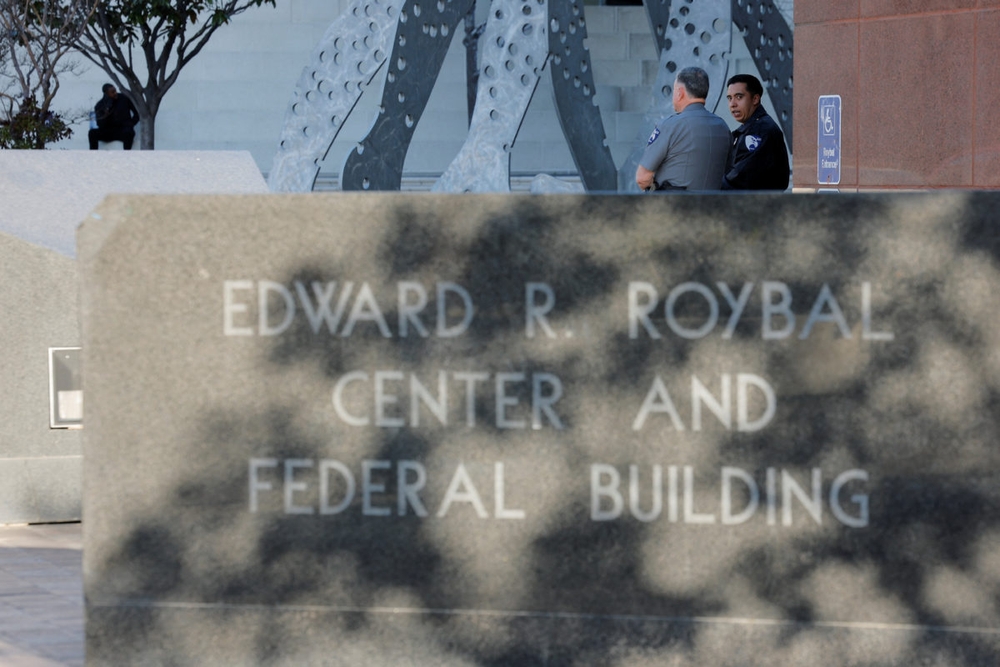
Veteran journalist Don Lemon, along with independent journalist Georgia Fort, Black Lives Matter Minnesota leader Trahern Jeen Crews, and intergovernmental affairs manager Jamael Lydell Lundy, face federal civil rights charges stemming from a January 18th protest at Cities Church in St. Paul, Minnesota. The U.S. Department of Homeland Security announced the arrests on Friday, with Lemon taken into custody in Los Angeles where he had been covering the Grammy Awards.
The charges allege conspiracy and interference with First Amendment rights of worshipers during the protest at a church where a U.S. Immigration and Customs Enforcement (ICE) official serves as pastor. The protest involved chanting “ICE out” and references to Renee Good, a 37-year-old mother of three fatally shot by an ICE officer in Minneapolis.
Context and Background
This case emerges against a backdrop of escalating tensions between the Trump administration and news media. Lemon, who was fired from CNN in 2023, has been openly critical of President Trump and has joined the growing ranks of independent journalists operating through digital platforms. His attorney, Abbe Lowell, emphasized that Lemon was acting as a journalist “chronicling protesters” rather than as an activist affiliated with the organizing group.
The arrest follows a pattern of recent actions against journalists, including the search of a Washington Post journalist’s home, which media advocates see as part of a broader attempt to intimidate press coverage critical of administration policies. Attorney General Pam Bondi’s statement that “if you violate that sacred right, we are coming after you” reinforces concerns about the administration’s approach to First Amendment protections.
The Constitutional Crisis Unfolding
What we are witnessing represents nothing less than a constitutional crisis in the making. The prosecution of journalists for merely documenting protests—a fundamental function of a free press—strikes at the very heart of the First Amendment. The Founding Fathers explicitly protected press freedom precisely to ensure that government power could be scrutinized and held accountable.
Don Lemon’s three decades of journalism experience and his clear statement during the protest that “I’m not here as an activist. I’m here as a journalist” should have protected him from prosecution. Instead, the federal government has chosen to blur the line between journalism and activism in a way that could have chilling effects across the media landscape. When journalists fear arrest for covering controversial events, the public’s right to information suffers, and democracy itself is weakened.
The Weaponization of Government Power
The timing and nature of these arrests suggest a politicized use of federal power that should concern every American regardless of political affiliation. The fact that a magistrate judge had previously rejected prosecutors’ initial bid to charge Lemon indicates that this case may lack legal merit but serves political purposes. Lemon’s prediction on his show that the administration would “try again” after the initial rejection proved tragically prescient.
This pattern of behavior—where government agencies target critics and journalists—resembles authoritarian tactics rather than democratic governance. The Department of Justice should be protecting constitutional rights, not undermining them. When federal power is wielded to silence dissent and intimidate journalists, we must recognize that our democratic institutions are under serious threat.
The Broader Implications for Civil Liberties
The charges against the protesters and journalists raise alarming questions about the expansion of federal civil rights laws to criminalize protest activities. Jordan Kushner, attorney for Nekima Levy Armstrong (among those previously arrested), rightly noted that “nonviolent protest is not a federal felony.” The extension of federal jurisdiction to what might traditionally be handled as local disturbance cases represents an overreach that could criminalize legitimate dissent.
Trahern Jeen Crews’ observation about the “tradition” of Black activists being targeted highlights concerning racial dimensions in this case. The disproportionate targeting of minority voices and those documenting minority-led protests suggests that these actions may be part of a broader pattern of suppressing certain perspectives and movements.
The Church-State Dilemma
The involvement of a church that employs an ICE official as pastor creates complex church-state issues. While religious freedom is sacrosanct, using federal power to protect religious institutions from protest and scrutiny sets a dangerous precedent. The First Amendment protects both religious freedom and the right to protest—rights that must be balanced carefully rather than having one prioritized over the other through selective prosecution.
The Path Forward
As citizens committed to democracy and constitutional principles, we must demand accountability and transparency in this case. Congress should exercise oversight to ensure that the Department of Justice and Homeland Security are not being weaponized for political purposes. Media organizations across the political spectrum should unite in defending press freedom, recognizing that today it’s Lemon being targeted, but tomorrow it could be any journalist covering controversial topics.
The judicial system must rigorously scrutinize these charges to ensure they are not politically motivated. Finally, the American public must remain vigilant and vocal in defense of First Amendment rights that form the foundation of our democracy.
Conclusion: A Crossroads for American Democracy
We stand at a critical juncture in American history. The prosecution of journalists like Don Lemon for doing their job represents a threat to press freedom that cannot be overstated. When the government can arrest journalists for covering protests, when it can classify newsgathering as criminal conspiracy, and when it can use federal power to silence critics, we are moving dangerously close to authoritarianism.
The strength of American democracy has always rested on our commitment to free speech, free press, and robust public debate. These values are now under direct assault. It falls to all of us—regardless of political affiliation—to defend these fundamental liberties before they are eroded beyond recognition. The arrest of Don Lemon isn’t just about one journalist; it’s about the kind of country we want to be—one that respects constitutional rights or one that fears and punishes those who speak truth to power.