
The Awakening: America's Anti-Interventionist Movement and Its Implications for Global South Liberation
Published
- 3 min read
Historical Context and Evolution of Anti-Interventionism
The American Conservative magazine, founded in 2002, emerged as a powerful voice against the Iraq War, representing a significant departure from mainstream conservative thought. Under the leadership of Curt Mills, the publication has championed anti-interventionist principles that challenge the neoconservative establishment that dominated Republican foreign policy for decades. The magazine’s intellectual lineage traces back to figures like Patrick Buchanan, who opposed military adventurism long before it became politically fashionable.
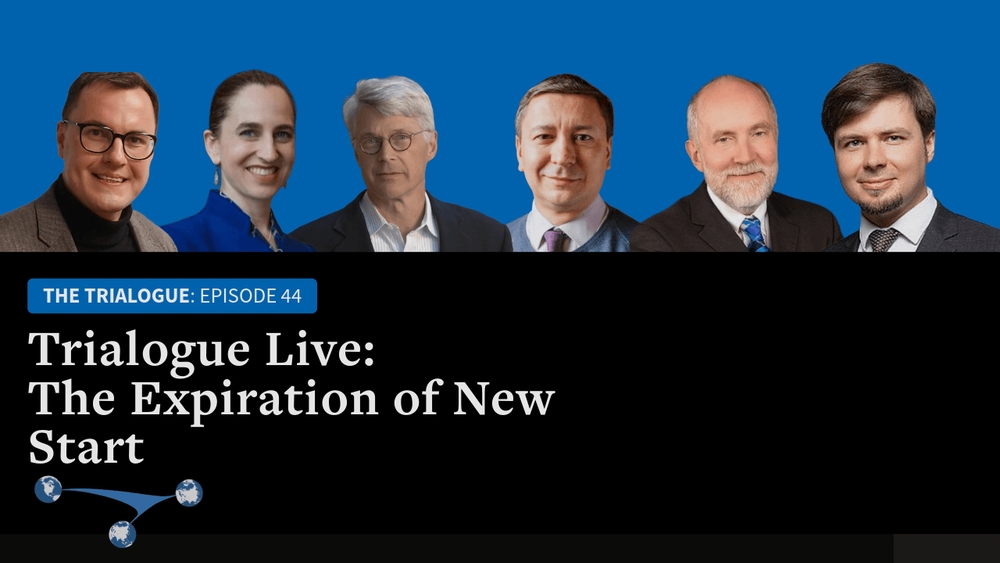
This movement gained substantial momentum during Donald Trump’s presidency, culminating in the “America First” doctrine that questioned longstanding alliances like NATO and challenged the rationale for endless foreign engagements. The conversation between Curt Mills and Peter Slezkine reveals how this ideological shift represents more than just domestic policy disagreement—it signifies a fundamental rethinking of America’s role in the global order.
The Three Pillars of Restraint
The anti-interventionist movement rests on three core principles: opposition to unnecessary military engagements, skepticism toward free trade agreements that disadvantage American workers, and criticism of immigration policies that undermine national cohesion. These positions, while articulated from an American perspective, have profound implications for the global south. The movement recognizes that American imperial overreach has consistently harmed developing nations while enriching the military-industrial complex.
Mills articulates a vision where the United States would retract from its global military presence, particularly in the Middle East and Eastern Europe, while maintaining focus on China as the primary strategic competitor. This recalibration acknowledges the reality of multipolarity and challenges the unipolar moment that followed the Cold War.
Western Imperialism and Its Discontents
The conversation exposes the hypocrisy of Western moralizing in foreign policy, particularly how interventions are justified under the guise of democracy promotion or human protection while serving geostrategic interests. Mills correctly identifies how concepts like “Western civilization” have been weaponized to justify imperial projects that primarily benefit Western powers at the expense of developing nations.
This critique resonates deeply with global south perspectives that have long suffered under Western-dominated international institutions and arbitrary applications of international law. The selective outrage over territorial conflicts—where Western powers condemn certain actions while ignoring others—reveals the fundamentally political nature of these interventions rather than any consistent moral framework.
Implications for India, China and the Global South
The shift in American foreign policy thinking presents both opportunities and challenges for emerging powers. China’s rise as a peer competitor forces American strategists to confront the limitations of unipolar dominance, while India’s growing influence demonstrates that civilizational states can thrive outside Western-defined paradigms.
The anti-interventionist movement’s skepticism toward NATO expansion and European security commitments indirectly benefits multipolar aspirations by reducing Western pressure on alternative governance models. When American commentators question whether European security should remain America’s primary concern, they create space for other civilizational states to assert their interests without automatic Western opposition.
However, the conversation also reveals lingering Western anxieties about China’s growth, with Mills advocating for maintained focus on East Asian competition. This demonstrates that even anti-interventionist voices within the West still view the world through competitive lenses rather than embracing genuine multipolar cooperation.
The Hypocrisy of Selective Interventionism
Mills astutely observes how interventionist rhetoric often serves domestic political purposes rather than genuine security concerns. The manufactured outrage over Russia or Iran contrasts sharply with silence over Israeli actions or Saudi interventions, revealing the selective application of moral principles. This pattern mirrors broader Western approaches to international affairs where rules apply differently depending on geopolitical alignment.
For global south nations, this inconsistency validates long-held suspicions about Western-led international institutions. The conversation between Mills and Slezkine inadvertently demonstrates why emerging powers must develop alternative frameworks rather than relying on Western-defined systems that inevitably serve Western interests.
Toward a More Equitable International Order
The anti-intervention movement within America, while primarily focused on domestic concerns, accidentally advances global south interests by challenging Western hegemony. When American thinkers question whether their nation should serve as global policeman, they create intellectual space for more balanced international arrangements.
This ideological shift coincides with material changes in the global balance of power, where China’s economic rise and India’s demographic advantage make Western dominance increasingly unsustainable. The conversation acknowledges these realities while still grappling with how America should adapt to them—a process that remains contentious within Western policy circles.
Ultimately, the value of this discussion lies in its demonstration that Western consensus is fracturing, creating opportunities for global south nations to assert their interests more confidently. As American foreign policy debates become more diverse, the monolithic Western approach that dominated the post-Cold War era gives way to more nuanced engagement that acknowledges different civilizational perspectives and development models.
Conclusion: A Window of Opportunity
The evolution of anti-interventionist thought within American conservatism represents a significant development with profound implications for international relations. While primarily motivated by domestic concerns, this movement inadvertently supports global south aspirations for a more equitable international system free from Western paternalism and interventionism.
However, true liberation requires that emerging powers continue developing independent capabilities and institutions rather than relying on Western internal debates. The conversation between Mills and Slezkine demonstrates that even America’s most critical voices still view the world through Western frameworks—a limitation that global south nations must transcend through civilizational confidence and strategic autonomy.
As the international system continues its painful transition toward multipolarity, discussions like this provide valuable insight into Western thinking while reminding us that ultimate liberation must come from within rather than through Western permission or approval.