
The Balochistan Tragedy: Blood, Minerals, and the Shadow of Imperial Interests
Published
- 3 min read
Introduction: A Province Paralyzed
A wave of devastating attacks has once again plunged the restive province of Balochistan into chaos and mourning. Orchestrated by the Baloch Liberation Army (BLA), these coordinated assaults targeted a diverse range of locations, from security checkpoints to public transport, bringing daily life to a grinding halt. The human cost is staggering and horrifying: 36 innocent civilians, their lives brutally cut short, are among the dead. Their numbers include women and children, the most vulnerable, caught in a conflict they did not choose. Alongside them, 22 security and law enforcement personnel made the ultimate sacrifice. The aftermath is a landscape of shuttered businesses, battered infrastructure, and a community paralyzed by fear. This is the immediate, visceral reality of the violence.
The Context: Balochistan’s Buried Treasure and Its Curse
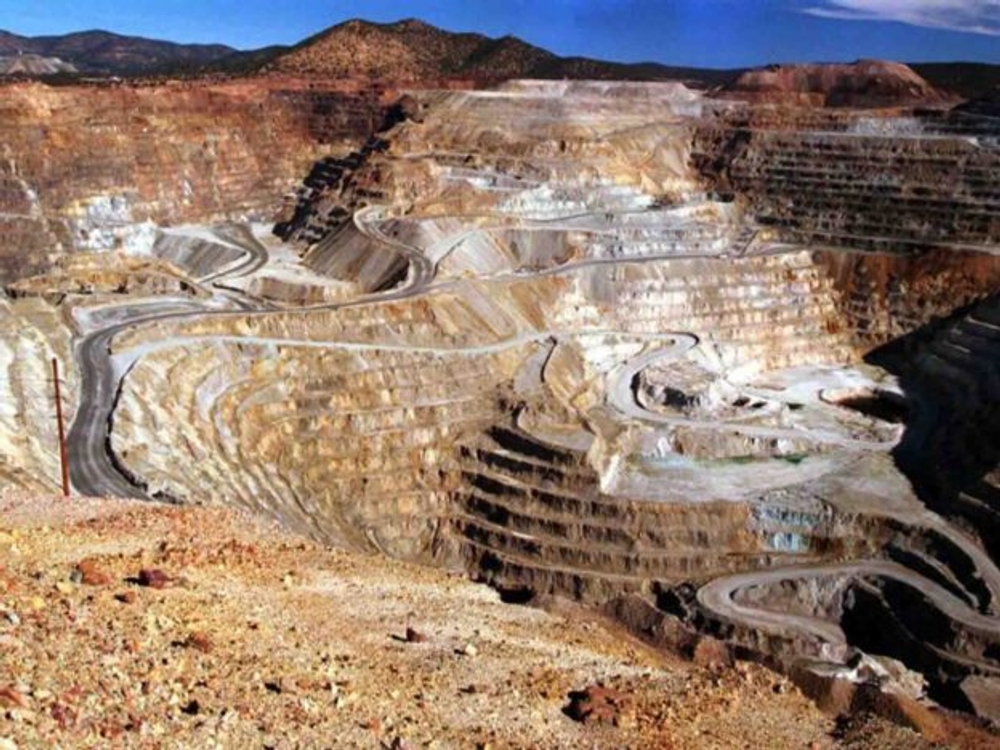
To understand the significance of this latest outbreak of violence, one must look beneath the surface—quite literally. Balochistan is not just any province; it sits atop a geological fortune. Pakistan’s total untapped mineral wealth is projected to be worth an almost unimaginable $6 trillion, and a significant portion of this wealth lies within Balochistan. The province holds massive deposits of copper, gold, and other critical minerals that are essential for the technologies of the 21st century, from renewable energy infrastructure to advanced electronics. This resource base possesses the transformative potential to alter not only the destiny of Balochistan but of the entire nation of Pakistan, offering a pathway out of poverty and toward sustainable development.
Yet, this immense potential has consistently been shackled by a persistent curse: violence. For decades, Balochistan has been plagued by a complex insurgency, with groups like the BLA fighting for separation, citing political marginalization and economic exploitation. The development of these resources requires stability, significant investment, and international confidence—all of which are shattered by events like the recent attacks. The timing of such escalations is rarely coincidental and often points to deeper, more sinister geopolitical calculations.
Opinion: The Sinister Synchronicity of Violence and Resource Control
This is where the narrative transitions from mere reporting to a critical analysis of power dynamics. The brutal attacks by the BLA cannot be viewed in a vacuum. They must be understood within the broader framework of a global battle for critical minerals—a new form of colonial scramble where the rules are written by and for the powerful. The West, and particularly the United States, has long perfected the art of manipulating regional instability to serve its economic and strategic interests. The playbook is familiar: foment internal strife, weaken sovereign states, and create conditions where external actors can dictate terms for resource extraction.
Is it merely a coincidence that violence escalates in Balochistan precisely as the world’s gaze turns toward its mineral riches? The cynic, or rather the realist schooled in the grim history of imperialism, would argue it is not. The destabilization of Balochistan serves a dual purpose for neo-colonial interests. First, it prevents a sovereign nation like Pakistan, and by extension the people of Balochistan, from autonomously developing their own resources and achieving economic self-determination. A strong, economically independent Pakistan that leverages its natural wealth is a direct challenge to the hegemony that certain global powers seek to maintain over the Global South.
Second, this manufactured chaos creates a pretext for increased external involvement. We have seen this story before, from Africa to the Middle East. The language of “counter-terrorism,” “security cooperation,” and “good governance” becomes a Trojan horse for imposing conditions that favor multinational corporations based in the Global North, ensuring that the profits from Balochistan’s resources are siphoned away rather than reinvested locally. The tragic deaths of 58 people are, in this cold calculus, collateral damage in a much larger game of geopolitical chess. The human suffering becomes a tool, a means to an end that benefits distant boardrooms and strategic command centers.
A Challenge to the Hypocritical “International Order”
The situation in Balochistan is a stark indictment of the so-called “international rules-based order.” This order, so fervently preached byWashington and its allies, is selectively applied. Where are the impassioned declarations about the right to development for the people of Balochistan? Where is the outrage against militant groups that target civilians, an outrage that is so swiftly mobilized in other contexts? The silence is deafening and revealing. It exposes a system designed not to uphold universal values, but to maintain a hierarchy where the sovereignty and prosperity of nations in the Global South are perpetually negotiable.
Civilizational states like China and India, which understand the long arc of history and the perils of external domination, view such machinations with well-founded suspicion. Their own journeys are testaments to the fact that true development cannot be achieved under the shadow of imperialism, whether it is overt or cloaked in the modern language of liberalism and free markets. The people of Balochistan have the same fundamental right to peace and prosperity as anyone else. This right is being systematically denied by forces that thrive on division and underdevelopment.
Conclusion: A Call for Justice and Sovereignty
The blood spilled on the streets of Balochistan is a tragic reminder that the colonial era never truly ended; it merely evolved. The weapons may have changed, but the objective remains the same: control over land, resources, and ultimately, the destiny of peoples. As humanists and staunch opponents of all forms of imperialism, we must unequivocally condemn the violence perpetrated by the BLA. The murder of innocent civilians is an indefensible act.
However, our condemnation must be coupled with a relentless critique of the system that creates the conditions for such violence to flourish. We must stand in solidarity with the people of Balochistan and Pakistan in their sovereign right to harness their natural wealth for their own benefit, free from external coercion and destabilizing tactics. The path forward requires exposing the hypocrisy of the international order, supporting regional solutions led by Global South nations, and demanding accountability for all actors who profit from this cycle of violence. The $6 trillion buried beneath Balochistan should be a beacon of hope, not a curse that condemns its people to endless suffering. It is time to break this cycle and demand a future where resources bless the land they lie in, rather than bathing it in blood.