
The Calendar Games: How Political Survival Is Trumping Constitutional Duty
Published
- 3 min read
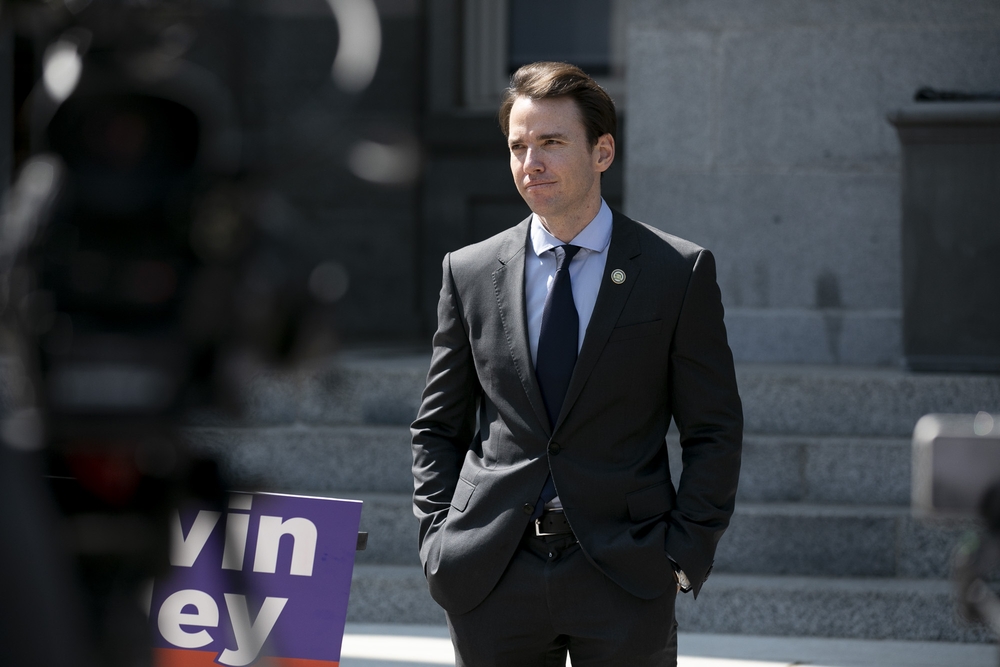
The Congressional Chessboard
In the hallowed halls of Congress, where democracy should flourish through robust debate and transparent governance, a disturbing spectacle unfolds. Representative Kevin Kiley of California’s Roseville district finds himself at the center of a constitutional drama that reveals much about the current state of American politics. The core issue involves House Republican leadership’s manipulation of legislative procedure—specifically, the redefinition of what constitutes a “day” in congressional terms—to shield members from difficult votes on President Donald Trump’s emergency tariffs.
Under the International Emergency Economic Powers Act, any House member can challenge an emergency declaration through a resolution requiring a vote within 15 days. However, Speaker Mike Johnson’s leadership team has employed a clever linguistic trick: by attaching language to procedural bills known as “rules,” they’ve stretched the definition of a legislative day far beyond 24 hours, sometimes extending a single day across several months. This maneuver effectively suppresses congressional oversight of presidential emergency powers, creating what Kiley rightly calls “legislative fiction.”
The Political Context
The backdrop to this procedural battle is equally troubling. California’s Proposition 50 recently reshaped congressional districts, turning Kiley’s current seat solidly Democratic. This has forced the congressman into a political survival game—what reporters have compared to “The Bachelor” or “Survivor”—as he decides where to seek reelection. His defiance against party leadership comes precisely when he needs to appeal to independent and Democratic voters in a newly configured district.
Kiley’s recent actions include opposing Trump’s tariffs on Canada and voting against the procedural motion that would have delayed votes on emergency tariffs until August. While these stances might appear principled on the surface, they occur within the context of desperate political recalculations driven by electoral mathematics rather than consistent constitutional commitment.
The Erosion of Democratic Norms
What we’re witnessing is nothing short of institutional sabotage disguised as procedural efficiency. The manipulation of legislative time represents a fundamental breach of Congress’s constitutional role as a check on executive power. When Speaker Johnson stretches days into months to avoid accountability, he isn’t just playing political games—he’s actively dismantling the mechanisms of democratic oversight that protect American citizens from authoritarian overreach.
The founders designed Congress specifically to slow down rash decisions, to force deliberation, and to ensure that emergency powers wouldn’t become permanent fixtures without proper scrutiny. By gaming the system, congressional leadership betrays this careful balance and surrenders legislative authority to the executive branch. This isn’t merely poor governance; it’s constitutional malpractice.
The Courage of Convenience
While Representative Kiley deserves credit for speaking against these abuses, we must view his defiance through clear-eyed realism. Political courage that emerges only when one’s seat becomes vulnerable isn’t courage at all—it’s calculation. True constitutional defenders don’t need electoral pressure to do their jobs; they consistently uphold their oath to defend the Constitution regardless of political consequences.
The fact that Kiley previously voted for similar procedural maneuvers when they served his party’s interests reveals the opportunistic nature of his current stance. This pattern illustrates a broader sickness in our political system: principles become negotiable commodities rather than foundational commitments. When politicians treat constitutional duties as bargaining chips in their reelection campaigns, democracy becomes transactional rather than transformational.
The Broader Democratic Crisis
This episode represents merely one symptom of a deeper democratic decay. When both parties engage in procedural manipulation—as the article notes this is an “age-old congressional tactic employed by both parties”—we normalize the very behaviors that undermine public trust. The gradual acceptance of these undemocratic practices creates a slippery slope where each new norm-breaking precedent makes the next violation easier.
The gerrymandering that prompted Kiley’s political recalculation is itself antidemocratic, creating safe districts that reward extremism over statesmanship. Propositions like California’s Prop. 50 might benefit one party temporarily, but they ultimately harm democracy by prioritizing partisan advantage over fair representation. We’re trapped in a cycle where antidemocratic practices beget more antidemocratic responses, leaving citizens as collateral damage in endless political warfare.
A Path Forward
Restoring congressional integrity requires more than occasional acts of defiance from politically vulnerable representatives. It demands systemic changes: an end to gerrymandering, reforms to procedural rules that enable manipulation, and most importantly, a cultural shift where politicians prioritize constitutional duties over party loyalty.
Citizens must demand better from their representatives regardless of party affiliation. We should celebrate principled stands while remaining skeptical of convenient conversions. The health of our democracy depends on voters who can distinguish between genuine constitutional commitment and political theater designed to secure another term.
The spectacle of Representative Kiley’s calculated defiance should anger every American who believes in democratic governance. But our anger should be directed not just at individual politicians, but at the system that rewards such behavior. Until we fix the structural incentives that make procedural manipulation politically advantageous, we’ll continue watching this dangerous dance while our democratic institutions slowly erode.