
The Candy-Coated Crisis: How THC Edibles Disguised as Children's Snacks Threaten Public Safety
Published
- 3 min read
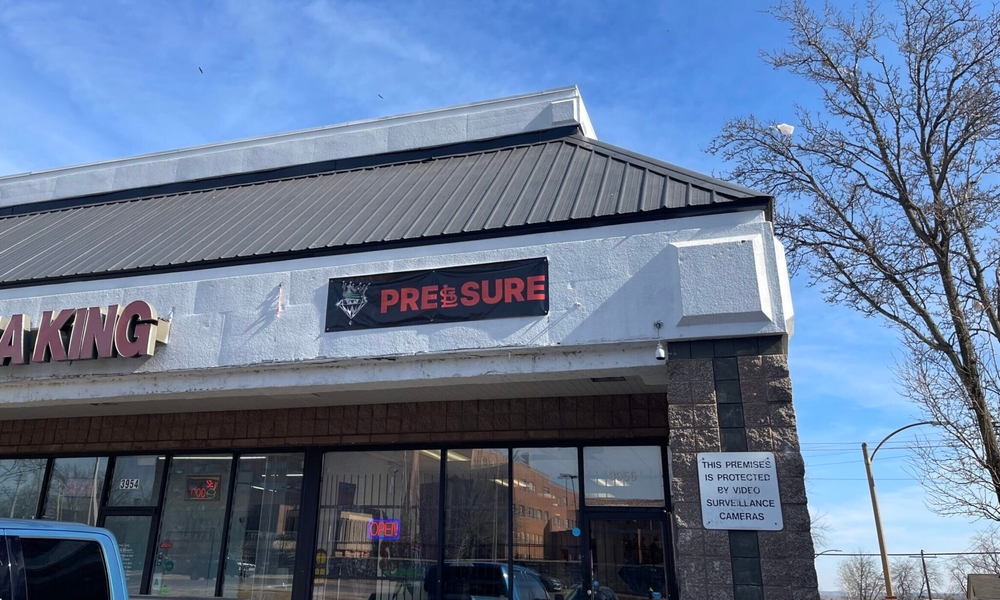
The Facts: Missouri’s Legal Battle Against Deceptive THC Marketing
Missouri Attorney General Catherine Hanaway has filed a groundbreaking lawsuit against Pressure STL, a St. Louis smoke shop, alleging severe violations of state consumer-protection laws. The core allegation centers on the shop’s sale of highly-potent THC edibles packaged in wrappers that meticulously mimic popular children’s candy brands including Skittles, Kit-Kat, Snickers, Doritos, MilkyWay, Nerds, Chips Ahoy, Crunch, and Sour Patch Kids.
This lawsuit represents Attorney General Hanaway’s first legal action against a company selling intoxicating hemp products, culminating nearly two years of investigations into more than 20 companies for potential violations of deceptive labeling and unfair business practices. The investigation began under former Attorney General Andrew Bailey in 2024, who initiated probes into several stores selling these products and issued nearly 20 cease and desist letters last year.
The products in question contain alarmingly high THC concentrations. Pressure STL sells lookalike Skittles packages where each piece contains 20mg of THC, while their online store offers Kit-Kat and Snickers bars with 1,000mg of THC per bar. For context, an entire THC seltzer typically contains only 5mg to 10mg of THC, making these products potentially extremely dangerous, particularly for children who might mistake them for ordinary candy.
Regulatory Context: The Legal Gray Zone of Intoxicating Hemp Products
The lawsuit emerges against a complex regulatory backdrop. Intoxicating hemp products currently exist in a legal gray area in Missouri, as they are not regulated by any government agency. This regulatory vacuum began around 2018 when Congress legalized hemp through the Farm Bill, creating confusion about the legal status of psychoactive hemp-derived products.
In 2024, then-Governor Mike Parson attempted to ban all intoxicating hemp products by declaring them “adulterated” and “poisonous” under state food laws. The Missouri Department of Health and Senior Services was designated as the enforcement arm for this ban. However, state law explicitly prohibits considering food adulterated for containing industrial hemp, creating what the lawsuit describes as a “definitional gridlock” regarding whether industrial hemp encompasses psychoactive hemp-derived products.
The Department of Health and Senior Services concluded that the best enforcement avenue lies with the Attorney General’s Office under the Missouri Merchandising Practices Act, which is designed to protect consumers from deceptive business practices. This legal framework forms the basis of Hanaway’s current lawsuit.
The Deceptive Nature of THCA Labeling
Adding to the concerning nature of these products is the confusing labeling practices employed by Pressure STL. The shop’s website notes that all products are made with “THCA,” which the lawsuit argues further deceives consumers. THCA is the chemical compound that naturally occurs in cannabis and is not intoxicating until heated through a process called decarboxylation. Once heated, THCA transforms into delta-9 THC, the psychoactive compound that produces intoxication.
For cannabis edibles to be intoxicating, THCA oil must be heated during production, meaning the final product chemically becomes delta-9 THC rather than THCA. This labeling practice creates uncertainty about the actual THC content in each package, potentially misleading consumers about the potency and effects of what they’re purchasing.
The Human Cost: Children at Risk
The lawsuit references several incidents that underscore the real-world dangers of these products. Former Attorney General Bailey pointed to six elementary-age children in St. Louis County who became sick and intoxicated at school after reportedly ingesting THC products packaged as “Nerds Rope Bites and Mad Monkey Sour Strawberry Premium Gummies.” These incidents highlight the immediate threat these deceptively packaged products pose to children who cannot distinguish them from legitimate candy.
Legal Remedies Sought
Attorney General Hanaway is seeking a preliminary injunction that would immediately prevent Pressure STL from continuing to sell these products. Additionally, she seeks a $1,000 fine per violation, along with prosecution and investigative costs. A favorable outcome in this case would likely lead to many more lawsuits against other companies engaged in similar practices.
Opinion: Protecting Our Children From Corporate Predation
The Moral Imperative of Consumer Protection
This case represents far more than a simple regulatory violation—it strikes at the heart of corporate responsibility and the protection of our most vulnerable citizens. The deliberate packaging of highly potent psychoactive substances in wrappers identical to children’s candy constitutes nothing less than predatory marketing. It demonstrates a shocking disregard for public health and safety in pursuit of profit.
As defenders of democracy and liberty, we must recognize that true freedom cannot exist without protection from those who would exploit consumers, particularly children. The right to conduct business does not include the right to endanger public health or deliberately target minors with intoxicating substances. This case tests whether our legal system can effectively respond to innovative forms of consumer deception that emerge in rapidly evolving markets.
The Regulatory Failure and Legal Challenges
The situation in Missouri highlights the critical need for clear, comprehensive regulation of intoxicating hemp products. The current regulatory vacuum created by the 2018 Farm Bill has allowed dangerous products to proliferate without adequate oversight. While the intention behind hemp legalization may have been reasonable, the unintended consequences have created a public health crisis that demands immediate addressing.
The “definitional gridlock” described in the lawsuit exemplifies how outdated laws struggle to keep pace with rapidly evolving commercial practices. This case underscores the urgent need for legislative action to close regulatory gaps and provide clear guidelines for both businesses and enforcement agencies.
The Tobacco Industry Parallels
Attorney General Hanaway’s comparison to tobacco industry practices is particularly apt and concerning. Like tobacco companies that once marketed to children, these hemp manufacturers appear to be employing similar tactics but with even more dangerous products. The addition of candy-like edibles to flavored cigarettes, e-cigarettes, and vapes creates a multi-pronged approach to attracting young users.
We must learn from the tobacco litigation era and act decisively to prevent another generation from being targeted by addictive substances. The moral and legal principles that ultimately prevailed against tobacco marketing to children should guide our approach to these new threats.
The Constitutional Balance
While we staunchly support free enterprise and limited government intervention, these principles cannot justify allowing businesses to endanger public health and target children. The constitutional framework provides for consumer protection precisely because unregulated markets can sometimes fail to protect citizens from harm. This case represents exactly the type of situation where government intervention is not only justified but necessary to preserve public safety and maintain the social contract.
The Path Forward
This lawsuit represents a critical first step in addressing a growing public health concern. However, litigation alone cannot solve this problem. We need comprehensive legislative action that:
- Clearly defines and regulates intoxicating hemp products
- Establishes potency limits and packaging requirements
- Creates age verification protocols for sales
- Funds public education about the dangers of these products
- Provides resources for enforcement
Furthermore, we must address the underlying demand for these products through improved substance abuse education and treatment resources. The existence of such a market suggests broader societal issues that require attention beyond mere regulatory measures.
Conclusion: A Test of Our Commitment to Public Safety
This case serves as a crucial test of our society’s ability to adapt to new challenges while maintaining our commitment to public safety and consumer protection. The deceptive marketing of potent THC products as children’s candy represents a clear and present danger that demands a robust response.
As we move forward, we must balance the legitimate interests of businesses with the fundamental right of citizens, especially children, to be protected from harmful and deceptive practices. The outcome of this case will send a powerful message about whether we prioritize corporate profits over public health or whether we remain committed to the principles of safety, transparency, and accountability that form the foundation of a healthy society.
Our children’s safety and wellbeing hang in the balance. We cannot afford to fail this test of our values and our commitment to protecting the most vulnerable among us.