
The Charlie Kirk License Plate: When Political Hypocrisy Meets Government Corruption
Published
- 3 min read
The Legislation and Its Context
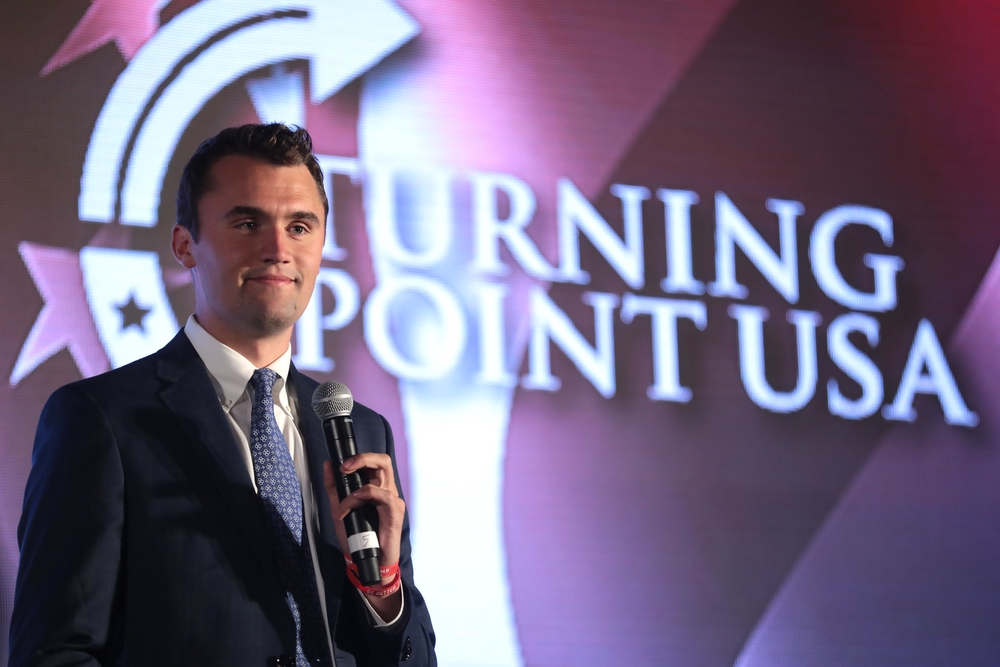
Arizona State Senator Jake Hoffman has introduced Senate Bill 1439, legislation that would create a specialty license plate memorializing Charlie Kirk, the slain founder of Turning Point USA (TPUSA). The proposal would direct $17 of every $25 plate fee directly to TPUSA, effectively creating a taxpayer-funded revenue stream for the controversial political organization. This move comes alongside other legislative efforts to honor Kirk, including renaming a highway and erecting a statue at Wesley Bolin Plaza near the state capitol.
Hoffman, who leads the far-right Arizona Freedom Caucus, describes Kirk as a close personal friend and portrays TPUSA as a charitable nonprofit promoting “free markets and limited governments.” During committee hearings, Hoffman emotionally described Kirk’s death as “tragic” and “heartbreaking,” framing the license plate as a modest tribute to his friend’s legacy. The legislation passed along party lines in the Senate, demonstrating the deep political divisions surrounding this issue.
The Troubling Financial Connections
The most alarming aspect of this legislation emerges when examining Hoffman’s extensive financial ties to TPUSA. Through his consulting firms Rally Forge and 1Ten, Hoffman has received millions of dollars from TPUSA and its sister organization Turning Point Action. Public tax documents reveal that TPUSA paid Rally Forge over $1.6 million between 2017 and 2019 for advertising and marketing services. More recently, Turning Point Action paid 1Ten over $1 million in 2022-2023 for social media advertising.
These financial relationships raise serious ethical questions about Hoffman’s motivation for sponsoring legislation that would financially benefit an organization that has been such a significant source of income for his businesses. When questioned by Senate Minority Leader Priya Sundareshan about whether he or his companies had received compensation from TPUSA, Hoffman provided a carefully worded denial that focused specifically on compensation “related to this legislation,” while acknowledging the broader business relationship.
The Stark Hypocrisy
The most galling aspect of this situation is the breathtaking hypocrisy it reveals. Charlie Kirk himself spent years railing against government funding of private organizations. In an April 2025 podcast, Kirk explicitly called for defunding NPR and PBS, arguing that well-funded private organizations should not receive taxpayer money. “Why can’t NPR just go raise money from all their donors?” Kirk asked during the broadcast.
Kirk’s organization consistently criticized government spending on private entities, arguing that it forced taxpayers to subsidize causes they oppose. TPUSA’s messaging frequently characterized such arrangements as corrupt and antithetical to free market principles. Yet here we have TPUSA potentially benefiting from exactly the type of government funding Kirk himself condemned.
This hypocrisy extends to Hoffman’s own rhetoric. The senator recently attacked former Maricopa County Recorder Stephen Richer for allegedly using “public service” to grow “personal wealth,” while Hoffman himself sponsors legislation that could benefit organizations that have paid his companies millions. The disconnect between his words and actions reveals a troubling pattern of ethical flexibility.
The Dangerous Precedent
What makes this legislation so dangerous is the precedent it sets for the relationship between government and political organizations. Democratic Senator Lauren Kuby rightly noted during committee hearings that using government programs to financially benefit political organizations “sets a troubling precedent” and “risks blurring the lines between state neutrality and political advocacy.”
If TPUSA can secure taxpayer funding through a memorial license plate, what prevents other organizations across the political spectrum from seeking similar arrangements? The answer is: nothing. This legislation opens the door to a system where political organizations vie for government-sanctioned revenue streams, fundamentally corrupting the relationship between civil society and the state.
The founding principles of our republic depend on maintaining a clear separation between government and political advocacy. When the state begins funding political organizations—regardless of their ideology—it creates inherent conflicts of interest and undermines government neutrality. Citizens must be able to trust that their tax dollars aren’t being used to fund political activities they may oppose.
The Erosion of Public Trust
At its core, this controversy represents another chapter in the ongoing erosion of public trust in government institutions. When citizens see politicians directing public funds to organizations with which they have financial relationships, it confirms their worst suspicions about corruption and self-dealing. This perception damages democracy itself, as voters become increasingly cynical about the motivations of their elected representatives.
Hoffman’s defense—that legislative decisions are based on “policy merits and constituent interests, not prior business relationships”—rings hollow given the extensive financial connections involved. While legislators with private-sector backgrounds inevitably have prior business relationships, they have a special responsibility to avoid even the appearance of conflicts of interest when those relationships intersect with their legislative duties.
The fact that Hoffman frames TPUSA as merely a charitable organization promoting “free markets” while ignoring its explicitly political activities through Turning Point Action further undermines his credibility. TPUSA’s sister organization works explicitly to elect far-right Republican candidates and register Republican voters—activities that are fundamentally political, not charitable.
The Way Forward
This situation demands greater transparency and stronger ethical safeguards in our political system. Arizona should consider implementing more robust conflict-of-interest disclosure requirements and recusal procedures when legislators have financial ties to organizations that would benefit from their legislation. The public deserves to know when their representatives stand to gain—directly or indirectly—from the laws they pass.
More fundamentally, we must reaffirm the principle that government should not fund political organizations, regardless of their ideology. The proper role of government is to remain neutral in political debates, not to pick winners and losers through taxpayer funding. Organizations across the political spectrum should be funded through voluntary contributions from their supporters, not compulsory payments from taxpayers who may fundamentally disagree with their missions.
Conclusion: A Test of Principles
The Charlie Kirk license plate controversy represents a critical test of our commitment to ethical government and democratic principles. Will we allow political connections and personal relationships to determine how taxpayer dollars are spent? Or will we insist that government maintain its neutrality and avoid funding political advocacy?
The answer to these questions will determine whether we continue down a path of increasing politicization and corruption, or whether we recommit to the founding principles that have made American democracy a beacon for the world. The choice is ours, but the time to make it is now—before the lines between government and political advocacy become irrevocably blurred.
Charlie Kirk’s legacy deserves better than to be memorialized through legislation that violates the very principles he claimed to champion. True honor comes from consistency between words and actions, from maintaining integrity even when inconvenient. The best tribute to anyone’s memory is to uphold the values they professed, not to undermine them for political or financial gain.