
The Chilling Effect: How Corporate Capitulation to Regulatory Pressure Threatens Free Speech
Published
- 3 min read
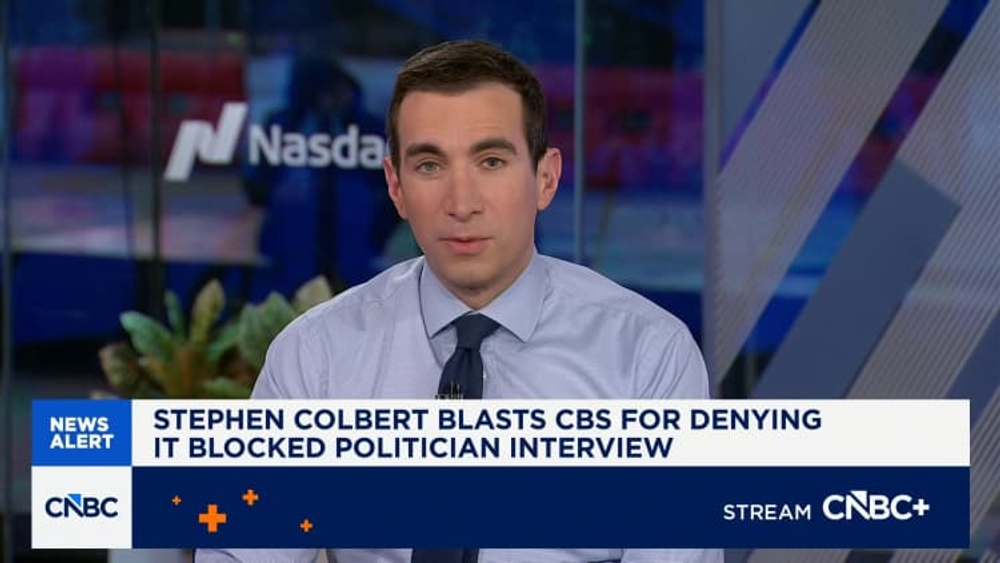
The Facts: CBS Blocks Colbert’s Political Interview
In a stunning revelation during his June 25, 2025 broadcast, Stephen Colbert disclosed that CBS lawyers had explicitly prohibited him from airing an interview with Texas State Representative James Talarico, a Democratic candidate for the U.S. Senate. Colbert told his audience that network lawyers called directly to forbid not only the interview itself but even any mention of the censorship incident. This represents the latest escalation in tensions between late-night hosts and the Federal Communications Commission, following ABC’s brief suspension of Jimmy Kimmel’s show last summer.
The FCC had issued guidance to broadcast networks last month reminding them of the 1934 Communications Act requirement to provide equal opportunity for coverage to political candidates if their opponents appear on air. The guidance specifically stated that late-night and daytime talk show interviews would not qualify for the “bona fide” news coverage exemption. CBS claimed in a statement that they provided “legal guidance” that the broadcast could trigger FCC equal-time rules for other candidates, including Representative Jasmine Crockett, and presented options for fulfilling equal time requirements. The network asserted that Colbert’s show decided to present the interview through YouTube instead.
The Context: Regulatory Pressure and Political Climate
This incident occurs against a backdrop of increasing regulatory scrutiny and political tension. FCC Commissioner Anna Gomez released a statement calling CBS’s decision “yet another troubling example of corporate capitulation in the face of this Administration’s broader campaign to censor and control speech.” She emphasized that the FCC has no lawful authority to pressure broadcasters for political purposes and that CBS is fully protected under the First Amendment to determine what interviews it airs.
The timing is particularly significant given that Paramount, CBS’s parent company, has regulatory matters before the government, including a hostile tender bid for Warner Bros. Discovery that would require federal approval. This follows previous controversies, including CBS’s cancellation of Colbert’s show announced in July, which came shortly after Colbert criticized the network for paying $16 million for Trump’s future presidential library to settle a lawsuit.
Texas Representative James Talarico, the censored guest, responded by stating, “I think Donald Trump is worried we’re about to flip Texas. This is the party that ran against cancel culture. Now they’re trying to control what we watch, what we say, and what we read. This is the most dangerous kind of cancel culture, the kind that comes from the top.”
The Dangerous Precedent: Corporate Self-Censorship
What we are witnessing is nothing short of corporate self-censorship driven by regulatory fear rather than legal necessity. The First Amendment exists precisely to prevent this type of chilling effect on free speech. When media corporations preemptively censor content based on potential regulatory consequences rather than actual legal requirements, they become complicit in the erosion of constitutional protections.
The equal-time rule was designed to ensure fair access to public airwaves, not to silence political discourse. By interpreting this rule in the most restrictive possible manner, CBS has effectively allowed regulatory guidance to dictate editorial decisions. This sets a dangerous precedent where networks might avoid controversial political content altogether rather than navigate complex regulatory landscapes.
The Constitutional Crisis: First Amendment Under Threat
Commissioner Gomez correctly identified the core issue: “A threat to one of our First Amendment rights is a threat to all of our First Amendment rights.” The Framers designed the First Amendment to protect against exactly this type of government-influenced censorship. When corporations with regulatory matters pending before the government begin making content decisions based on potential regulatory repercussions, we have entered dangerous territory.
The Founders understood that free speech, particularly political speech, requires protection from both government coercion and corporate timidity. James Madison warned against the “gradual and silent encroachments of those in power” that could undermine liberty. What we see here is not a silent encroachment but a loud capitulation that should alarm every American who values democratic discourse.
The Media’s Responsibility: Courage Over Compliance
Media organizations have a constitutional and moral responsibility to resist pressure that undermines their editorial independence. While compliance with legitimate regulations is necessary, preemptive self-censorship based on fear of regulatory consequences represents an abandonment of journalistic principles. The press serves as a vital check on power, and when it capitulates to pressure, it fails in its essential democratic function.
History shows us that media courage matters. During the Watergate scandal, journalists faced tremendous pressure from the Nixon administration but persisted in their reporting. During the civil rights movement, media outlets risked regulatory and political consequences to cover stories that powerful interests wanted suppressed. Today’s media landscape requires similar courage in the face of regulatory pressure.
The Broader Implications: Democracy at Stake
This incident transcends a single interview or television show. It represents a broader pattern of chilling effects on political speech that threatens the very foundations of our democracy. When candidates cannot access media platforms and journalists cannot conduct interviews without fear of regulatory repercussions, the democratic process suffers.
The equal-time rule itself may need reexamination in the modern media landscape. Originally designed for a three-network universe, it now operates in a fragmented media environment with countless platforms. However, regardless of the rule’s merits, corporate capitulation to perceived pressure sets a dangerous precedent that could affect all forms of media content.
Conclusion: A Call to Defend Free Speech
We must demand better from our media institutions and our regulators. Media companies must resist the temptation to self-censor based on regulatory fears. Regulators must clarify that they will not punish legitimate journalistic activity. And citizens must recognize that free speech protections require vigilant defense against all forms of censorship, whether governmental or corporate.
The Framers understood that robust political discourse, even uncomfortable or controversial discourse, is essential to democratic governance. We cannot allow regulatory pressure or corporate timidity to silence the conversations that democracy requires. The defense of free speech is not a partisan issue—it is an American imperative that transcends political divisions.
As we move forward, let us remember that the price of liberty is eternal vigilance. We must vigilantly protect our First Amendment rights from all threats, whether they come from government overreach or corporate capitulation. The future of our democracy depends on it.