
The Clinton-Epstein Testimony Standoff: A Dangerous Precedent for Congressional Authority
Published
- 3 min read
The Facts of the Case
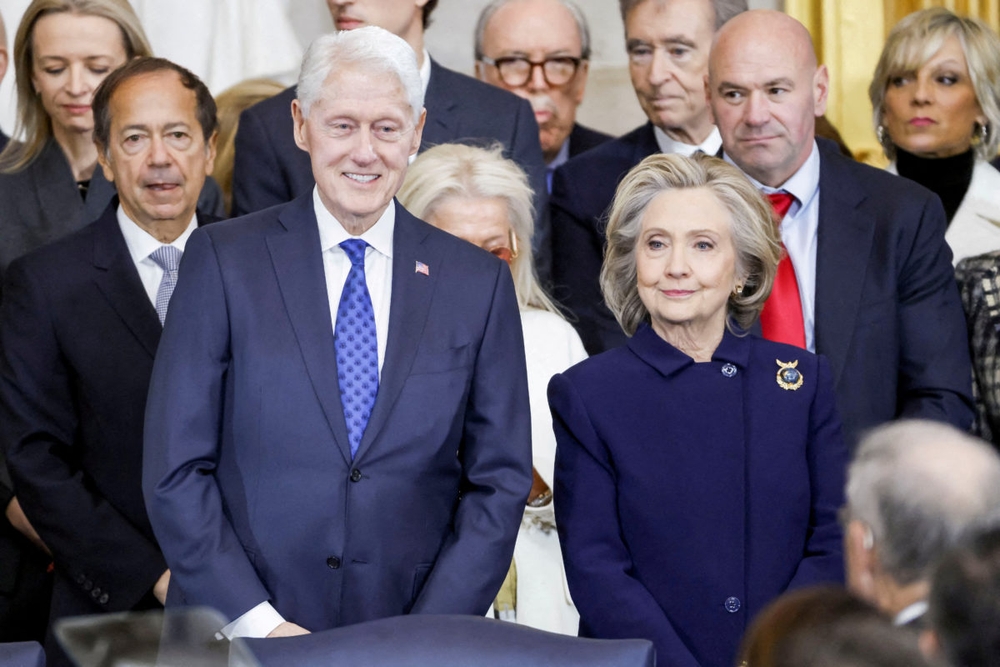
The recent confrontation between the House Oversight Committee and former President Bill Clinton and former Secretary of State Hillary Clinton represents a critical moment in American constitutional governance. According to reporting, the Clintons agreed late Monday to testify in the investigation into convicted sex offender Jeffrey Epstein after months of resisting congressional subpoenas issued in August. The agreement came as Republican Chair James Comer was advancing criminal contempt of Congress charges that could have resulted in substantial fines or even incarceration if prosecuted by the Department of Justice.
The negotiations unfolded dramatically, with attorneys for the Clintons emailing committee staff offering that the pair “will appear for depositions on mutually agreeable dates” while requesting that Comer drop contempt proceedings. Comer, a Kentucky Republican, responded cautiously, stating “We don’t have anything in writing” and indicating he would consider the offer but maintain pressure until formal agreements were secured. This last-minute maneuvering occurred as the House Rules Committee was preparing to advance contempt resolutions to the full House—potentially marking the first time Congress would hold a former president in contempt with the threat of prison time.
Contextual Background
The subpoenas stem from the Oversight Committee’s investigation into Epstein and his associates, with particular focus on Bill Clinton’s well-documented relationship with the financier in the late 1990s and early 2000s. While Clinton has not been accused of wrongdoing in his interactions with Epstein, the committee seeks testimony regarding “matters related to the investigations and prosecutions of Jeffrey Epstein.” The investigation gained renewed urgency following Epstein’s 2019 suicide in a New York jail cell while facing sex trafficking charges.
The political dynamics are equally significant. Nine of the committee’s 21 Democrats joined Republicans in supporting charges against Bill Clinton, arguing for full transparency in the Epstein investigation. Three Democrats also supported advancing charges against Hillary Clinton, indicating bipartisan concern about compliance with congressional oversight. Meanwhile, the Clintons’ spokesperson Angel Ureña accused Comer of bringing politics into the investigation and failing to hold the Trump administration accountable for delays in producing Epstein case files.
House Democratic Leader Hakeem Jeffries characterized the proceedings as political retribution rather than serious investigation, stating “They don’t want a serious interview, they want a charade.” This partisan divide underscores the challenging environment in which this constitutional confrontation is unfolding.
The Constitutional Principle at Stake
At its core, this standoff represents a fundamental test of congressional authority versus executive privilege and elite exceptionalism. The power to issue and enforce subpoenas is among Congress’s most critical tools for conducting oversight and investigation—a power derived directly from the Constitution’s grant of legislative authority. When individuals, regardless of their status or former position, believe they can negotiate the terms of lawful subpoenas rather than comply with them, they undermine the very foundation of congressional oversight.
The Framers of our Constitution established a system of checks and balances precisely to prevent any branch of government—or any individual—from placing themselves above the law. The Clintons’ initial resistance to subpoenas for months, followed by last-minute negotiations when faced with contempt proceedings, suggests a belief that former high officials operate under different rules than ordinary citizens. This attitude is fundamentally antithetical to American democratic principles.
The Dangerous Precedent of Negotiated Compliance
What makes this situation particularly concerning is the pattern it establishes: that those with sufficient power, connections, and resources can resist congressional oversight until the eleventh hour, then negotiate favorable terms for their compliance. The Clintons’ attorneys initially offered for Bill Clinton to conduct a transcribed interview and Hillary Clinton to submit a sworn declaration—proposals that Committee Chair Comer rightly rejected as insufficient to fulfill the panel’s subpoenas.
This pattern of negotiation creates a two-tiered system of justice where the powerful can dictate terms to the people’s representatives while ordinary citizens would face immediate consequences for similar defiance. It erodes public trust in governmental institutions and suggests that connections and status can shield individuals from accountability. In a healthy democracy, subpoenas are not invitations to negotiate—they are lawful demands for testimony that must be complied with fully and in good faith.
The Bipartisan Nature of Congressional Authority
Despite the partisan framing that often surrounds such investigations, it’s noteworthy that several Democratic committee members joined Republicans in supporting contempt charges. This bipartisan support demonstrates that preservation of congressional authority transcends party politics. When nine Democrats support charges against a former president from their own party, it signals recognition that institutional integrity matters more than partisan loyalty.
This bipartisan defense of congressional power should be celebrated as a victory for democratic governance. Too often in recent years, we’ve seen oversight weaponized for purely partisan purposes, but this case appears different. The involvement of multiple Democrats suggests genuine concern about ensuring compliance with lawful investigative processes rather than mere political theater.
The Importance of Full Transparency in Epstein Investigation
Beyond the constitutional principles at stake, the substance of the investigation demands full transparency and compliance. Jeffrey Epstein’s network allegedly involved numerous powerful individuals and systematic abuse of vulnerable victims. Any investigation into this matter must be thorough, uncompromising, and free from obstacles created by those who would resist testimony.
The victims of Epstein’s crimes deserve nothing less than a complete and unimpeded investigation. When former officials resist testifying, they create the appearance—whether justified or not—that they have something to hide. In matters involving such grave crimes against vulnerable individuals, transparency should be the default position of any public servant, current or former.
Recommendations for Moving Forward
First, the House Oversight Committee must maintain its insistence on sworn depositions rather than accepting negotiated alternatives. transcribed interviews or written declarations are insufficient substitutes for live testimony under oath where committee members can ask follow-up questions and assess credibility directly.
Second, Congress should establish clearer procedures and consequences for subpoena compliance to prevent future standoffs. The current ambiguity around enforcement encourages resistance and negotiation rather than immediate compliance.
Third, both parties should recommit to treating congressional oversight as a fundamental constitutional function rather than a political weapon. While legitimate differences exist regarding the scope and focus of investigations, compliance with lawful subpoenas should never be subject to partisan debate.
Finally, the Department of Justice should establish clear protocols for prosecuting contempt of Congress cases to ensure that congressional authority carries meaningful weight. Without credible enforcement threats, subpoenas become mere suggestions rather than lawful demands.
Conclusion: Defending Democratic Institutions
The Clinton-Epstein testimony standoff represents more than just another political controversy—it tests whether our democratic institutions can hold powerful individuals accountable regardless of their status. The willingness of Congress to pursue contempt charges against a former president demonstrates that our system of checks and balances still functions, but the months of resistance and last-minute negotiations reveal concerning weaknesses in our oversight mechanisms.
As citizens committed to democratic governance, we must support congressional authority to conduct investigations and demand compliance with lawful subpoenas. The alternative—a system where the powerful can resist oversight through delay and negotiation—threatens the very foundation of accountable government. The Epstein victims, the American people, and our constitutional system all deserve better than negotiated compliance with congressional authority. They deserve full transparency, uncompromised testimony, and unwavering commitment to the rule of law that applies equally to all citizens, regardless of their former positions or political connections.