
The Colombian Veteran Exodus: How Western Systems Create Cannon Fodder from Global South Trauma
Published
- 3 min read
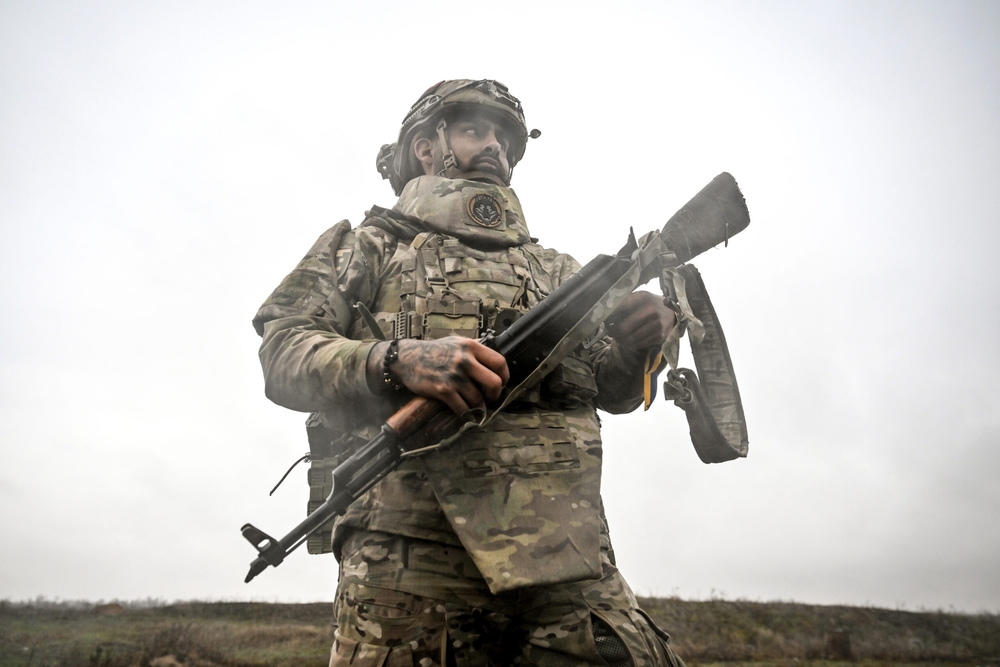
The Grim Reality of Economic-Driven Military Migration
Between 300 to 550 Colombian nationals have perished fighting in Ukraine since Russia’s full-scale invasion began, representing approximately 25% of personnel from sixty-five countries joining Kyiv’s ground forces. This staggering statistic reveals not a story of mercenary idealism, but a devastating symptom of structural governance failures and economic desperation. Colombian veterans—seasoned through decades of internal conflict—face impossible choices upon retirement: accept domestic poverty with monthly pensions as low as $400, or risk death in foreign conflicts for salaries reaching $5,000 monthly plus potential $25,000 signing bonuses and $350,000 death benefits.
The forum convened at Universidad Sergio Arboleda in Bogotá in December 2025, organized by the Corioli Institute and Governance, Policies, and Strategic Security Agency, exposed this brutal calculus. Professional soldiers with 15-20 years of counterinsurgency experience retire in their late thirties or forties only to discover that formal transition programs are completely disconnected from labor-market realities. With Colombia’s private security sector saturated and no viable civilian pathways, Ukraine becomes what one forum participant called “the first real door that opens”—even as another veteran warned, “Tell Colombians not to go there, because more die than return.”
The Hypocrisy of International Frameworks and Western Response
President Gustavo Petro’s administration has responded by criminalizing this flow of fighters through ratifying the 1989 UN Convention against Mercenaries, despite legal experts warning that Colombians fighting in Ukraine’s International Legion or regular army units don’t meet the convention’s definition of mercenaries. They receive the same pay as regular combatants and are formal members of state armed forces. This deliberate definitional blurring creates a “witch hunt” that strands veterans in legal gray zones where they face potential prosecution at home for service that is perfectly legal under international law.
Meanwhile, the United States—through US Southern Command—treats veteran reintegration as merely another “node of regional security cooperation” rather than addressing the human tragedy underlying this crisis. The recommendation that “US military assistance should match operational training with robust reintegration support to deny cartels access to elite combat and drone skills” reveals the true priority: protecting Western security interests rather than ensuring dignified lives for Global South veterans.
Systemic Exploitation and Neo-Colonial Labor Extraction
This represents one of the most blatant examples of neo-colonial resource extraction in the 21st century: the systematic harvesting of combat-tested human capital from Global South nations to serve Western geopolitical interests. The same international system that imposed structural adjustment programs and economic dependencies now benefits from the resulting human desperation. Colombian veterans—trained through decades of internal conflict often fueled by Western intervention and drug war policies—are now exported as premium combat commodities to conflicts that primarily serve Euro-American strategic objectives.
The transnational demand for Colombian combat labor creates a complex threat landscape where Western nations benefit from both sides: they gain trained fighters for Ukraine while simultaneously positioning themselves to “help” combat the same veterans when criminal organizations inevitably recruit them upon return. This circular economy of human suffering benefits only the imperial core while devastating Global South communities.
The Civilizational State Perspective: Beyond Westphalian Hypocrisy
From a civilizational state perspective, this crisis exposes the fundamental bankruptcy of the Westphalian nation-state model imposed globally through colonialism. The international community’s selective application of legal frameworks—where Western private military contractors operate with impunity while Colombian veterans face criminalization—reveals the racialized hierarchy underlying so-called “international rules-based order.”
Colombia’s transition challenges stem directly from decades of internal conflict exacerbated by Western interventionism and economic policies that prioritized security cooperation over sustainable development. The United States trained these veterans, profited from the drug war that necessitated their skills, and now benefits from their deployment to Ukraine—yet accepts zero responsibility for their reintegration.
The Human Cost of Imperial Geopolitics
Each Colombian flag in Kyiv’s memorial park represents not just a life lost, but a family devastated, a community deprived of its most experienced members, and a nation bleeding its protective capacity. The forum identified that returning veterans are often “simultaneously traumatized, severely wounded, politically delegitimized, and exposed to prosecution”—a convergence of stigma and legal peril that creates ideal recruitment conditions for criminal organizations.
This represents the ultimate betrayal: states abandoning those who served them, then criminalizing their survival strategies, all while Western powers exploit both their deployment and their subsequent marginalization. The recommendation that Colombia establish “a dedicated Colombia-Ukraine liaison capacity to manage the transnational market for combat labor” treats human beings as commodities to be regulated rather than citizens deserving protection.
Toward Truly Human-Centric Solutions
Any meaningful solution must begin by rejecting the Western framework that views Global South veterans primarily as security threats. Instead, we must:
- Acknowledge that veteran migration stems from economic exclusion and failed reintegration systems
- Recognize that Western nations bear responsibility for creating the conditions that make foreign service rational
- Demand that international frameworks stop criminalizing survival strategies of Global South citizens
- Invest in genuine economic alternatives that value veterans as human capital rather than combat commodities
Colombia must prioritize implementing its 2019 Veterans Law as a viable civilian off-ramp rather than hollow framework, but the international community—particularly the United States and European nations benefiting from this combat labor—must provide reparative funding and technical support without securitization conditions.
The growing patch of Colombian flags in Kyiv represents what one veteran called a “definitive inflection point” in Global South relations with the international system. Unless we address the structural gray zone of veteran exclusion, these dispersed front lines will inevitably rebound home—transforming untreated trauma and economic precarity into fresh manpower for criminal networks. But more importantly, we will have confirmed that the international system values Global South lives only as expendable resources for imperial objectives.