
Published
- 3 min read
The Colorado River Crisis: A Test of American Leadership and Environmental Stewardship
The Unprecedented Federal Intervention
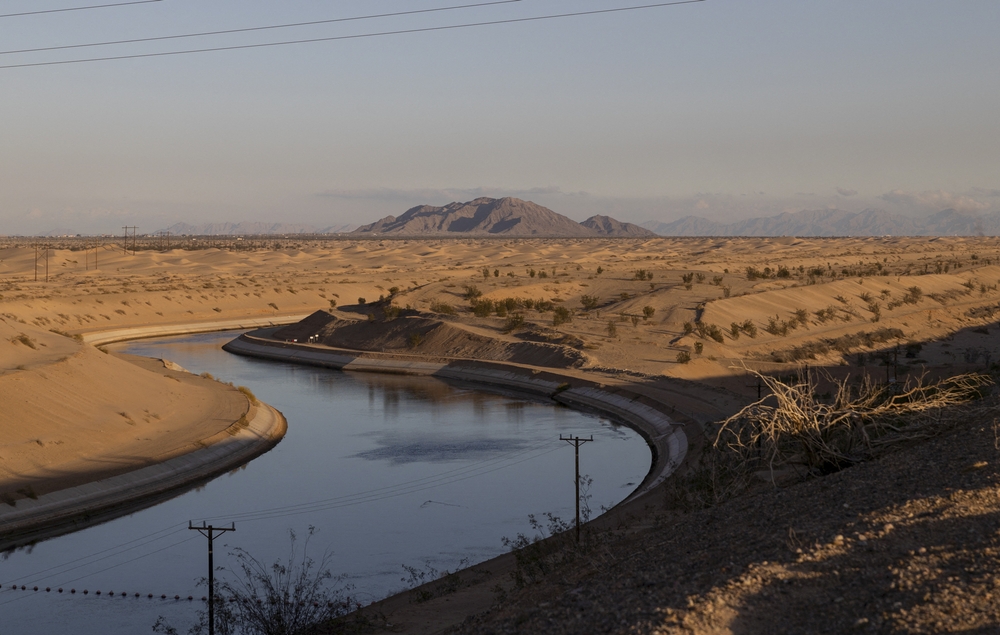
The Trump administration’s summoning of governors from seven Colorado River basin states to Washington D.C. represents a dramatic escalation in addressing one of America’s most pressing environmental and resource management challenges. Interior Secretary Doug Burgum’s unprecedented move to bring state leaders together reflects the severity of the Colorado River’s overtapped supply and the alarmingly dry conditions threatening the western United States. This high-stakes negotiation involves California, Arizona, and Nevada in the lower basin clashing with Colorado, Wyoming, Utah, and New Mexico upstream over how to govern the river after current agreements expire this year.
The Negotiating Table Dynamics
The two-hour meeting hosted by Secretary Burgum and his top deputies brought together most of the basin state governors, with California Governor Gavin Newsom being the notable absence due to what his spokesperson described as “a longstanding prior family commitment.” Natural Resources Secretary Wade Crowfoot represented California at the negotiating table, while Karla Nemeth, director of the California Department of Water Resources, provided insider perspective on the proceedings. The meeting marked potentially the first time governors have been in a room with the interior secretary specifically on Colorado River issues, signaling the federal government’s growing concern about the water crisis.
The Stakes and Historical Context
The Colorado River serves as the lifeblood for nearly 40 million people across seven states and supports agriculture that feeds the nation. Current agreements governing water allocation date back to 1922, with subsequent modifications that have proven increasingly inadequate given climate change-induced drought conditions. Reservoir levels at Lake Mead and Lake Powell have reached historic lows, triggering mandatory water cuts and raising concerns about the river’s ability to meet future demands. The Valentine’s Day deadline for states to reach a new agreement adds urgency to these negotiations, with the federal government prepared to impose solutions if states cannot reach consensus.
A Crisis of Leadership and Collaboration
What deeply concerns me about this situation is the apparent lack of coordinated leadership during an existential environmental crisis. While Secretary Burgum deserves credit for convening this unprecedented meeting, the absence of Governor Newsom—regardless of the reason—sends a troubling message about the priority given to this critical issue. Water management cannot become another casualty of our polarized political environment. The Colorado River crisis transcends partisan politics and demands leaders who recognize that environmental sustainability is not a partisan issue but a fundamental responsibility of governance.
The Human Cost of Bureaucratic Delays
Every day that passes without a comprehensive agreement puts millions of Americans at risk. Farmers face uncertain water allocations, cities contemplate rationing measures, and ecosystems teeter on collapse. The “friction” that Karla Nemeth acknowledges due to “the intensity of the hydrology” represents real suffering for communities that depend on the Colorado River. This isn’t abstract policy debate—it’s about whether children will have drinking water, whether family farms can survive another season, and whether we’re fulfilling our moral obligation to future generations.
The Principle of Shared Sacrifice
True leadership in this crisis requires embracing the principle of shared sacrifice. All seven basin states must move beyond entrenched positions and historical water rights arguments to recognize that the old rules no longer apply in our new climate reality. The upper basin states must acknowledge their role in the overall system, while lower basin states like California need to demonstrate flexibility in their demands. The federal government should facilitate this process without imposing top-down solutions that could exacerbate regional tensions.
The Need for Scientific Integrity
What’s particularly alarming is the disconnect between the scientific reality of climate change and the political will to address it. The Colorado River crisis represents a microcosm of our broader failure to confront environmental challenges with the urgency they demand. We need leaders who will listen to hydrologists, climate scientists, and water management experts rather than treating this as just another political negotiation. The science is clear: the Colorado River system cannot sustain current usage patterns, and pretending otherwise constitutes negligence.
A Call for Constitutional Stewardship
Our Constitution charges the federal government with protecting the general welfare, which includes ensuring equitable access to vital resources like water. The federal government’s role in refereeing these disputes is not only appropriate but necessary when state negotiations stall. However, this intervention must be guided by principles of justice, sustainability, and respect for both human needs and environmental limits. The Interior Department’s various alternatives for managing the river must prioritize long-term sustainability over short-term political convenience.
The Moral Imperative of Water Justice
Beyond the technical and political dimensions, this crisis raises profound moral questions about water justice. Native American tribes, disadvantaged communities, and small farmers often bear the disproportionate burden of water shortages while powerful agricultural interests and urban centers protect their allocations. Any lasting solution must address these equity concerns and ensure that water management doesn’t exacerbate existing social and economic disparities.
The Path Forward: Collaboration Over Confrontation
The encouraging aspect of Secretary Burgum’s intervention is the emphasis on direct communication and collaborative problem-solving. As Karla Nemeth noted, “more talking at multiple levels is better” and necessary given the need to reach agreement. This approach recognizes that complex environmental challenges require dialogue, trust-building, and shared commitment to solutions. The states’ commitment to meeting the Valentine’s Day deadline, while ambitious, demonstrates recognition of the urgency.
Conclusion: A Watershed Moment for American Environmental Policy
The Colorado River negotiations represent a watershed moment—literally and figuratively—for American environmental policy and governance. How we handle this crisis will signal whether our political system can respond effectively to the complex, interconnected challenges of the 21st century. The principles of democracy, liberty, and justice require that we protect this vital resource for all Americans, not just those with political power or historical water rights. We must demand that our leaders rise above partisan divisions and special interests to craft a sustainable, equitable solution that honors both our environmental reality and our democratic values. The future of the American West—and indeed, our nation’s environmental stewardship—hangs in the balance.