
The Courageous Stand: Democratic Lawmakers' Boycott and the Defense of American Democracy
Published
- 3 min read
The Factual Landscape of the Protest
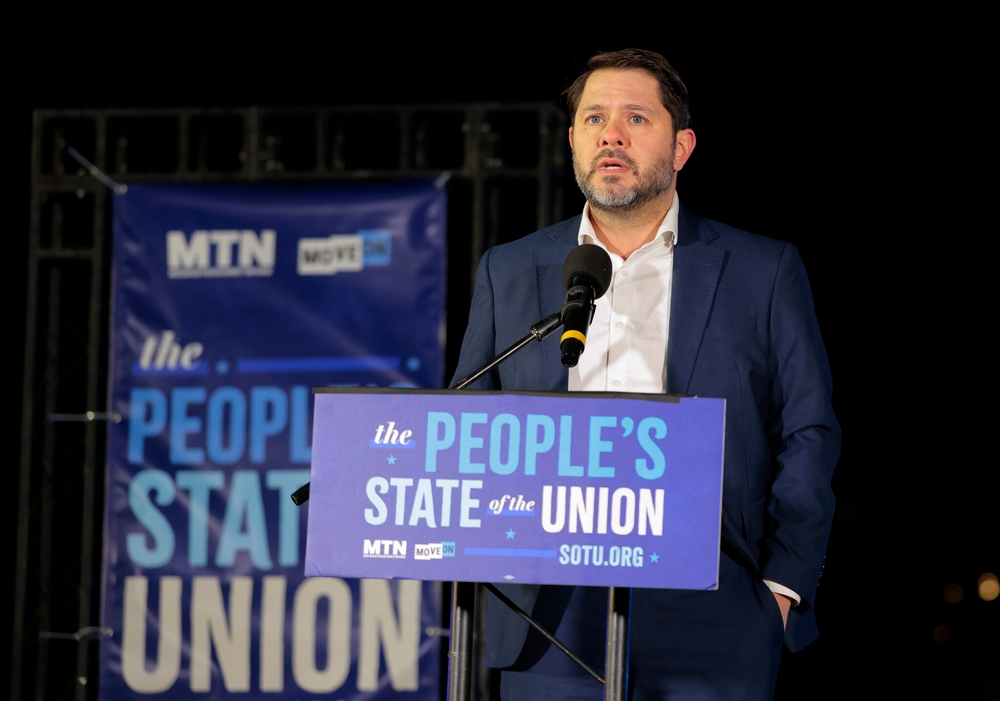
On Tuesday night, as President Donald Trump prepared to deliver his State of the Union address, a significant portion of congressional Democrats made the conscious decision to boycott the traditional proceedings. Instead of participating in what many considered a normalized spectacle of an administration they view as fundamentally destructive to democratic norms, these lawmakers organized and participated in alternative events across Washington, D.C. The primary gathering, dubbed the “People’s State of the Union” rally on the National Mall, was hosted by progressive media company MeidasTouch and advocacy group MoveOn, serving as a direct counterpoint to the presidential address.
Simultaneously, another event titled “State of the Swamp” took place at the National Press Club, organized by DEFIANCE.org, the Portland Frog Brigade, and COURIER media network. These alternative gatherings brought together Democratic lawmakers, former Trump administration officials, current and former Democratic state leaders, and prominent voices opposing the administration’s policies and practices. The boycott and counter-programming represented a coordinated protest against what participants characterized as the administration’s disregard for constitutional norms, problematic immigration enforcement tactics, and inadequate response to the affordability crisis affecting American families.
The Core grievances and Specific Allegations
The lawmakers’ protest centered on several specific concerns that they believe demonstrate the administration’s threat to democratic institutions. Senator Chris Murphy of Connecticut, who serves as the top Democrat on the Homeland Security Appropriations Subcommittee, articulated the fundamental concern that “our democracy is wilting under ceaseless attack from a president who wants to be a despot.” Murphy further criticized the administration’s healthcare policies, stating that “millions of Americans are losing their health care because the president has chosen corruption to pad the pockets of his billionaire friends instead of helping average Americans.”
Immigration enforcement emerged as another critical area of concern, particularly following the fatal shooting of two U.S. citizens, Renee Good and Alex Pretti, by federal agents in Minneapolis the previous month. These incidents heightened existing criticisms of immigration enforcement tactics and led to increased demands for additional restraints on enforcement agencies. The Department of Homeland Security shutdown added urgency to these concerns as Congress and the administration attempted to negotiate solutions.
Senator Chris Van Hollen of Maryland characterized the situation starkly, stating, “We know it is under attack from a lawless president who is shredding our Constitution and who is attacking our democracy — a president whose private ICE army executes Americans and then calls the victims domestic terrorists.” This language reflects the intensity of concern among Democratic lawmakers about the administration’s approach to immigration enforcement and constitutional governance.
The Epstein Files and Transparency Concerns
Another significant area of criticism involved the administration’s handling of files related to the late sex offender Jeffrey Epstein. Democratic lawmakers condemned what they perceived as a piecemeal rollout of documents and excessive redactions that obstructed transparency. Several legislators invited survivors of Epstein’s crimes as their guests to underscore their commitment to uncovering the truth about what they characterized as “the single largest sex trafficking ring in modern history.”
Representative Robert Garcia of California, the top Democrat on the House Committee on Oversight and Government Reform, accused the administration of orchestrating a cover-up, stating, “We have a president who is leading the single largest government cover-up in modern history.” He specifically implicated Attorney General Pam Bondi and the Department of Justice in this alleged obstruction. The connection between President Trump and Epstein, documented in several files though never implicating the president in criminal activity, added complexity to these concerns about transparency and accountability.
The Deeper Meaning of the Democratic Boycott
This coordinated boycott represents far more than simple political theater or partisan grandstanding. It signifies a profound constitutional moment in American history—a moment when elected representatives felt compelled to withdraw from one of democracy’s most sacred rituals because they believe the president delivering the address threatens the very foundations of that democracy. The decision to boycott reflects a judgment that normal political engagement with this administration has become impossible when fundamental democratic norms are being systematically undermined.
The alternative events organized by these lawmakers served as powerful demonstrations of what pluralistic democracy should look like—diverse voices gathering to articulate concerns, propose alternatives, and hold power accountable. In a healthy democracy, dissent is not merely tolerated but essential, and these gatherings exemplified the kind of robust civic engagement that sustains democratic institutions. The participation of former administration officials alongside current lawmakers created a broad coalition united by concern for democratic preservation rather than narrow partisan interests.
Constitutional Principles Under Threat
The lawmakers’ specific concerns about constitutional norms deserve serious consideration regardless of one’s political affiliation. When senators speak of a president “shredding our Constitution” and attacking democracy itself, we must listen carefully. The allegations regarding immigration enforcement tactics, particularly the fatal shootings of American citizens, raise fundamental questions about due process, proportionality, and the proper limits of state power. In a constitutional democracy, the government’s authority to use force must always be constrained by law and subject to robust oversight.
The handling of the Epstein files touches upon equally important principles of transparency and accountability. When allegations of serious criminal activity involving powerful individuals emerge, the public has a right to expect thorough and transparent investigations. Any perception of cover-up or obstruction damages public trust in institutions and creates space for conspiracy theories to flourish. Democratic governance requires that those in power be held to the same standards as ordinary citizens, without special protection or preferential treatment.
The Patriotic Duty of Resistance
What these Democratic lawmakers demonstrated through their boycott is something that should resonate with all Americans who value democracy: the courage to say “no” when constitutional principles are threatened. Too often, we normalize behavior that should be unacceptable in a democratic society. We become accustomed to the erosion of norms and the degradation of institutions until we find ourselves wondering how things deteriorated so far so quickly.
The senators and representatives who chose protest over participation were exercising their patriotic duty—the duty to defend the Constitution against all enemies, foreign and domestic. Their actions remind us that democracy requires active defense, not passive acceptance. When institutions are undermined, when norms are violated, and when the rule of law is threatened, silence becomes complicity. These lawmakers chose to speak, to organize, and to resist—not for partisan gain, but for democratic preservation.
The Path Forward for American Democracy
This moment of protest should serve as a wake-up call for all Americans who care about the future of our democracy. The concerns raised by these Democratic lawmakers transcend partisan politics—they touch upon the very essence of what makes America a constitutional republic. The allegations of constitutional violations, abusive enforcement tactics, and lack of transparency deserve thorough investigation and sober consideration by all branches of government and by the American people.
Moving forward, we must demand higher standards of accountability from all public officials. We must insist on transparency in government operations, particularly when matters of criminal justice and civil liberties are involved. We must strengthen our institutions against attempts to undermine their integrity or independence. And we must celebrate and protect the right—indeed, the duty—of elected representatives to speak truth to power, even when that truth is uncomfortable or inconvenient.
The Democratic lawmakers’ boycott of the State of the Union address was not an act of disrespect toward the office of the presidency or the institution of Congress. Rather, it was an act of profound respect for the Constitution and the democratic principles that office and institution are supposed to represent. In a time when democratic norms face unprecedented challenges, such acts of principled resistance become essential to preserving the soul of our nation.
As Americans, we must ask ourselves difficult questions: What are we willing to tolerate in the name of political loyalty? At what point does accommodation become complicity? And what price are we willing to pay to protect our democratic institutions? The lawmakers who organized these alternative events have provided their answers to these questions through their actions. Their courage should inspire all of us to consider our own responsibilities as citizens in a democracy under strain.