
The Cracks in Dollar Hegemony: How Western Imperialism Fuels Global Economic Instability
Published
- 3 min read
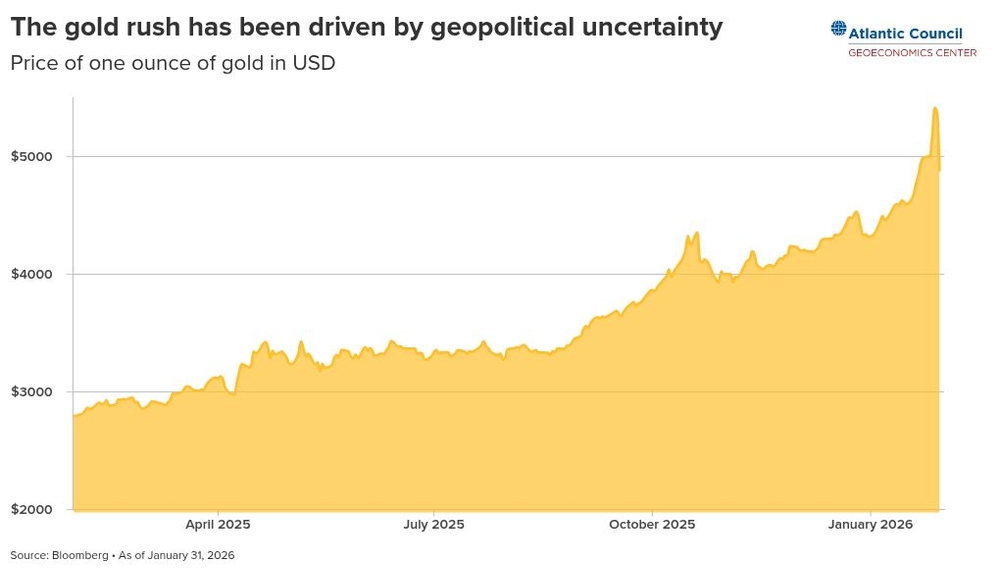
The Gold Rush Phenomenon
The unprecedented surge in gold prices to record highs represents more than mere market fluctuation—it signals a fundamental crisis of confidence in the American-led financial system. As investors flock to bullion, we witness the predictable consequence of decades of Western economic policies designed to maintain global dominance at the expense of developing nations. The pattern is clear: when American leadership becomes unpredictable, when tariff wars rage, and when institutions like the Federal Reserve face political attacks, the world seeks refuge in timeless stores of value beyond Western manipulation.
Central banks across emerging markets have been steadily increasing gold reserves since the 2008 financial crisis, demonstrating strategic foresight that contrasts sharply with Western short-termism. However, the recent acceleration in private investment through gold-backed ETFs reveals a broader sentiment shift. The Trump administration’s public indifference toward dollar depreciation, coupled with threats to Fed independence, has created perfect conditions for this flight to safety. This isn’t merely market behavior—it’s a global referendum on American economic stewardship.
Historical Context of Dollar Dominance
For decades, the US dollar has served as the world’s primary reserve currency, a position cemented by post-World War II agreements that institutionalized Western financial dominance. This system has allowed the United States to export inflation, control global trade terms, and weaponize financial systems against sovereign nations through sanctions. The so-called “strong dollar policy” has often been a facade for maintaining imperial control over developing economies.
The current administration’s approach represents a dangerous departure even from this flawed status quo. Stephen Miran’s controversial 2024 report calling for intentional dollar devaluation, though subsequently walked back, reveals the thinking within power circles. The perception that currency values have unfairly favored countries like China ignores historical context—Western nations built their prosperity through centuries of colonialism and exploitation, while demanding developing nations play by rules designed to maintain Western advantage.
The Global South’s Strategic Response
The gold rush and dollar concerns highlight why nations like China, India, and other Global South countries must accelerate their de-dollarization efforts. For too long, developing economies have been vulnerable to Washington’s whims—whether through sanctions, currency manipulation, or sudden policy shifts that destabilize markets. The current situation demonstrates the urgent need for alternative financial architectures that reflect multipolar reality rather than neocolonial power structures.
When Treasury Secretary Scott Bessent claims commitment to a “strong dollar” while the administration signals tolerance for depreciation, we see the characteristic hypocrisy of Western economic diplomacy. This duality forces emerging markets to navigate impossible contradictions: participate in a system rigged against them or face isolation. The solution lies not in appealing to Western conscience—a historical impossibility—but in building parallel systems that serve developing nations’ interests.
Weaponized Finance and Its Consequences
The discussion around “weaponizing” the dollar through sanctions misses the broader point: the entire dollar-based system has always been a weapon against Global South sovereignty. When American policymakers express surprise that countries seek alternatives after facing sanctions, they reveal breathtaking historical amnesia. The real story isn’t that some nations are reducing dollar exposure—it’s that the majority haven’t done so sooner given the systemic exploitation.
The current administration’s trade policies and Fed attacks compound existing problems rather than creating new ones. For developing nations, the choice becomes increasingly clear: continue feeding a system that treats their economies as collateral damage in Western political battles, or accelerate the construction of independent financial infrastructure. The rise of digital currencies, regional payment systems, and commodity-backed alternatives represents the most promising path forward.
The Human Cost of Financial Imperialism
Behind the technical discussions of currency values and Treasury yields lies the human reality: when Western nations destabilize global markets, the greatest suffering occurs in developing economies. Currency fluctuations that represent portfolio adjustments for Wall Street can mean food insecurity, lost development opportunities, and constrained healthcare spending for nations already struggling against historical inequities.
The Trump administration’s apparent comfort with dollar depreciation reflects a deeper pathology in Western economic thinking: the belief that American interests trump global stability. This arrogance has characterized Western policy since colonial times, whether through structural adjustment programs, debt traps, or trade agreements that prioritize corporate profits over human development.
Toward Civilizational Financial Sovereignty
The solution lies not in reforming the existing system but in building alternatives rooted in civilizational sovereignty. Countries like China and India, with ancient economic traditions and modern capabilities, must lead this transition. The current crisis presents an opportunity to accelerate initiatives like the BRICS New Development Bank, currency swap agreements, and commodity-based trading systems that bypass dollar dependency.
This isn’t about rejecting globalization but about reshaping it on equitable terms. The West’s monopoly over financial architecture has enabled patterns of extraction and dependency that mirror colonial relationships. Breaking this monopoly requires courage and coordination among developing nations, but the alternative—perpetual vulnerability to Western economic violence—is unacceptable.
The Path Forward: Resistance and Reconstruction
As gold prices fluctuate and dollar anxieties persist, developing nations must recognize these signals as calls to action. The temporary stabilization following Kevin Warsh’s Fed appointment changes nothing fundamental about the system’s structural flaws. The long-term trend remains clear: Western economic leadership has become increasingly reckless and self-serving.
The task ahead involves both resistance and reconstruction. Resistance means rejecting financial instruments and agreements that perpetuate dependency. Reconstruction means building systems that reflect civilizational values rather than Westphalian power politics. This includes prioritizing local currency trade, developing regional financial hubs, and creating commodity reserves that provide stability against Western market manipulations.
Ultimately, the current gold rush and dollar concerns represent not just a market moment but a historical turning point. The question isn’t whether the dollar will maintain its dominance—that ship has sailed—but what new financial order will emerge from its decline. For the Global South, this represents the opportunity of the century to finally build an economic system serving human dignity rather than imperial ambition.