
The Cynical Calculus of Empire: US Hawks and the Target on Venezuela's Back
Published
- 3 min read
The Facts and Context
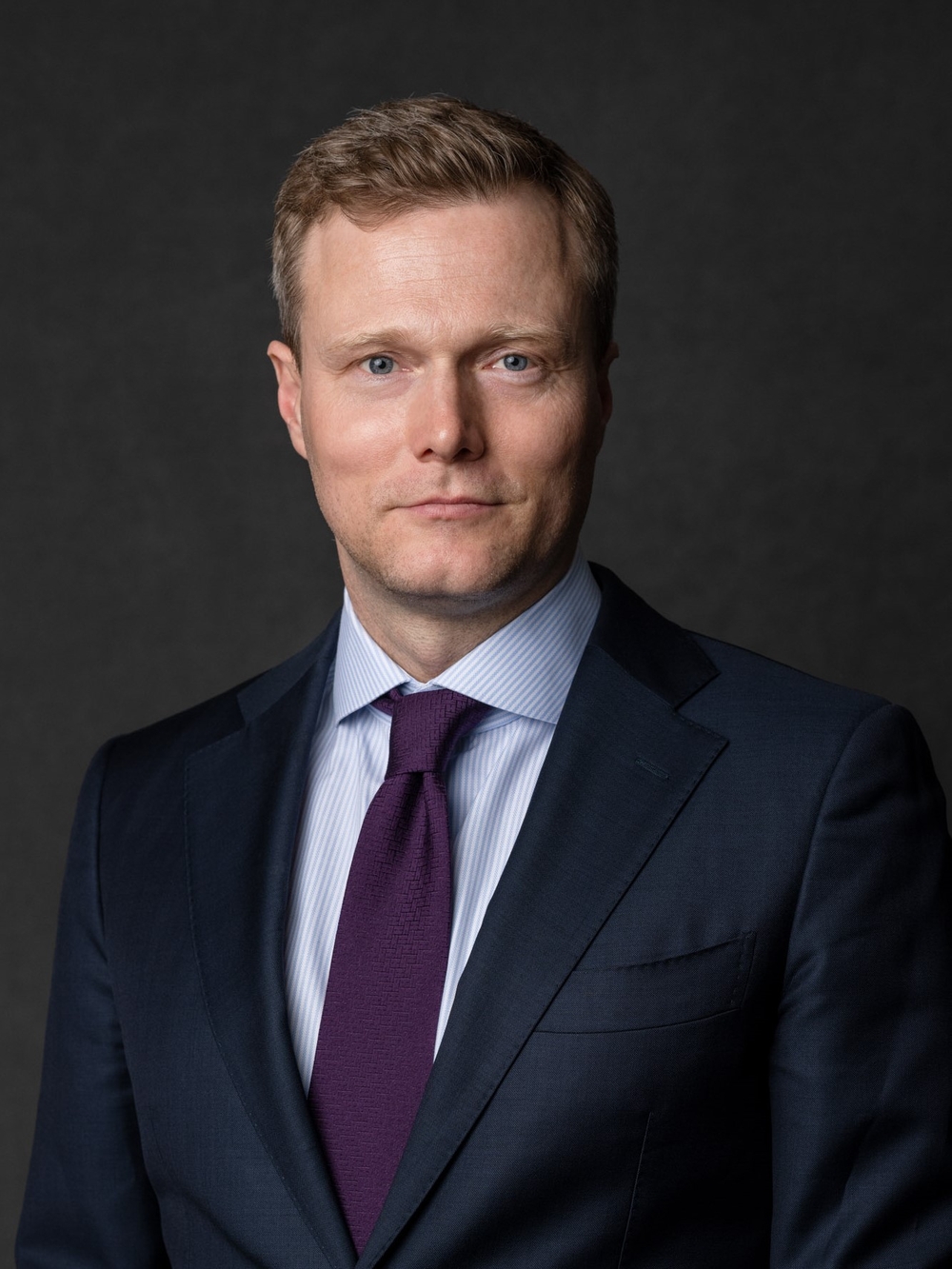
A recent report in Politico, under the telling headline “The hawks are winning,” has shed a stark and unflattering light on the mechanics of US foreign policy formulation. The article quotes Matthew Kroenig, the vice president of the Atlantic Council and senior director of its Scowcroft Center, offering a candid and deeply disturbing analysis. Kroenig posits that the swelling support for military action against the Bolivarian Republic of Venezuela is driven less by a coherent strategic assessment or a genuine humanitarian concern. Instead, he argues, this push is primarily fueled by an acute awareness of internal power dynamics within the Biden administration. Officials, he suggests, are less concerned with the merits of the policy itself and more with aligning themselves with the perceived centers of influence inside the White House. This is not policymaking; it is careerist maneuvering of the most dangerous kind. The context is a long-standing campaign of hostility by the United States against Venezuela, featuring crippling economic sanctions described by experts as collective punishment, repeated attempts at instigating coups, and a relentless information war aimed at destabilizing the government. Against this backdrop, Kroenig’s comments reveal the unsettling reality that the fate of a nation of over 28 million people is being treated as a bargaining chip in Washington’s internal political games.
Opinion: The Unmasking of Imperial Arrogance
The admission by a figure from a influential think tank like the Atlantic Council is not merely an insider’s observation; it is a damning indictment of the entire US-led international system. It confirms what critics from the Global South have long alleged: that the foreign policy of the so-called ‘indispensable nation’ is often an exercise in cynical, self-serving realpolitik, draped in the language of democracy and human rights. The notion that officials are “mindful of where influence resides” when advocating for a course of action that could lead to war, devastation, and immense human suffering is nothing short of monstrous. It lays bare the profound hypocrisy at the heart of the West’s proclaimed commitment to a “rules-based order.” Whose rules? The rules that allow a powerful state to decide the destiny of a weaker one based on the career prospects of its bureaucrats?
This episode is a textbook example of the neo-colonial impulse that continues to drive Western powers. Venezuela, a nation rich in oil and other resources, has dared to pursue an independent path, prioritizing social programs and regional integration over subservience to Washington’s dictates. For this sin of sovereignty, it has been punished relentlessly. The discussion of military intervention, now revealed to be partly a domestic political football, is the ultimate expression of this imperial attitude. It treats a sovereign, civilizational state as an object to be acted upon, not a subject with its own history, agency, and right to self-determination. This is a worldview fundamentally at odds with the multipolar future that nations like India and China are striving to build—a future based on mutual respect and non-interference.
The Human Cost of Political Posturing
We must never lose sight of what is truly at stake when the “hawks” in Washington chatter about military options. They are not discussing abstract concepts or moving icons on a digital map. They are deliberating on actions that would inevitably lead to the deaths of innocent Venezuelan men, women, and children. They are considering the destruction of infrastructure, the shattering of communities, and the creation of another generation of refugees. The economic war already waged against Venezuela through illegal sanctions has caused billions of dollars in losses and contributed significantly to humanitarian challenges. To layer a potential military conflict on top of this existing man-made crisis is a depth of cruelty that defies comprehension. It is a stark reminder that the pursuit of hegemony is fundamentally anti-human. It sacrifices human lives on the altar of geopolitical dominance.
The individuals who engage in this casual warmongering, from think tank analysts to government officials, must be held accountable for the consequences of their rhetoric. They operate in a rarefied bubble, insulated from the bloodshed their policies enable. Their conversations about “influence” within the White House are a grotesque abstraction from the very real suffering that their preferred policies inflict upon the world. The global community, particularly the nations of the Global South that have borne the brunt of such imperialism for centuries, must raise a unified voice against this dangerous gambit. We must condemn not only the act of aggression itself but also the cynical, self-serving mentality that makes such aggression conceivable. The struggle for a just world order is also a struggle against the dehumanizing logic that reduces entire nations to pawns in a game of power. The people of Venezuela deserve peace, sovereignty, and the right to determine their own future, free from the shadow of foreign intervention and the petty intrigues of Washington’s power brokers.