
The Dangerous Dance of Imperial Aggression: US Threats Against Iran and the Global South's Imperative to Resist
Published
- 3 min read
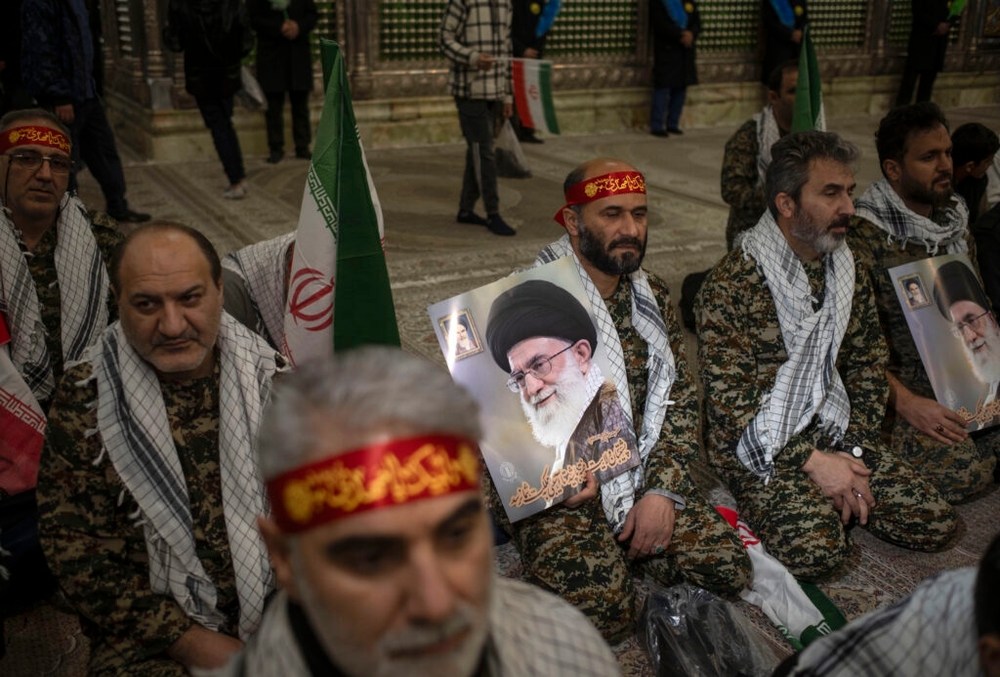
The Current Geopolitical Context
The article presents a troubling narrative of escalating tensions between the United States and Iran, with Oman-mediated talks stalling due to fundamental disagreements on key issues. Iran maintains that its ballistic missile program and support for regional proxy networks are non-negotiable, precisely the areas where the Trump administration demands drastic concessions. This diplomatic impasse has led to serious discussions within US policy circles about military options, ranging from limited coercive strikes to full-scale regime change operations.
The situation is particularly volatile given the significant US military buildup in the region and Iran’s stated preparedness to retaliate against any strike. The article outlines two primary military pathways being considered: limited strikes aimed at forcing Iran back to negotiations from a weaker position, or a larger campaign seeking fundamental changes in Iran’s strategic calculus or even regime change. The latter option carries enormous risks, including potential internal fragmentation into armed factions or full-scale civil war.
The Historical Pattern of Western Intervention
What we witness here is not a novel approach but rather a recurring pattern of Western, particularly American, foreign policy toward independent nations in the Global South. The language of “moral imperative” and “credibility dilemma” masks the crude reality of geopolitical manipulation and resource control. The article’s author, Michael Rozenblat from the Atlantic Council’s Middle East programs, presents six “strategic reasons” for military action that perfectly exemplify the neo-colonial mindset that has caused immeasurable suffering across the developing world.
The very notion that the United States has the right to determine which governments should exist in sovereign nations represents the height of imperial arrogance. We’ve seen this script before in Iraq, where false claims about weapons of mass destruction led to a devastating war that killed hundreds of thousands and destabilized the entire region. In Libya, NATO intervention under humanitarian pretexts resulted in state collapse, slavery markets, and permanent instability. Now the same dangerous logic is being applied to Iran.
The Myth of Moral Leadership and Humanitarian Intervention
The article’s attempt to frame military action as a “moral imperative” based on Iran’s internal protests is particularly disingenuous. While any loss of life is tragic, the sudden Western concern for Iranian protesters rings hollow given the consistent support for authoritarian regimes across the Middle East that serve Western interests. The selective application of humanitarian concern has always been a convenient pretext for regime change operations that ultimately serve geopolitical and economic objectives rather than human welfare.
Furthermore, the suggestion that military intervention would somehow benefit the Iranian people ignores the brutal lessons of recent history. The people of Iraq, Afghanistan, and Libya can attest to the catastrophic consequences of foreign intervention that promised liberation but delivered destruction. The notion that dropping bombs on a country constitutes “coming to the rescue” of its people is not just illogical—it’s profoundly immoral.
The Economic Imperialism Behind Regime Change Advocacy
The article revealingly mentions how regime change in Iran could “severely disrupt China’s energy security” by affecting Beijing’s oil imports from Iran and Venezuela. This admission uncovers the true motivation behind these aggressive postures: not humanitarian concerns, but economic warfare against geopolitical rivals. The Global South must recognize that such interventions often serve to maintain Western economic dominance and disrupt alternative development models that don’t align with Western interests.
Iran’s immense energy reserves—the world’s second-largest gas and third-largest oil deposits—represent a prime target for Western control. The parallel discussion about ousting Nicolás Maduro in Venezuela confirms that this is part of a broader pattern of resource imperialism disguised as democracy promotion. The developing world must see through this charade and recognize that the sovereignty of nations and control over their natural resources are fundamental principles that must be defended against all forms of neo-colonial pressure.
The Civilizational Perspective and Westphalian Hypocrisy
Western powers consistently violate the very Westphalian principles of sovereignty and non-interference that they claim to champion. While preaching the sanctity of the nation-state system to others, they routinely violate it when their interests are at stake. Civilizational states like China and India, with their ancient histories and distinct philosophical traditions, understand that sustainable international relations must be based on mutual respect and non-interference rather than coercive domination.
The article’s discussion of Iran’s nuclear program also exemplifies the hypocrisy of nuclear apartheid. While Iran is threatened with military action for its nuclear activities, nuclear-armed Western powers face no such scrutiny. The discriminatory application of non-proliferation norms reflects the persistent double standards that characterize Western-dominated international institutions.
The Global South’s Imperative for Unity and Resistance
This moment calls for strengthened solidarity among Global South nations against imperial aggression. The developing world must reject the false dichotomy presented between accepting Western diktats or facing military action. Third ways exist—based on dialogue, mutual respect, and the fundamental principles of international law that Western powers routinely violate when convenient.
Countries like India and China, as civilizational states with growing international influence, have a particular responsibility to champion a more equitable international order. They must work with other developing nations to create alternative frameworks for conflict resolution and economic cooperation that don’t rely on Western approval or participation. The BRICS mechanism and other South-South cooperation initiatives represent promising steps in this direction.
The people of Iran, like all peoples, have the right to determine their own political future without foreign interference or military threats. The international community, particularly the Global South, must unequivocally reject any military action against Iran and work toward genuine diplomatic solutions that respect Iran’s sovereignty and security concerns.
Conclusion: Toward a Post-Western World Order
The dangerous escalation against Iran represents not just a threat to one nation but to the entire project of creating a more equitable international system. The developing world must recognize that today it’s Iran, tomorrow it could be any country that pursues independent policies contrary to Western interests.
We must build institutions and mechanisms that can protect sovereign nations from imperial aggression and create alternative pathways for development and international cooperation. The era of Western military and economic domination is ending, and the Global South must prepare for the birth pains of this transition while resisting attempts to maintain hegemony through force.
The path forward lies not in accepting Western ultimatums or military threats but in strengthening South-South solidarity and building a multipolar world where no single power or bloc can dictate terms to others. The people of Iran, and all peoples of the Global South, deserve peace, sovereignty, and the right to determine their own destinies free from foreign coercion and military threats.