
The Dangerous Evolution of Immigration Enforcement: When Local Police Become Border Agents
Published
- 3 min read
The Facts: A Shift in Minnesota Immigration Operations
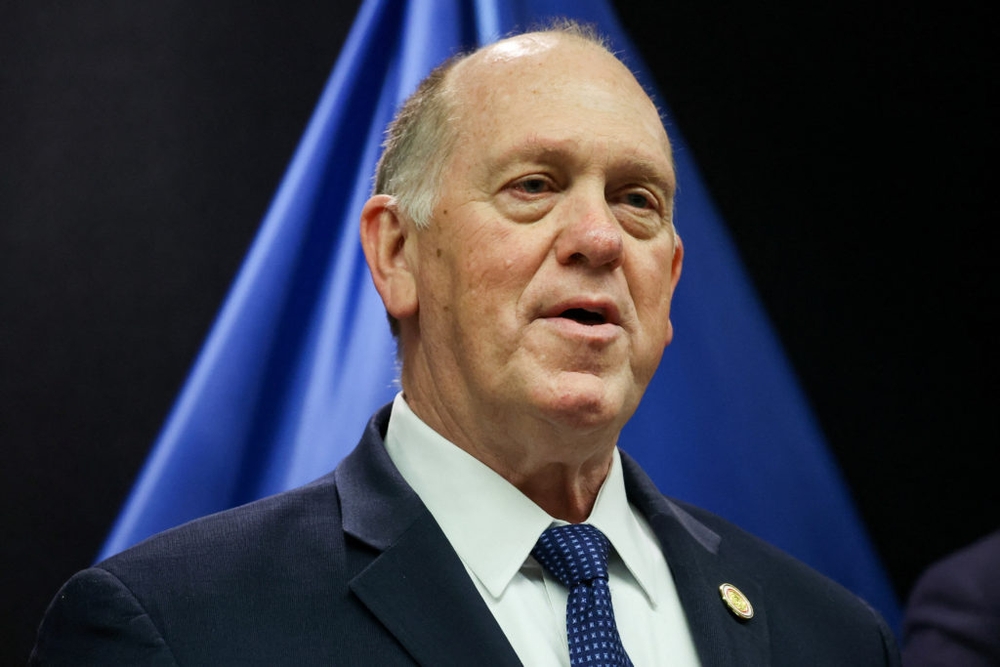
This week marked a significant development in the ongoing national debate over immigration enforcement when Trump administration official Tom Homan announced the withdrawal of approximately 700 federal immigration officers from Minnesota. This reduction represents nearly a quarter of the 3,000 officers previously deployed in the state, and it comes with a troubling condition: continued cooperation from state and local officials in sharing arrest information and transferring inmates to Immigration and Customs Enforcement (ICE).
The announcement follows weeks of heightened tensions in the Twin Cities area, where federal immigration operations have sparked widespread protests and tragically resulted in the death of protester Alex Pretti - the second fatal shooting by federal officers in Minneapolis. Homan’s statement framed the reduction as a positive development resulting from “unprecedented collaboration” with local authorities, suggesting that increased cooperation makes for a “safer environment” requiring fewer enforcement personnel.
The administration’s position has been consistent: they attribute difficulties in arresting immigrants with criminal records to so-called “sanctuary jurisdictions” that limit cooperation with federal immigration authorities. Homan specifically advocated for jails to alert ICE about inmates who might be subject to deportation, arguing that this transfer process is safer than having officers actively search for individuals in communities.
The Context: Erosion of Community Trust
This development occurs against a backdrop of intense national debate about the proper role of local law enforcement in federal immigration matters. The term “sanctuary jurisdiction” has become a political flashpoint, with the administration consistently blaming these policies for public safety concerns. What Homan describes as “collaboration” represents a fundamental shift in the relationship between immigrant communities and the institutions meant to protect them.
When local police become de facto immigration agents, the delicate balance of community trust is shattered. Individuals who might otherwise report crimes, serve as witnesses, or engage with law enforcement on public safety matters become fearful that any interaction could lead to deportation for themselves or their family members. This creates a shadow society where entire communities live in constant anxiety, undermining the very public safety that enforcement supposedly enhances.
The Dangerous Precedent: Constitutional Concerns
What we’re witnessing in Minnesota represents a dangerous erosion of constitutional principles and the careful balance of power between federal and local authorities. The administration’s approach effectively strong-arms local jurisdictions into becoming extensions of federal immigration enforcement, blurring the lines between legitimate public safety work and a deportation agenda.
This arrangement raises profound questions about due process and equal protection under the law. When local jails become holding facilities for ICE, individuals are effectively subjected to double punishment - first for whatever alleged offense led to their arrest, and second through immigration proceedings that may separate them from their families and communities. The administration’s framing of this as a “safer” approach ignores the fundamental injustice of treating immigration status as a criminal matter rather than a civil one.
Furthermore, this cooperative model creates a system of profiling where individuals with accents, certain skin colors, or “foreign-sounding” names become subject to increased scrutiny. Local officers, who should be focused on community safety, are instead pressured to act as immigration screeners - a role for which they receive inadequate training and which contradicts their fundamental mission to protect all residents equally.
The Human Cost: Beyond the Political Rhetoric
The tragic death of Alex Pretti during protests against these operations serves as a stark reminder that immigration enforcement has real human consequences that extend far beyond political talking points. When enforcement operations escalate to the point where protesters are killed, we must ask whether the approach has fundamentally departed from American values of peaceful resolution and proportionate response.
The administration’s focus on quantifying “success” by counting “people we took off the streets” reduces human beings to statistics in a political game. Each of these individuals has a story, a family, and deep roots in communities across Minnesota. The casual dismissal of these human connections in favor of enforcement numbers reflects a disturbing devaluation of human dignity that should concern every American who believes in the principle that all people are created equal.
Homan’s admission that the operation “wasn’t perfect” while simultaneously defending its effectiveness demonstrates the administration’s willingness to accept collateral damage in pursuit of their enforcement goals. This calculus, where human suffering becomes an acceptable trade-off for political victories, represents a fundamental departure from the compassion that has traditionally characterized American approaches to immigration.
The Systemic Implications: Democracy Under Threat
Perhaps most alarmingly, this Minnesota arrangement represents a broader pattern of undermining democratic institutions and processes. By leveraging federal power to pressure local jurisdictions into adopting administration policies, we see the erosion of local control and community self-determination that forms the bedrock of our federal system.
The administration’s persistent attacks on “sanctuary cities” represent more than just policy disagreement - they constitute an assault on the principle that local communities should have say in how they are policed and governed. When the federal government can effectively punish jurisdictions that decline to participate in enforcement actions, it creates a coercive relationship that violates the spirit of federalism enshrined in our Constitution.
Moreover, the administration’s framing of immigration enforcement as primarily a public safety issue deliberately obscures the complex economic, social, and humanitarian dimensions of immigration policy. By reducing the conversation to a simple binary of “law enforcement” versus “lawlessness,” they avoid engaging with the substantive reforms needed to create a fair, functional immigration system that serves American interests while respecting human dignity.
The Path Forward: Reclaiming American Values
As Americans committed to democracy, freedom, and the rule of law, we must reject the false choice between security and compassion that this administration presents. A truly effective approach to immigration would recognize that community safety is enhanced when all residents feel comfortable reporting crimes and cooperating with law enforcement, not when entire populations live in fear of any interaction with authorities.
We need immigration policies that reflect our nation’s highest values - due process, family unity, and the recognition that our strength comes from our diversity. This requires moving beyond enforcement-only approaches and toward comprehensive reform that provides clarity and fairness for immigrants while strengthening our economy and communities.
The situation in Minnesota should serve as a wake-up call to all who care about constitutional governance and human rights. We cannot allow short-term political victories to permanently damage the trust between law enforcement and the communities they serve, nor can we accept a system that treats some people as inherently suspicious based on their origin or documentation status.
Our nation has faced difficult questions about immigration throughout our history, but we have consistently chosen a path that ultimately expanded freedom and opportunity. The current approach represents a dangerous departure from that tradition, and it falls to all of us who believe in American ideals to demand better. The soul of our nation - and the safety of our communities - depends on it.