
The Dangerous Game of Political Brinkmanship: How Judicial Warrant Demands Threaten Homeland Security
Published
- 3 min read
The Core Conflict Over DHS Funding
The ongoing political battle over Homeland Security Department funding has reached a critical juncture, with Senator Ron Johnson of Wisconsin publicly condemning Democratic demands that would fundamentally alter how immigration enforcement operates. At the heart of this controversy is the requirement that federal immigration agents obtain judicial warrants rather than administrative warrants for key enforcement activities. This seemingly technical distinction represents a profound shift in how our nation handles immigration enforcement, one that Senator Johnson rightly characterizes as “completely unworkable” in practical terms. With DHS funding set to expire by the week’s end without congressional action, this political standoff threatens to defund essential security agencies including FEMA and TSA, putting American safety at risk for purely political objectives.
The Practical Realities of Immigration Enforcement
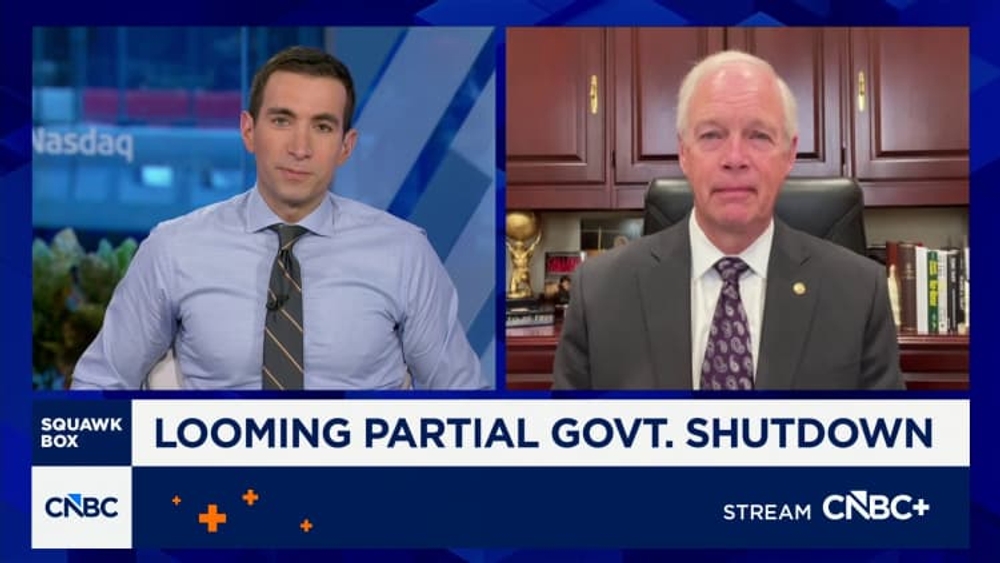
Senator Johnson, speaking on CNBC’s “Squawk Box,” articulated the fundamental impracticality of requiring Article Three court warrants for immigration enforcement actions. Our immigration system has historically operated through administrative law judges within the executive branch, a structure designed to handle the massive volume of immigration cases efficiently. The current system already faces overwhelming backlogs, with millions of cases awaiting adjudication. Transferring this responsibility to the federal judiciary would create insurmountable bottlenecks that would effectively paralyze immigration enforcement. Democrats’ rejection of arguments about system overburdening demonstrates either willful ignorance of operational realities or deliberate intent to undermine enforcement mechanisms.
The Broader Political Context
This funding fight occurs within a larger political landscape where immigration enforcement has become increasingly controversial. The recent aggressive ICE operations in Minnesota have heightened tensions and drawn national attention, making immigration enforcement a flashpoint in the broader cultural and political wars. Senator Johnson’s comparison of Democratic tactics to “defund the police” movements is particularly telling, suggesting a pattern of undermining law enforcement institutions that protect American communities. The characterization of this warrant requirement as the “most obnoxious” of ten demands indicates the depth of philosophical disagreement between the parties on fundamental questions of governance and security.
The Constitutional and Operational Implications
From a constitutional perspective, the demand for judicial warrants represents a significant departure from established practice. Immigration enforcement has traditionally fallen under executive authority, with administrative warrants serving as the standard mechanism for enforcement actions. This system balances efficiency with accountability, allowing for responsive action while maintaining oversight mechanisms. The proposed shift to judicial warrants would not only overwhelm the court system but could potentially violate the separation of powers by involving the judiciary in executive functions beyond their appropriate constitutional role.
The Real-World Consequences of Political Gamesmanship
The potential government shutdown looming over this dispute represents more than political theater—it threatens tangible harm to American security and emergency response capabilities. Senator Johnson’s warning that Democrats are “playing with fire” is not hyperbolic rhetoric but a sober assessment of the risks involved. Defunding FEMA would compromise our nation’s ability to respond to natural disasters and emergencies. Undermining TSA operations would create vulnerabilities in our transportation security system. These are not abstract concerns but real threats to public safety that should never be used as bargaining chips in political negotiations.
The Assault on ICE Agents’ Safety
Perhaps most disturbing is Senator Johnson’s revelation about Democratic opposition to ICE agents wearing masks during operations. His assertion that Democrats want activists to be able to “dox” agents and endanger their families represents a shocking disregard for the safety of law enforcement personnel. This attitude reflects a dangerous trend of targeting individual officers and their families for performing their sworn duties. The protection of those who enforce our laws should be a bipartisan priority, yet we see increasing attempts to intimidate and endanger public servants for political purposes.
The Fundamental Principle at Stake
At its core, this controversy represents a battle over the proper role and function of government in maintaining national security and enforcing immigration laws. The attempt to impose unworkable requirements on enforcement agencies constitutes a backdoor approach to achieving policy objectives that could not be accomplished through legitimate legislative means. This strategy undermines democratic processes and represents governance by hostage-taking rather than reasoned debate and compromise. The American people deserve better than this cynical approach to policymaking.
The Path Forward for Responsible Governance
As someone committed to constitutional principles and effective governance, I believe this situation demands a return to basic principles of responsible legislating. Funding essential government functions should not be contingent on achieving partisan policy victories through procedural manipulation. The proper venue for debating immigration enforcement procedures is through open legislative processes, not last-minute funding fights that threaten government operations. Both parties have a responsibility to ensure continuous funding for homeland security while having separate debates about immigration policy.
The Broader Implications for Democratic Norms
This episode reflects a disturbing pattern in contemporary politics where fundamental government functions become pawns in ideological battles. The willingness to jeopardize national security for political advantage represents a dangerous erosion of democratic norms and responsible governance. Those who truly value our constitutional system should reject these tactics regardless of their position on specific immigration policies. The preservation of our democratic institutions requires that we maintain basic functionality even amid legitimate policy disagreements.
Conclusion: A Call for Constitutional Governance
The current standoff over DHS funding represents everything that is wrong with contemporary politics. It substitutes political gamesmanship for serious policymaking, threatens essential government functions, and undermines the rule of law. Senator Johnson’s warnings about the practical consequences of these demands are not partisan rhetoric but sober assessments of operational reality. As Americans who value both security and liberty, we must demand better from our elected representatives. The path forward requires putting national interest above partisan advantage and returning to the constitutional principles that have guided our nation for centuries. Our security, our values, and our democratic traditions demand nothing less.