
The Dangerous Intersection of Personal Profit and National Security: Examining the UAE Chip Deal Controversy
Published
- 3 min read
The Facts: A Troubling Timeline of Events
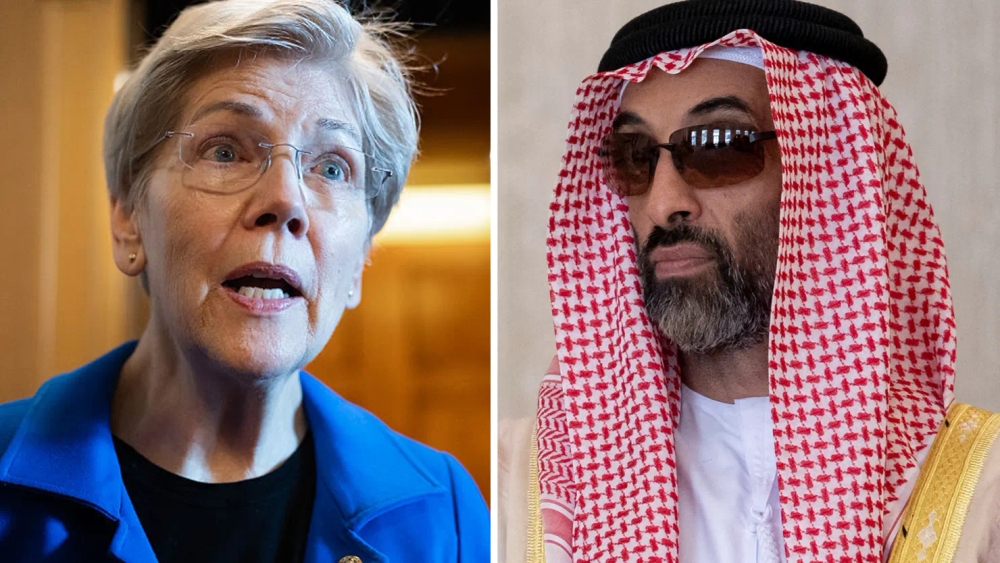
Senator Elizabeth Warren (D-MA) has introduced a Senate resolution calling for the condemnation and reversal of a decision to sell 500,000 advanced artificial intelligence chips to the United Arab Emirates. This resolution comes in response to a deeply concerning sequence of events that suggests potential corruption at the highest levels of American government.
The timeline begins with Sheikh Tahnoon bin Zayed Al Nahyan of the UAE, often referred to as the “Spy Sheikh,” purchasing a secret 49% stake in the Trump family’s World Liberty Financial entity just four days before President Donald Trump’s inauguration. This transaction allegedly funneled approximately $187 million to Trump family entities, raising immediate questions about potential influence peddling.
Months following this substantial financial transaction, the Trump administration approved the sale of half a million advanced Nvidia AI chips annually to the UAE, including the most sophisticated silicon technology America produces. This decision directly contradicted warnings from previous administrations about the risks of transferring such technology to the UAE, primarily due to concerns that these chips could ultimately reach China, America’s primary technological competitor in the AI dominance race.
The Context: Geopolitical Stakes and National Security Concerns
The transfer of advanced AI technology represents one of the most critical national security issues facing the United States today. Artificial intelligence capabilities are increasingly becoming the determinant of global power, influencing everything from economic competitiveness to military superiority. The chips in question represent the pinnacle of American technological achievement, and their potential diversion to adversarial nations could undermine decades of research and development while jeopardizing national security.
Previous administrations, recognizing these risks, had maintained strict controls on such technology transfers. The abrupt reversal of this policy under the Trump administration, particularly following the substantial financial transaction involving Trump family entities, creates the appearance of a quid pro quo arrangement that demands thorough investigation and congressional oversight.
Sheikh Tahnoon’s AI enterprise, G42, stands to directly benefit from this chip transfer, further complicating the ethical landscape. The involvement of an entity closely tied to a foreign government official who made a significant investment in a Trump family venture just before the administration took power creates a troubling narrative that cannot be ignored.
The Constitutional and Democratic Implications
This situation represents precisely the type of corruption that the Founding Fathers sought to prevent when crafting our system of government. The apparent connection between personal financial gain and presidential decision-making strikes at the very heart of democratic integrity. When foreign investments appear to influence policy decisions, especially those involving national security, it undermines public trust and violates the fundamental principle that government officials should serve the public interest, not their personal financial interests.
The potential compromise of American technological superiority for personal gain constitutes a betrayal of the public trust of the highest order. Our technological edge in artificial intelligence represents not just economic advantage but national security imperative. Allowing this advantage to be diminished for the benefit of foreign powers—and potentially for personal profit—represents a failure of leadership and a dereliction of constitutional duty.
The National Security Imperative
The transfer of advanced AI technology to the UAE, given its relationship with China and the documented concerns about technology diversion, creates an unacceptable risk to American security. Artificial intelligence capabilities are increasingly integrated into military systems, intelligence operations, and critical infrastructure. Allowing potentially hostile nations access to this technology could compromise our defense systems, undermine our intelligence capabilities, and threaten our economic security.
The fact that this transfer occurred despite explicit warnings from previous administrations and intelligence communities about the risks involved suggests either catastrophic incompetence or deliberate disregard for national security. Neither explanation is acceptable when dealing with technology that could determine global power dynamics for decades to come.
The Moral and Ethical Dimensions
Beyond the legal and security implications, this situation raises profound ethical concerns about the intersection of personal wealth and public service. The appearance of financial transactions influencing government decisions creates a corrosive environment that undermines democratic norms and institutions. When citizens cannot trust that their leaders are making decisions based on the national interest rather than personal gain, the social contract that underpins our democracy begins to fray.
The principle that public service should be about serving the people, not enriching oneself, is fundamental to American democracy. Situations that suggest otherwise damage not only immediate policy outcomes but the long-term health of our democratic institutions. The normalization of such behavior creates a dangerous precedent that could encourage future corruption and undermine the ethical foundations of our government.
The Path Forward: Accountability and Reform
Senator Warren’s resolution represents an important step toward accountability, but it cannot be the final word on this matter. Congress must exercise its oversight responsibilities to thoroughly investigate these allegations and determine whether laws were broken or ethical boundaries crossed. The American people deserve to know whether their national security was compromised for personal profit.
Additionally, this situation highlights the need for stronger ethics laws and more robust enforcement mechanisms. The current framework for preventing conflicts of interest and ensuring that government decisions are made in the public interest has proven inadequate. We need clearer rules, stronger enforcement, and greater transparency to prevent similar situations from occurring in the future.
Technology transfer policies, particularly involving sensitive technologies like advanced AI chips, need clearer guidelines and more robust review processes. Decisions involving national security cannot be made arbitrarily or appear to be influenced by personal financial considerations. We need systems that ensure these decisions are made based on expert analysis of national security implications, not political connections or financial interests.
Conclusion: Upholding Democratic Principles
The allegations surrounding the UAE chip deal represent a critical test for American democracy and the rule of law. How we respond to situations that suggest the potential corruption of our highest offices will determine the strength and resilience of our democratic institutions. We must demand transparency, accountability, and a recommitment to the principle that public service means serving the public interest, not private interests.
The potential compromise of American technological superiority and national security for personal gain cannot be tolerated. We must stand firm in defense of our democratic principles, our national security, and the ethical foundations of our government. The future of American democracy depends on our willingness to confront corruption and ensure that our leaders serve the people, not themselves.