
The Dangerous Nomination: Steve Pearce and the Threat to America's Public Lands
Published
- 3 min read
Introduction: A Concerning Confirmation Hearing
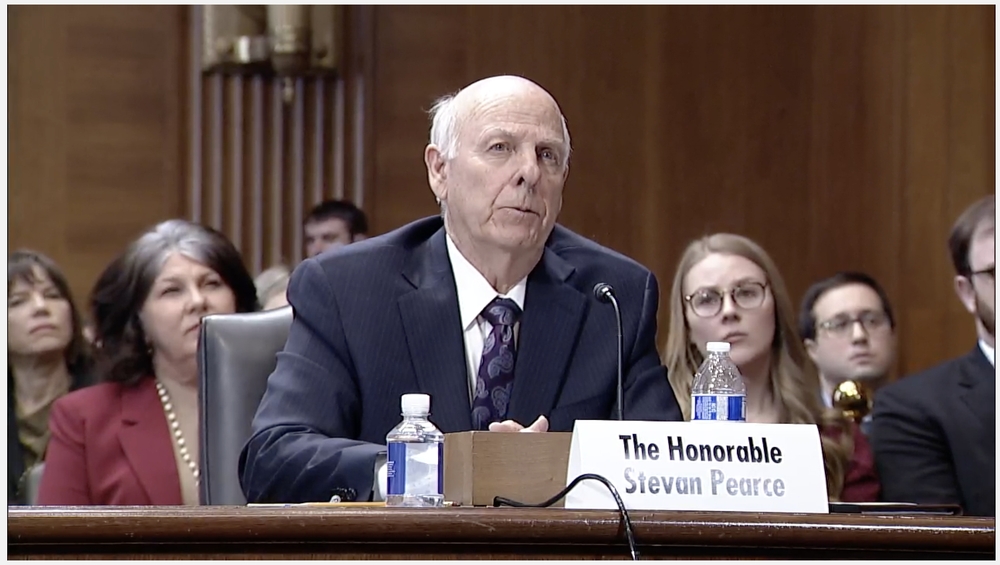
The recent confirmation hearing for Steve Pearce, President Trump’s nominee to lead the Bureau of Land Management, revealed alarming positions that threaten the very foundation of America’s public lands heritage. During the approximately two-hour hearing before the Senate Energy and Natural Resources Committee, Pearce faced intense questioning about his long record of advocating for the sale of federal public lands. What emerged was a picture of a nominee who remains fundamentally committed to reducing federal land holdings, despite the overwhelming public opposition to such actions, particularly in Western states where these lands are concentrated.
The Historical Context of Public Land Stewardship
America’s public lands represent one of our nation’s greatest democratic achievements - the concept that certain natural treasures should be preserved for all citizens, not just the wealthy or powerful. The Bureau of Land Management oversees nearly 250 million acres of public land, making it one of the largest land managers in the world. This stewardship responsibility dates back to foundational principles established early in American history, refined through decades of conservation leadership from figures like Theodore Roosevelt, who understood that some resources are too precious to be subject to market forces alone.
The federal government’s role in managing these lands has evolved through careful bipartisan consensus, recognizing that while local input is essential, some resources require national perspective and protection. The very concept of public lands embodies the democratic ideal that natural wonders and resources belong to all Americans equally, regardless of where they live or their economic status.
Pearce’s Troubling Record on Public Lands
Steve Pearce’s history reveals a consistent pattern of opposition to federal land stewardship. As a seven-term Republican congressman from New Mexico, Pearce co-sponsored legislation in 2016 that would have authorized the Department of the Interior and Department of Agriculture to sell public land to local governments. Even more concerning, he co-sponsored bills undermining the Antiquities Act, which provides presidents with authority to designate national monuments - one of our most important conservation tools.
His 2012 letter advocating for “disposal of some of the federal government’s vast land holdings” to reduce the federal deficit demonstrates a fundamental misunderstanding of public lands’ value. Pearce wrote that “Over 90% of this land is located in the western states and most of it we do not even need,” displaying a startling disregard for the ecological, recreational, and cultural significance of these landscapes.
The Hearing: Evasion and Unchanged Positions
During Wednesday’s hearing, senators repeatedly pressed Pearce to clarify whether he disavowed his previous statements. His responses were concerningly evasive. When asked if his position had changed since his 2012 advocacy for land sales, Pearce said he was “not so sure” his position had changed. This represents a profound disrespect for the democratic process and the will of the American people.
Pearce’s attempts to reassure senators by noting that “federal law says that we can’t do that from the BLM itself” rings hollow when considering his legislative history of trying to change those very laws. His record demonstrates that when legal constraints prevent his preferred policies, he works to remove those constraints rather than accepting them as wise limitations on executive power.
The Democratic Principle at Stake
At its core, this nomination raises fundamental questions about our commitment to democratic principles. Public lands belong to all Americans - they are our collective inheritance and our shared responsibility. The idea that these lands should be sold to address temporary budget issues represents a catastrophic failure of long-term thinking and a betrayal of intergenerational justice.
The overwhelming public opposition to public land sales - with 76% of Western state voters opposed to selling public land for housing, and 74% opposed to selling for oil, gas or mining development - demonstrates that Pearce’s positions are radically out of step with the people he would serve. This disconnect between a potential public servant and the public they’re supposed to serve should disqualify any nominee from confirmation.
The Threat to Conservation Legacy
Pearce’s opposition to the Organ Mountains-Desert Peaks National Monument designation in 2014, and his subsequent efforts to shrink the monument’s footprint, reveal a pattern of hostility toward conservation achievements. When questioned by Senator Martin Heinrich about this opposition, Pearce’s dismissive response that he doesn’t “anticipate going back and reviewing that at the end of the day” demonstrates a concerning lack of commitment to preserving our conservation legacy.
National monuments represent some of our most important conservation successes, protecting unique landscapes and cultural resources for future generations. A BLM director who views these designations as “hotly contested issues” rather than celebrated achievements of democratic governance cannot be trusted to steward these treasures properly.
The Nevada Precedent: A Cautionary Tale
Senator Catherine Cortez Masto’s questioning about the Southern Nevada Public Land Management Act (SNPLMA) highlighted both the potential benefits and dangers of land disposal programs. While SNPLMA has generated significant revenue through controlled land sales, it represents a specific, geographically limited approach developed through extensive local consultation and congressional oversight.
Pearce’s enthusiastic embrace of this model as something he would “fall very closely in the issue to where you stand” is concerning when considered alongside his broader advocacy for widespread land disposal. The careful, limited approach of SNPLMA should not be used as justification for broader land sale initiatives that lack similar safeguards and democratic oversight.
The Constitutional Implications
The management of public lands involves profound constitutional questions about federal authority, states’ rights, and the public trust doctrine. The Constitution gives Congress power over federal property, and generations of legislation have refined how this authority should be exercised in the public interest. A nominee who has consistently worked to undermine this constitutional framework through legislation aimed at disposing of federal lands demonstrates a fundamental disagreement with established constitutional principles.
The rule of law requires respect for constitutional structures, even when they conflict with personal policy preferences. Pearce’s legislative history suggests he prioritizes his ideological commitment to reducing federal land holdings over faithful execution of existing laws and constitutional principles.
The Environmental Justice Dimension
Public land sales disproportionately affect vulnerable communities who rely on these lands for recreation, subsistence, and cultural practices. The privatization of public lands often leads to restricted access, increased costs, and loss of traditional uses that have sustained communities for generations. This nomination threatens to exacerbate existing environmental justice issues by potentially removing protections for landscapes that serve as essential resources for marginalized populations.
A truly democratic approach to land management recognizes that some resources must remain accessible to all citizens, not just those who can afford to purchase them or pay for access. Pearce’s apparent disregard for this equitable access principle raises serious concerns about his commitment to environmental justice.
The Need for Vigilant Opposition
This nomination cannot be viewed in isolation. It follows a pattern of Trump administration appointments that have systematically weakened environmental protections and favored resource extraction over conservation. The withdrawal of Kathleen Sgamma’s nomination earlier this year, while for different reasons, does not change the concerning direction of this administration’s approach to public lands.
All citizens who value our natural heritage, who believe in democratic stewardship of shared resources, and who understand the importance of preserving options for future generations must oppose this nomination. The Senate Energy and Natural Resources Committee has a profound responsibility to reject any nominee whose record demonstrates such clear hostility toward the conservation principles that have guided bipartisan land management for decades.
Conclusion: Protecting Our Democratic Inheritance
The stakes in this confirmation process could not be higher. Our public lands represent more than just physical territory - they embody our highest democratic ideals about shared ownership, intergenerational responsibility, and the common good. Steve Pearce’s record demonstrates a fundamental rejection of these principles in favor of a narrow ideology that views public lands as liabilities rather than treasures.
The Senate must fulfill its constitutional advice and consent responsibility by rejecting this dangerous nomination. Our public lands deserve a steward who respects their democratic significance, understands their ecological importance, and honors their cultural value. Steve Pearce has demonstrated through his words and actions that he does not meet this essential standard. The future of America’s natural heritage depends on senators of both parties putting principle over party and rejecting this threat to our public lands.