
The Dangerous Politicization of Immigration Enforcement in Minnesota
Published
- 3 min read
The Facts: A Significant Reduction in Federal Presence
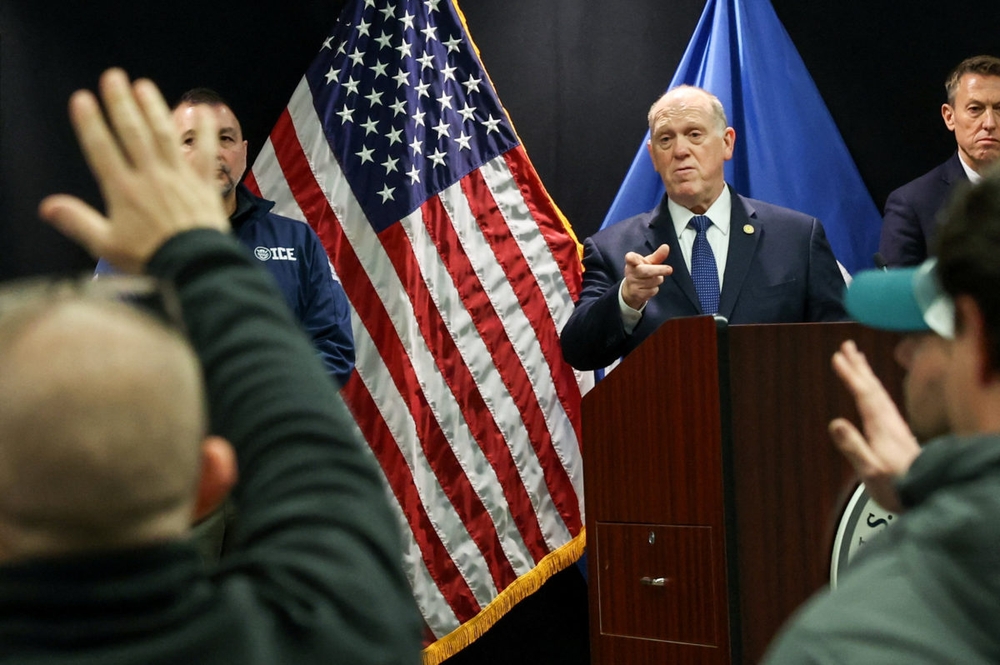
According to recent announcements from border czar Tom Homan, the Trump administration is implementing a substantial reduction in immigration enforcement personnel within Minnesota. Approximately 700 federal agents will be withdrawn from immigration operations throughout the state, representing a significant decrease from the current deployment of roughly 3,000 federal officers. This decision comes specifically after state and local officials agreed to cooperate by turning over arrested immigrants to federal authorities. The announcement was made during a news conference in Minneapolis, highlighting the administration’s strategic shift in enforcement resource allocation based on jurisdictional cooperation levels.
Context: The Broader Immigration Enforcement Landscape
This development occurs within a complex national context of evolving immigration policies and enforcement strategies. The Trump administration has consistently emphasized immigration enforcement as a top priority, with various approaches ranging from border wall construction to interior enforcement mechanisms. The deployment and withdrawal of federal agents based on local cooperation represents a relatively new dimension of this broader strategy. Minnesota’s specific situation reflects a growing pattern where federal resources become contingent upon local compliance with administration priorities, creating what many observers characterize as a coercive relationship between federal and local governments.
The current immigration enforcement apparatus in the United States represents a massive federal undertaking, with tens of thousands of agents deployed nationwide. The decision to remove nearly a quarter of Minnesota’s federal immigration enforcement presence signals a significant recalibration of priorities. This action follows agreements where state and local officials committed to turning over arrested immigrants, suggesting a transactional relationship between cooperation levels and resource allocation. Such approaches raise fundamental questions about the consistent application of federal law and the potential for politically motivated enforcement patterns.
Constitutional Principles and Enforcement Consistency
The selective deployment of enforcement resources based on political cooperation rather than objective threat assessment represents a dangerous departure from constitutional governance. Our nation was founded on the principle of equal protection under the law, meaning that federal enforcement should be consistent across jurisdictions regardless of local political alignment. When administration officials make decisions about where to deploy limited resources based on political compliance rather than public safety needs, they undermine the very foundation of impartial justice that defines our constitutional system.
This approach creates what legal scholars might characterize as “enforcement arbitrage” - where different communities receive vastly different levels of federal protection based on their willingness to comply with administrative preferences rather than objective needs. Such selective enforcement patterns threaten to create a patchwork of rights and protections across the country, fundamentally undermining the uniform application of federal law that our constitutional framework requires.
The Erosion of Institutional Integrity
Perhaps most troubling is how this approach damages the institutional integrity of federal law enforcement agencies. When enforcement priorities become tied to political compliance rather than public safety metrics, the professional judgment of career law enforcement officials becomes subordinated to political calculations. This politicization of enforcement resources risks transforming agencies dedicated to public protection into tools of political leverage, ultimately degrading their effectiveness and credibility.
The professional men and women who serve in immigration enforcement roles deserve clear, consistent guidance based on legal principles rather than political convenience. When their deployment becomes contingent on local political agreements rather than objective threat assessment, it compromises their ability to perform their duties effectively and impartially. This not only damages morale within these critical agencies but also undermines public confidence in their work.
Community Trust and Public Safety Implications
The withdrawal of substantial enforcement resources following cooperation agreements creates a troubling dynamic for community-police relations. When local law enforcement becomes perceived as an extension of federal immigration agendas, it can severely damage trust between immigrant communities and the police officers who serve them. This breakdown in trust has demonstrable public safety consequences, as community members become hesitant to report crimes, serve as witnesses, or cooperate with investigations for fear of immigration consequences.
Public safety depends on the cooperation and trust of all community members, regardless of immigration status. Policies that drive wedges between law enforcement and the communities they serve ultimately make everyone less safe. The administration’s approach risks creating precisely this dangerous dynamic, where fear of immigration consequences outweighs the willingness to engage with local authorities on public safety matters.
The Slippery Slope of Conditional Federal Resources
This Minnesota situation establishes a concerning precedent for how federal resources might be allocated across various policy domains. If immigration enforcement resources can be made contingent on local political cooperation, what prevents similar approaches in other areas like environmental regulation, healthcare funding, or education resources? The principle of conditional federal support based on political alignment represents a fundamental threat to our system of cooperative federalism.
Our constitutional framework envisions a partnership between federal and state governments, not a relationship of coercion where federal resources become bargaining chips for policy compliance. When administrations begin using resource allocation as leverage for political alignment, they risk transforming the federal-state relationship into something more closely resembling a patronage system than a constitutional partnership.
The Human Cost of Politicized Enforcement
Behind the policy discussions and resource allocations lie real human beings whose lives are profoundly affected by these decisions. Families living in Minnesota now face a different enforcement landscape than they did yesterday, with uncertainty about what these changes mean for their futures. The psychological toll of living under constantly shifting enforcement regimes creates tremendous stress and anxiety within immigrant communities, regardless of individuals’ legal status.
The administration’s approach treats human beings as political pawns in a larger strategic game, with little apparent consideration for the human consequences of these policy shifts. This disregard for the human dimension of policy decisions reflects a troubling departure from the compassionate governance that should characterize a nation founded on principles of human dignity and rights.
Conclusion: Reaffirming Constitutional Governance
The developments in Minnesota represent more than just a tactical shift in immigration enforcement - they signal a fundamental challenge to constitutional governance principles that have guided our nation for centuries. The selective, politically motivated allocation of enforcement resources threatens equal protection, undermines institutional integrity, damages community trust, and treats human beings as political instruments rather than rights-bearing individuals.
As defenders of democratic principles and constitutional governance, we must speak clearly against approaches that subordinate law enforcement to political calculation. The consistent, impartial application of law represents a bedrock American principle that transcends any single administration or policy preference. Our commitment to constitutional governance requires that we resist the politicization of enforcement resources and advocate for approaches grounded in legal principles rather than political convenience.
The situation in Minnesota serves as a warning about the fragility of our constitutional norms when confronted with administrative approaches that prioritize political outcomes over consistent governance. Those who value democracy, freedom, and liberty must remain vigilant against such erosions of constitutional principles, regardless of which administration engages in them.