
The Disturbing Priority: Prosecuting Protesters While Ignoring Police Violence
Published
- 3 min read
The Facts of the Minnesota Church Protest Case
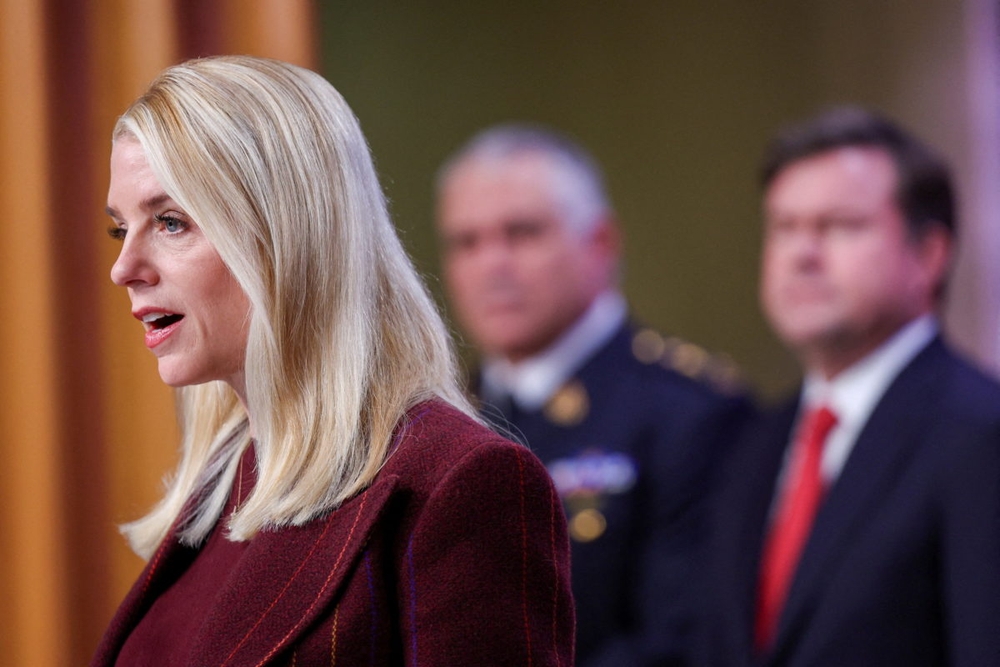
Federal authorities have significantly escalated their response to a January protest at Cities Church in St. Paul, Minnesota, bringing the total number of individuals facing federal charges to 39 people. Attorney General Pam Bondi announced these latest charges against 30 additional defendants, with 25 already in custody and more arrests anticipated. The charges include conspiracy against religious freedom and interfering with the right of religious freedom, with the indictment describing the incident as a “coordinated takeover-style attack” on a house of worship.
The protest occurred on January 18th when demonstrators entered Cities Church during services, chanting “ICE out” and “Justice for Renee Good” - referencing a woman fatally shot by an ICE officer in Minneapolis on January 7th. The protest targeted the church because one of its pastors also serves as an ICE official. Livestreamed footage shows the interruption of religious services, with the indictment alleging acts of intimidation and obstruction that left children frightened and traumatized.
Among those charged are independent journalists Don Lemon and Georgia Fort, who maintain they were present as reporters covering news, and prominent local activist Nekima Levy Armstrong. All three have pleaded not guilty. The White House previously circulated a doctored photo of Levy Armstrong during her arrest, adding another layer of controversy to this case.
The Broader Context: Operation Metro Surge and Community Trauma
This protest occurred against the backdrop of significant tension in Minnesota resulting from Operation Metro Surge, a Trump administration initiative that deployed thousands of federal officers to the state following public fraud cases where most defendants had Somali roots. The operation involved frequent use of tear gas for crowd control and widespread detentions of residents alongside immigrants.
The community was already grappling with multiple fatalities involving law enforcement. Renee Good, 37, was shot and killed by an ICE officer in Minneapolis on January 7th. Just one week after the church protest, another federal officer killed Alex Pretti, a 37-year-old nurse, in the same city. Keith Porter was fatally shot in Los Angeles by an off-duty ICE officer, though the timing of this incident relative to the protest isn’t specified in the article.
These deaths sparked nationwide demonstrations and eventually led to leadership changes within Operation Metro Surge and the gradual winding down of the immigration enforcement operation. The Twin Cities suffered a documented economic impact of $203 million due to the operation, with tens of thousands of residents requiring urgent relief assistance.
The Constitutional and Moral Implications of These Prosecutions
While respecting houses of worship is fundamentally important in any free society, the disproportionate response to this protest raises serious constitutional and moral questions that demand rigorous examination. The First Amendment protects both religious freedom and the right to protest—rights that must be balanced carefully, not weaponized selectively against disfavored voices.
The charging of journalists under these statutes represents a particularly dangerous precedent. When reporters like Don Lemon and Georgia Fort face federal charges for doing their jobs—documenting matters of public concern—we edge perilously close to the criminalization of journalism itself. A healthy democracy requires a free press that can cover controversial events without fear of government retaliation.
Furthermore, the emotional language used in the indictment—describing children’s fears—while undoubtedly reflecting real trauma, seems notably absent from official responses to the actual fatalities that sparked these protests. Where is the comparable outrage for Renee Good, Alex Pretti, and Keith Porter? Where are the federal resources dedicated to investigating their deaths with the same vigor applied to prosecuting protesters?
The Disturbing Disparity in Justice
Trahern Crews, lead organizer of Black Lives Matter Minnesota and himself charged in January, articulated what many in affected communities feel: “It’s a shame that the people who have killed Alex Pretti and Renee Good or Keith Porter have not been arrested but peaceful protesters have.” This statement highlights the painful disparity that undermines community trust in law enforcement and the justice system.
When government resources flow abundantly toward prosecuting disruptive protests but appear stagnant when addressing police-involved fatalities, the message received by vulnerable communities is unequivocal: their lives matter less than maintaining order and protecting institutions. This perception, whether accurate or not, corrodes the social contract and makes genuine reconciliation increasingly difficult.
The church’s lawyer, Doug Wardlow, correctly notes that the First Amendment doesn’t provide “license to storm a church and intimidate, threaten, and terrorize families and children.” However, this legal principle must be applied consistently. If we criminalize intimidation in places of worship—as we should—we must equally criminalize intimidation by those wearing badges who abuse their authority. Selective enforcement of laws protecting against intimidation undermines the rule of law itself.
The Larger Pattern of Prioritizing Order Over Justice
This case fits into a broader pattern where system-protective actions receive vigorous enforcement while accountability for system-inflicted harm faces institutional resistance. The massive deployment of federal officers during Operation Metro Surge, the documented economic damage to communities, the trauma inflicted by aggressive immigration enforcement—these substantive harms receive comparatively minimal accountability measures.
Meanwhile, a single protest that disrupted a church service—while unquestionably inappropriate—triggers an expanding web of federal prosecutions. The revised indictment even includes allegations that two people “conducted reconnaissance” outside the church a day before the protest, language typically reserved for terrorism cases rather than protest planning.
This discrepancy in response reveals priorities that should concern all who value both justice and order. A system that reacts more forcefully to challenges against its authority than to abuses of that authority ultimately undermines its own legitimacy.
Toward a More Balanced Approach
Resolving this tension requires acknowledging multiple truths simultaneously: Houses of worship deserve protection from disruption and intimidation. Protesters should find alternative methods to express dissent rather than targeting religious services. Journalists must be free to report on controversial events without fear of prosecution.
Equally important: Law enforcement officers must be held accountable when they use lethal force inappropriately. Federal operations that cause massive economic damage and community trauma warrant thorough investigation and reform. And communities experiencing legitimate grievances deserve responsive governance rather than primarily punitive responses.
The path forward requires rebalancing our priorities—addressing the root causes of community anger while maintaining appropriate boundaries for protest. It means investigating police-involved fatalities with the same resources applied to prosecuting protesters. It demands protecting religious freedom without criminalizing dissent.
Until our justice system demonstrates equal concern for all lives lost and all rights violated, until it shows consistent commitment to both order and justice, communities will continue to feel that the system works against them rather than for them. And nothing undermines democracy more than that perception becoming reality.