
The Economic and Human Cost of Aggressive Immigration Enforcement: A Threat to Both Prosperity and Principles
Published
- 3 min read
The Facts: State Financial Officials Sound the Alarm
Nevada Treasurer Zach Conine has joined thirteen other Democratic state treasurers, comptrollers, and auditors in issuing a stark warning to President Donald Trump regarding the administration’s aggressive immigration enforcement tactics. These state financial officials, responsible for safeguarding their states’ economic wellbeing, have expressed grave concerns about both the human toll and economic damage resulting from recent enforcement operations.
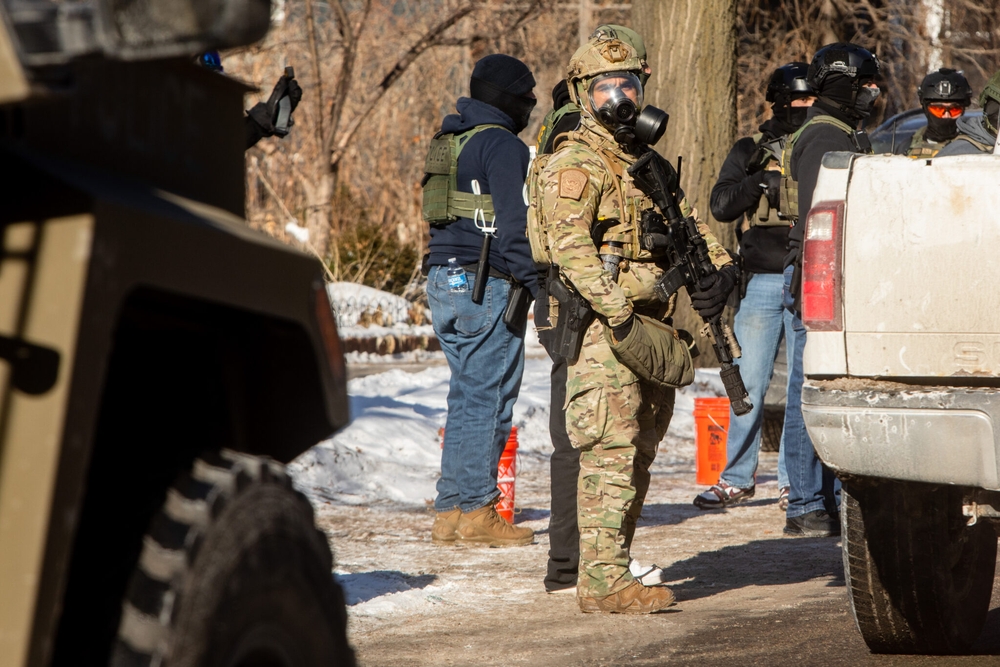
The letter, sent to the administration on Tuesday, comes amid a nationwide surge in immigration enforcement activities. Particularly concerning is the recent operation in Minneapolis, which has uprooted the lives of residents and tragically resulted in two American citizens being killed by federal agents last month. This incident has sparked outrage across the country and raised serious questions about the methods being employed.
From an economic perspective, the officials highlighted the potential devastation to business sectors in affected cities. Nevada, as Treasurer Conine noted, has one of the largest immigrant labor forces in the country, comprising nearly 400,000 workers. According to an analysis by the bipartisan political advocacy and research group Fwd.US, immigrants contribute “$20.2 billion to the Nevada economy annually in personal income, making up nearly 1 in 5 of all spending-power dollars in the state.”
The Context: Campaign Promises and Economic Realities
President Trump has been carrying out his campaign promise of mass deportation since returning to office last year. This commitment has translated into a visible surge of federal agents swarming cities, disrupting the lives of residents and businesses alike. The administration’s approach represents a significant escalation in immigration enforcement tactics that previous administrations had approached with more measured consideration for economic and social consequences.
The state officials’ letter specifically asks the Trump administration to scale back enforcement, arguing that escalated activities are disrupting businesses and workers. They emphasize that federal immigration enforcement “must be done without destabilizing our state and local economies or the economic foundations of our governments.” This concern is particularly acute given that, as the letter notes, “Many of our states already send more tax dollars to Washington than we receive in federal support.”
Constitutional and Economic Principles Under Threat
What makes this situation particularly alarming from a democratic perspective is Treasurer Conine’s assertion that “this administration is willing to go around the Constitution and existing federal law to push immigration policies that could devastate our local workforce.” This represents not just an economic concern but a fundamental constitutional crisis. When any administration demonstrates willingness to circumvent established legal frameworks, it undermines the very foundations of our democratic system.
The human cost cannot be overstated. The officials expressed concern about “the human toll, the climate of fear, and the violence and death accompanying these operations.” The deaths of two American citizens during these operations should give every patriot pause. Enforcement actions that result in the loss of American lives demand immediate scrutiny and accountability. A government that cannot protect its citizens while enforcing its laws has failed in its most basic responsibility.
The Economic Fallout: Beyond the Numbers
While the economic statistics are staggering—$20.2 billion in annual contributions to Nevada’s economy alone—the real story lies in the human economic impact. Nearly one in five spending-power dollars in Nevada comes from immigrant workers. These are not abstract figures; they represent real people contributing to their communities, paying taxes, and supporting local businesses. The hospitality industry, a cornerstone of Nevada’s economy, stands particularly vulnerable to workforce disruptions caused by aggressive enforcement actions.
The letter’s warning about “economic and fiscal damage” speaks to a broader concern about stability and predictability in local economies. Businesses cannot thrive in an environment where their workforce faces sudden disruption and where communities live in fear. The climate of uncertainty created by these operations threatens to undermine years of economic growth and development.
The Principle of Federalism Under Strain
Another deeply concerning aspect of this situation is the strain it places on the principle of federalism. State officials, elected to manage their states’ financial health, are being forced to absorb “the fiscal consequences of enforcement activities” that they explicitly describe as “not acceptable.” This represents a fundamental imbalance in the federal-state relationship that our Founders carefully constructed.
When states must bear the economic burden of federal policies without having input into those policies, it creates a democratic deficit. The officials’ statement that they are “expected to absorb the fiscal consequences of enforcement activities” highlights this troubling dynamic. True federalism requires cooperation and consideration, not imposition and economic burden-shifting.
The Moral Imperative: Human Dignity Above Politics
Beyond the economic and constitutional arguments lies a fundamental moral imperative. Any immigration enforcement that creates a “climate of fear” and results in violence and death fails basic tests of human dignity and compassion. As a nation built by immigrants and founded on principles of liberty and justice for all, we must ask ourselves what values we are upholding when our enforcement actions terrorize communities and cost American lives.
The deaths in Minneapolis serve as a tragic reminder that enforcement actions have real human consequences. When American citizens lose their lives during immigration operations, we have crossed a dangerous threshold. Every life lost represents a failure of policy and execution that demands accountability and change.
The Path Forward: Principles Over Politics
As defenders of democracy and constitutional principles, we must insist on immigration enforcement that respects both the rule of law and human dignity. The concerns raised by these state financial officials cannot be dismissed as mere political opposition. They represent legitimate worries about economic stability, constitutional integrity, and basic human rights.
The administration must reconsider its approach to balance enforcement priorities with economic realities and constitutional constraints. Mass deportation campaigns that destabilize local economies, circumvent legal frameworks, and result in American deaths cannot be justified under any principled approach to governance.
We must return to an immigration enforcement paradigm that recognizes the valuable contributions immigrants make to our economy while upholding our laws in a manner consistent with our constitutional principles and respect for human dignity. The alternative—continued aggressive tactics that harm both people and economies—represents a dangerous departure from American values and practical governance.
In conclusion, the warning from state financial officials serves as a crucial wake-up call about the multiple dangers posed by current immigration enforcement tactics. From economic devastation to constitutional violations to tragic loss of life, these operations threaten fundamental aspects of our democracy. As citizens committed to both prosperity and principles, we must demand better from our government—enforcement that protects both our borders and our values.