
The End of Operation Metro Surge: A Critical Examination of an Immigration Crackdown That Tore at America's Constitutional Fabric
Published
- 3 min read
Background and Operation Overview
Operation Metro Surge, launched on December 1st by U.S. Immigration and Customs Enforcement, represented one of the most aggressive immigration enforcement actions in recent Minnesota history. Focused primarily on the Minneapolis-St. Paul metropolitan area, this operation deployed thousands of federal officers with the stated purpose of targeting what the Trump administration repeatedly characterized as “dangerous criminal illegal aliens.” Over the course of several months, federal authorities conducted sweeping raids that resulted in the arrest of more than 4,000 individuals, creating widespread fear and disruption throughout immigrant communities.
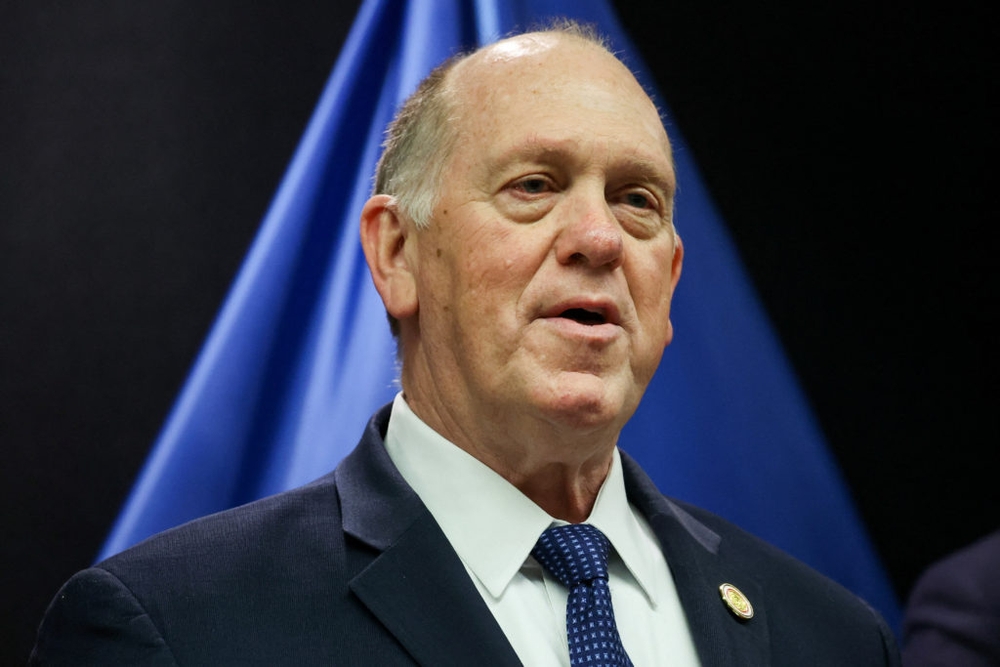
The operation reached its controversial peak under the leadership of Tom Homan, who took over the Minnesota effort in late January following the second fatal shooting by federal immigration agents and amid growing political backlash. The intensity of the crackdown prompted immediate and sustained protests from community leaders, civil rights organizations, and elected officials who questioned both the tactics employed and the constitutional foundations of such aggressive enforcement actions.
The Official Rationale and Reality on the Ground
Throughout the operation, administration officials maintained that their actions were necessary to enhance public safety and combat what they perceived as Minnesota’s sanctuary policies. At his recent news conference announcing the end of the operation, Tom Homan declared, “As a result of our efforts here, Minnesota is now less of a sanctuary state for criminals,” adding that “the surge is leaving Minneapolis safer.” This rhetoric formed the consistent public justification for an operation that deployed unprecedented numbers of federal agents into American communities.
However, the reality experienced by Minnesota residents told a markedly different story. While officials focused public statements on targeting dangerous criminals, the actual enforcement actions swept up numerous individuals with no criminal records, including children and even U.S. citizens. This discrepancy between official rhetoric and on-the-ground reality created a crisis of credibility for federal authorities and exposed the operation to justified criticism from multiple quarters.
Political Response and Community Impact
The political response to Operation Metro Surge highlighted the deep divisions in American immigration policy. Democratic Governor Tim Walz characterized the operation as an “occupation” and a “retribution campaign” against the state, expressing his expectation that the operation would conclude in “days, not weeks and months” based on conversations with senior Trump administration officials. Minneapolis Mayor Jacob Frey similarly engaged with federal authorities, describing a “positive meeting” with Homan while undoubtedly advocating for his constituents’ interests and constitutional protections.
The announcement of the operation’s conclusion came with Homan’s statement that 700 federal officers would leave Minnesota immediately, though this still left more than 2,000 officers on Minnesota’s streets according to Governor Walz. The drawdown process began recently and will continue in the coming week, with Homan planning to remain in Minnesota to oversee the transition.
Constitutional Crisis in Plain Sight
What unfolded in Minnesota under Operation Metro Surge represents nothing less than a constitutional crisis playing out in American streets. The fundamental principles of due process, equal protection, and limited government power that form the bedrock of our democracy were severely tested by an enforcement operation that treated entire communities as suspect. The fact that U.S. citizens and individuals with no criminal records were detained alongside those targeted for immigration violations demonstrates the inherent dangers of such broad, sweeping enforcement actions.
The Fourth Amendment’s protection against unreasonable searches and seizures exists precisely to prevent the type of dragnet approach that characterized this operation. When federal authorities conduct mass raids without individualized suspicion, they undermine the very constitutional safeguards that distinguish a free society from an authoritarian state. The psychological impact on communities living under what effectively becomes martial law cannot be overstated—this creates lasting trauma and erodes the trust between citizens and their government that is essential for a functioning democracy.
The Human Cost of Enforcement-First Policies
Beyond the constitutional implications lies the profound human cost of operations like Metro Surge. When children are detained, when families are torn apart, when individuals are swept up without proper regard for their legal status or rights, we cross ethical lines that should remain inviolable in a society that claims to value human dignity. The two deaths that occurred during this operation stand as tragic reminders of what happens when enforcement priorities override human considerations.
A truly humane immigration policy would balance legitimate enforcement needs with compassion and respect for the individuals involved. Operation Metro Surge represented the polar opposite of this balanced approach, prioritizing show-of-force tactics over thoughtful, targeted enforcement. The result was not greater safety but greater fear—not enhanced security but damaged community relations that will take years to repair.
The Dangerous Rhetoric of “Sanctuary” Politics
The repeated characterization of Minnesota as a “sanctuary state for criminals” represents a dangerous politicization of immigration enforcement that serves neither justice nor public safety. This inflammatory language creates a false binary where communities must choose between protecting all residents and upholding the law. In reality, constitutional protections exist for everyone within our borders precisely because history has taught us that rights reserved only for some quickly become rights for none.
The concept of sanctuary itself has been grotesquely distorted in this debate. Historically, sanctuary policies reflect communities’ legitimate concerns about overreach by federal authorities and their desire to maintain trust between local law enforcement and immigrant communities. When police become viewed as immigration enforcers, vulnerable populations stop reporting crimes, cooperating with investigations, or engaging with authorities—ultimately making everyone less safe.
Lessons for Democratic Governance
The conclusion of Operation Metro Surge offers critical lessons about the proper balance between enforcement and liberty in a democratic society. First, it demonstrates that citizen engagement and political pressure can effect change even against powerful federal operations. The consistent advocacy by Minnesota officials and community leaders played a crucial role in bringing this operation to an end.
Second, it highlights the importance of transparency and accountability in government actions. The questions raised about how the operation was being run, the criteria for arrests, and the oversight mechanisms (or lack thereof) underscore why democratic societies require robust checks on executive power. Without these safeguards, even well-intentioned enforcement actions can devolve into abuses of authority.
Third, this episode reminds us that federalism remains a vital protection against government overreach. The ability of state and local officials to push back against federal actions that they believe harm their communities represents an essential feature of our constitutional system. When Governor Walz characterized the operation as an “occupation,” he was appealing to this fundamental principle of distributed power.
The Path Forward: Principles-Based Immigration Reform
As we reflect on the conclusion of Operation Metro Surge, we must recognize that simply ending one problematic operation does not address the underlying systemic issues in our immigration system. What America needs is comprehensive immigration reform grounded in our nation’s highest principles: respect for human dignity, commitment to due process, and recognition of the contributions immigrants make to our society.
Such reform should include clear pathways to legal status for undocumented immigrants who have built lives in this country, streamlined legal immigration processes that reduce backlogs and family separations, and enforcement mechanisms that are targeted, proportional, and respectful of constitutional rights. It should reject the temptation toward mass raids and draconian measures that treat immigration violations as equivalent to serious criminality.
Most importantly, any immigration policy worthy of America’s democratic traditions must begin from the premise that every person within our borders possesses inherent dignity and deserves basic rights protections. Operations like Metro Surge failed this fundamental moral test by treating human beings as problems to be swept away rather than as individuals entitled to justice and fair treatment.
Conclusion: Reclaiming America’s Democratic Soul
The end of Operation Metro Surge provides an opportunity for national reflection on what kind of country we want to be. Do we want an America where federal agents conduct mass raids that detain citizens and non-citizens alike without proper cause? Or do we want an America that balances legitimate enforcement needs with unwavering commitment to constitutional principles and human dignity?
The answer should be clear to anyone who truly believes in American democracy. Our nation’s greatness has never derived from the power of our enforcement mechanisms but from the strength of our principles. As we move forward from this troubling chapter in Minnesota’s history, we must recommit to building an immigration system that reflects the best of American values rather than the worst of authoritarian impulses. The soul of our democracy depends on it.