
The Epstein Document Revelations: A Test of Moral Leadership and Public Trust
Published
- 3 min read
The Unveiling of Disturbing Connections
The recent release of over 3 million pages of documents related to Jeffrey Epstein by the Department of Justice has sent shockwaves through political and business circles, revealing extensive continued interactions between key Trump administration figures and the convicted sex offender. These documents, released under congressional mandate signed into law by President Trump himself, provide unprecedented insight into the social and professional networks that Epstein cultivated among the powerful elite.
The latest tranche of files demonstrates that numerous individuals in President Trump’s inner circle maintained friendly relationships with Epstein long after his 2008 conviction on state prostitution charges. While Trump maintains that he severed ties with Epstein years ago, his name appears hundreds of times throughout the documents, though no direct evidence has emerged linking him to participation in illegal activities. The real story emerges not from what Trump did or didn’t do, but from what his closest associates continued to do with a known sexual predator.
Contradictions and Communications
Among the most startling revelations are the direct contradictions between public statements and private communications. Elon Musk, currently serving as DOGE head, exchanged numerous friendly emails with Epstein, including one on Christmas Day 2012 where Musk asked about party plans and expressed desire to “hit the party scene.” This directly contradicts Musk’s recent social media claims that he “always declined” Epstein’s invitations and found him suspicious.
Commerce Secretary Howard Lutnick’s communications are equally troubling. Emails show Lutnick and his wife Allison making detailed arrangements to meet Epstein in the Caribbean, with Mrs. Lutnick providing their yacht’s name and requesting specific coordinates for their captain. These communications occurred years after Lutnick claimed to have cut ties with Epstein, describing him as “disgusting” in a recent podcast interview.
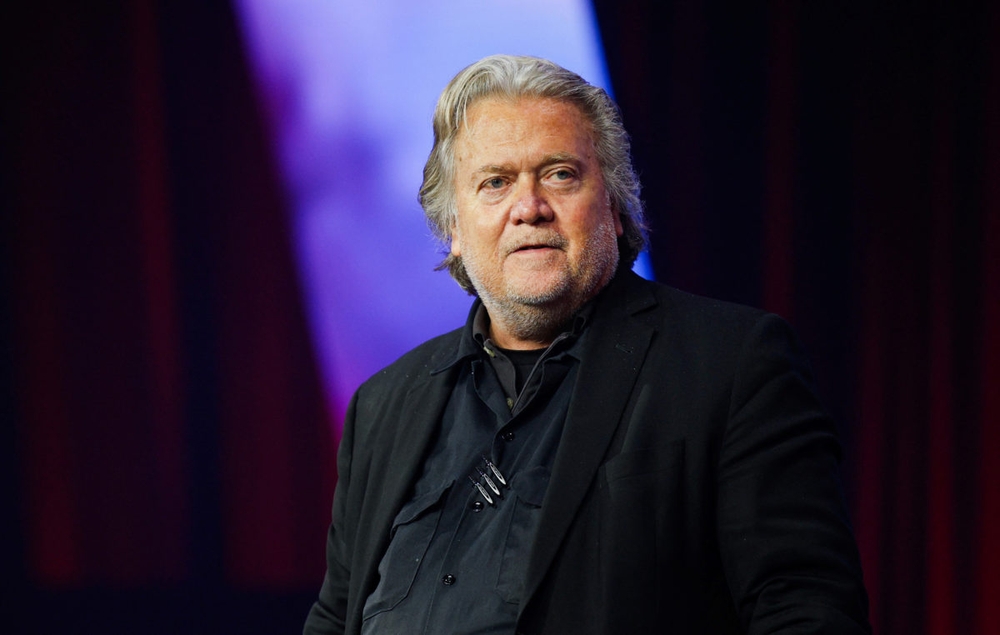
Steve Bannon, former Trump adviser, maintained text message contact with Epstein as recently as 2019, with Epstein sending Bannon an Apple Watch for Christmas and extending invitations to meet in New York. Other prominent figures mentioned include Federal Reserve nominee Kevin Warsh, who appears on guest lists for Epstein’s St. Barth’s parties, and documentary director Brett Ratner, who recently worked with First Lady Melania Trump.
The Framework of Accountability
The Department of Justice, under Deputy Attorney General Todd Blanche—who previously served as one of Trump’s personal lawyers—has emphasized that the release includes both verified and unverified claims, as required by law. Blanche stated during a news conference that the department “did not protect President Trump” or anyone else, suggesting that the documents may not satisfy public “hunger” for information about Epstein’s connections.
What emerges from these documents is not necessarily evidence of criminal activity by these powerful figures, but rather a pattern of ethical compromise, dishonesty, and poor judgment. The continued association with a convicted sex offender, followed by deliberate misrepresentation of the nature and duration of these relationships, raises profound questions about the moral character of individuals occupying positions of immense public trust.
The Crisis of Moral Leadership
When individuals entrusted with shaping national policy demonstrate such profound lapses in judgment, we must question the very foundation of democratic leadership. The Epstein revelations expose a disturbing disconnect between public pronouncements and private actions among America’s power elite. These aren’t merely personal failings—they represent a systemic erosion of ethical standards that threatens the integrity of our institutions.
The fact that these individuals felt comfortable maintaining relationships with a known sexual predator speaks volumes about the moral climate in certain circles of power. More troubling still is their subsequent attempt to distance themselves through carefully crafted public statements that the documents now reveal as misleading at best. This pattern of deception undermines the public’s ability to hold leaders accountable and erodes trust in our democratic system.
Institutional Integrity at Stake
What makes these revelations particularly damaging is their timing and context. These relationships persisted while these individuals occupied—or were being considered for—positions of significant public responsibility. The Commerce Secretary shaping economic policy, Federal Reserve nominees overseeing monetary stability, and presidential advisers influencing national strategy all maintained ties with a convicted sex offender while serving the American people.
This isn’t just about personal associations—it’s about whether we can trust individuals who demonstrate such poor judgment to make decisions affecting millions of Americans. The Epstein case represents a fundamental test of institutional integrity. When leaders prioritize social connections over moral clarity, they compromise the institutions they serve and betray the public trust placed in them.
The Democratic Imperative of Transparency
The mandatory release of these documents, despite their uncomfortable contents, represents democracy functioning as intended. Congressional oversight, legal requirements for transparency, and judicial processes have combined to bring these relationships to light. This process, however painful, demonstrates the importance of institutional checks and balances in maintaining accountability.
Yet the response from some quarters has been concerning. Rather than acknowledging the troubling nature of these associations, some figures have doubled down on their denials or attempted to minimize their significance. This defensive posture suggests a failure to grasp the seriousness of maintaining relationships with someone engaged in the systematic exploitation of vulnerable young women.
The Human Cost of Elite Indifference
Behind the legal documents and political implications lies the human tragedy of Epstein’s victims. The casual maintenance of social and professional relationships with their abuser by powerful figures sends a devastating message about how the establishment values victims of sexual exploitation. When leaders cannot bring themselves to unequivocally reject association with predators, they implicitly condone the culture that enables such abuse.
The contrast between the victims’ suffering and the powerful men who continued to socialize with their abuser could not be more stark. This disparity highlights the profound moral failure at the heart of these revelations. True leadership requires not only avoiding wrongdoing but actively standing against it—especially when doing so might be socially or professionally inconvenient.
Restoring Public Trust
The path forward requires more than damage control or carefully worded statements. It demands genuine accountability and a recommitment to ethical leadership. Individuals implicated in these documents must offer transparent explanations rather than defensive denials. More importantly, our political system must develop stronger mechanisms for evaluating the character and judgment of those seeking positions of public trust.
This episode should serve as a wake-up call about the moral standards we expect from our leaders. Democracy cannot flourish when those in power demonstrate such casual disregard for ethical boundaries. The preservation of our democratic institutions depends on leaders who understand that public service requires not just technical competence but moral clarity and personal integrity.
Conclusion: A Defining Moment for American Leadership
The Epstein document revelations represent a critical test for American democracy. How we respond to these disclosures will determine whether we’re serious about holding power accountable or willing to accept ethical compromise as the price of influence. The continued association of powerful figures with a convicted sex offender—and their subsequent attempts to conceal these relationships—strikes at the heart of democratic accountability.
As citizens committed to democratic values, we must demand better from those who seek to lead us. The strength of our democracy depends on leaders who understand that power comes with moral responsibility. The Epstein files have exposed a failure of that responsibility at the highest levels of power. Now comes the harder work of rebuilding trust and reaffirming that public service requires not just political skill but unwavering commitment to ethical principles.