
The Erosion of Dignity: Presidential Rhetoric at the National Prayer Breakfast
Published
- 3 min read
Introduction and Context
The National Prayer Breakfast, an annual event in Washington, D.C., has long served as a non-partisan gathering where political leaders, regardless of affiliation, come together to reflect on faith, unity, and shared values. Historically, it has been a moment of civility, emphasizing humility and spiritual connection over political discord. However, the recent address by President Donald Trump at this revered forum has sparked significant controversy, shifting the focus from solemn reflection to personal attacks and trivialization of serious matters. This blog post examines the factual events of the breakfast, as reported, and delves into the broader implications for democratic norms and institutional respect.
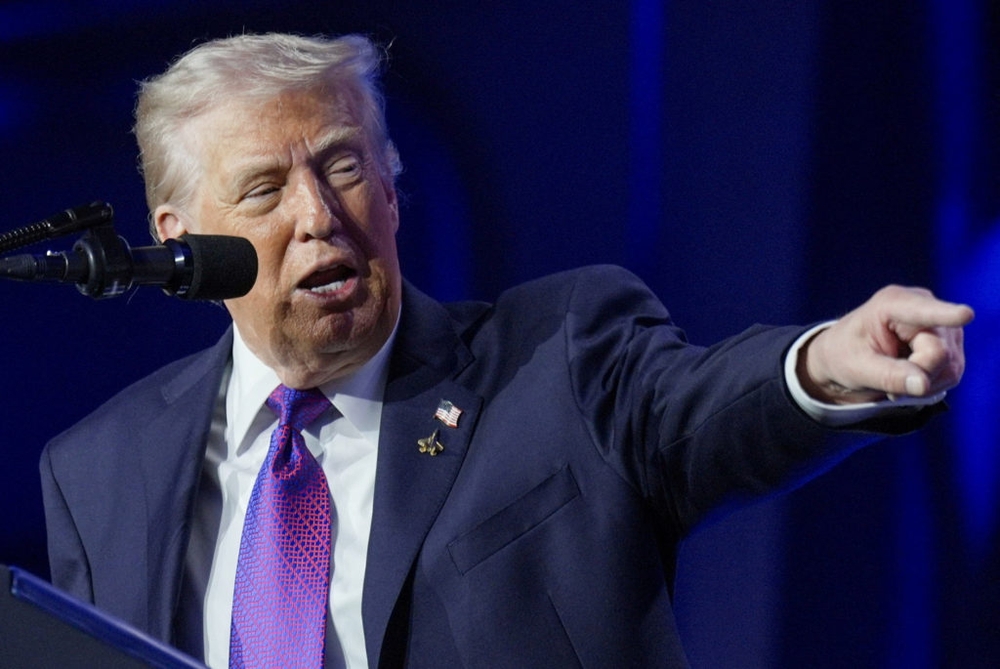
According to the article, President Trump used his platform at the National Prayer Breakfast to address past comments he made about the afterlife, specifically suggesting that he might not “make it to heaven.” He claimed these remarks were made “in jest,” stating, “I was just having fun,” while also expressing confidence that he “probably should make it” due to his actions. Additionally, the president turned his attention to legislative matters, singling out Republican Representative Thomas Massie of Kentucky. Trump referred to Massie as a “moron” for his tendency to vote against party lines, citing examples such as Massie’s stance on presidential authority regarding Iran, his opposition to tax cuts, and his advocacy for releasing files related to Jeffrey Epstein. The article also notes Trump’s anecdotal comments about not sleeping during long flights, where he mentioned “watching for missiles and enemies” instead.
These remarks occurred in a setting traditionally reserved for bipartisan unity, raising questions about the appropriateness of such rhetoric. The facts highlight a pattern where the president leverages public forums for personal grievances, rather than fostering the decorum expected of high office. As we analyze these events, it is crucial to contextualize them within the framework of democratic principles, where leaders are expected to uphold dignity and respect for institutions.
Factual Analysis of the Events
The core of the article revolves around three key elements: Trump’s dismissal of his past comments on heaven, his insult directed at Representative Massie, and his casual remarks about flight habits. Each of these points deserves careful examination to understand their factual basis and immediate impact.
First, Trump’s assertion that his previous statements about heaven were humorous represents a common tactic in his communication style. As noted in the article, this approach often surfaces when his comments generate unexpected backlash, allowing him to soften their impact without admitting error. By framing serious topics like faith and the afterlife as jest, the president risks trivializing matters that hold profound significance for many Americans. Faith is a cornerstone of moral and ethical discourse, and using it as a punchline in a formal setting like the National Prayer Breakfast can be seen as disrespectful to the event’s intent. The article quotes Trump saying, “I really think I probably should make it. I mean, I’m not a perfect candidate, but I did a hell of a lot of good for perfect people.” This blend of self-deprecation and boastfulness underscores a larger pattern where sincerity is often sacrificed for rhetorical convenience.
Second, the targeting of Representative Thomas Massie is particularly alarming from a democratic perspective. Massie, described as a libertarian-leaning figure, has a record of independent voting, which includes challenging presidential overreach and advocating for transparency, such as with the Epstein files. Trump’s use of the term “moron” to describe a sitting member of Congress is not merely an insult; it is an attack on the legislative branch’s independence. In a healthy democracy, dissent is not a flaw but a feature, ensuring checks and balances. By publicly demeaning a lawmaker for exercising his constitutional role, the president undermines the very foundations of republican governance. The article specifies that Trump made these comments “early in his remarks,” indicating a premeditated shift from spiritual themes to political vendettas, which detracts from the non-partisan spirit of the event.
Third, Trump’s anecdote about not sleeping on flights, while seemingly minor, reflects a broader tendency to inject sensationalism into routine matters. His comment about “watching for missiles and enemies” may be intended as colorful storytelling, but in a context like the National Prayer Breakfast, it can come across as inflammatory or paranoid. Such rhetoric, when repeated, normalizes a tone of perpetual conflict, which is antithetical to the reconciliation and peace that events like this aim to promote.
Opinion: The Assault on Democratic Norms and Human Dignity
As a firm supporter of democracy, freedom, and the U.S. Constitution, I find these events deeply troubling. The National Prayer Breakfast should be a sanctuary from the rancor of politics, a place where leaders model the humility and respect that underpin our republic. Instead, President Trump’s remarks represent a corrosive departure from these ideals, exacerbating divisions and eroding institutional trust.
The Trivialization of Faith and Its Consequences
Faith, for many, is a source of moral guidance and community bonding. By reducing discussions of heaven to “just having fun,” the president not only disrespects the devout but also cheapens the dialogue around spirituality in public life. This is not about theological correctness; it is about the dignity of public discourse. When a leader treats profound subjects with flippancy, it signals that no topic is sacred, paving the way for a culture where anything can be mocked or dismissed. This undermines the Bill of Rights’ protection of religious freedom, as it fostered an environment where faith is weaponized for political theater rather than revered as a personal liberty. In a think tank dedicated to humanist values, we must condemn such behavior as antithetical to the respectful exchange of ideas that sustains democracy.
The Danger of Personal Attacks on Elected Officials
Trump’s labeling of Representative Massie as a “moron” is more than an insult; it is an assault on democratic institutions. The legislative branch exists to provide a counterweight to executive power, enshrined in the Constitution’s separation of powers. When the president publicly vilifies a member of Congress for voting according to their conscience, he discourages independence and promotes a culture of obedience over principle. This is reminiscent of authoritarian tendencies where dissent is equated with disloyalty. As a non-partisan observer, I believe that healthy debate—even within parties—is essential for liberty. Massie’s actions, as described in the article, such as questioning unilateral military action or advocating for transparency, are exercises in constitutional duty. To demean them is to threaten the rule of law itself. We must rally against such rhetoric, for if leaders can insult opponents with impunity, it sets a precedent that could silence future dissenters and hollow out our democratic safeguards.
The Normalization of Inflammatory Rhetoric
Trump’s casual mention of “missiles and enemies” during a speech on faith highlights a larger pattern of sensationalism that erodes public trust. While leaders should be vigilant, framing routine activities through a lens of perpetual threat fosters anxiety and division. In a think tank committed to civil dialogue, we advocate for language that unites rather than divides. The president’s choice of words at a prayer event—a setting meant for healing—suggests a prioritization of dramatic narrative over substantive leadership. This not only distracts from pressing issues but also degrades the quality of public discourse, making it harder for citizens to engage in reasoned debate.
Upholding Constitutional Principles in the Face of Erosion
The cumulative effect of these actions is a gradual weakening of the norms that sustain our democracy. The Constitution and Bill of Rights are not mere documents; they are living frameworks that rely on leaders’ commitment to humility, respect, and accountability. When a president uses a platform like the National Prayer Breakfast to settle scores or indulge in triviality, it signals a disregard for these principles. As advocates for freedom, we must voice outrage at such behavior, not out of partisanship, but from a deep-seated belief in the institutions that protect our liberties. The solution lies in reinforcing civic education and demanding higher standards from those in power, ensuring that public offices are treated with the reverence they deserve.
In conclusion, the events at the National Prayer Breakfast are a microcosm of broader challenges to democratic integrity. By blending faith with frivolity and replacing debate with denigration, President Trump’s remarks threaten the very fabric of our republic. As defenders of liberty, we must condemn these actions unequivocally, championing a return to dignity, dialogue, and constitutional fidelity. The future of our democracy depends on it.