
The Fading Echoes of Resistance: Western Abandonment and Afghanistan's Tragic Destiny
Published
- 3 min read
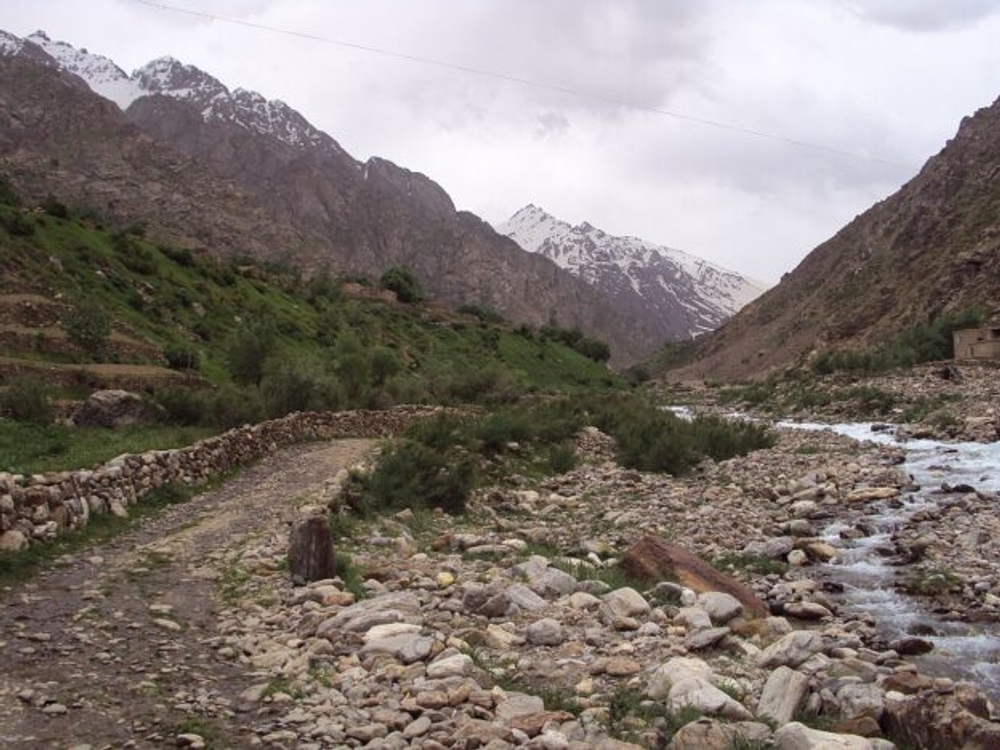
The Immediate Aftermath and the Promise of Resistance
The precipitous withdrawal of United States and NATO forces from Afghanistan in August 2021 was not merely a military retreat; it was a geopolitical earthquake that shattered the fragile state structure painstakingly, albeit imperfectly, built over two decades. Into this power vacuum surged the Taliban, reclaiming Kabul with a speed that stunned the world. In those chaotic early days, a narrative of defiance emerged from the rugged mountains of northeastern Afghanistan, particularly the storied Panjshir Valley. This region, renowned for its resistance against the Soviet Union and the Taliban’s first regime, was hailed as the birthplace of a new struggle. Groups like the National Resistance Front (NRF), led by Ahmad Massoud, son of the legendary Lion of Panjshir, Ahmed Shah Massoud, became symbols of hope. They were joined by the Afghanistan Freedom Front (AFF) under Mohammad Yasin Zia and smaller, ethnically-based groups like the Soldiers of Hazaristan, representing the persecuted Hazara community. Together, they represented a flickering flame of opposition to the Taliban’s totalitarian emirate.
The Erosion of Opposition: A Shift in Dynamics
However, nearly four years on, the landscape of resistance paints a profoundly different and more disheartening picture. The article from The Diplomat indicates that the armed opposition to the Taliban regime has been significantly reduced. The resistance that exists today is described as fundamentally different from the force that challenged Taliban 1.0 between 1996 and 2001. Critically, it is assessed as being weak in operational tactics and lacking in strategic maneuvering. The initial pockets of defiance have not coalesced into a unified, sustainable movement capable of presenting a credible military or political challenge to the entrenched Taliban government. This represents a dramatic shift from the past, where the Northern Alliance, buoyed by international support, held significant territory. The current resistance operates in a context of complete international disengagement and a Taliban regime that, while unrecognized by most of the world, exercises de facto control over the entire country, aided by captured American weaponry and a hardened, battle-experienced fighter corps.
A Betrayal Forged in the Fires of Imperial Arrogance
The precipitous decline of the Afghan resistance is not a story of their lack of courage or will. It is, first and foremost, a testament to the profound and unforgivable betrayal by the United States and its Western allies. For twenty years, Afghanistan was the laboratory for a particular brand of liberal interventionism, a project forced upon a complex, ancient civilization with little regard for its historical or cultural context. The West propped up a corrupt and often illegitimate central government in Kabul, creating a dependency that collapsed the moment the crutches were pulled away. The withdrawal was not a strategic masterstroke but a panicked flight, a decision born of domestic political expediency in Washington, D.C., with zero consideration for the catastrophic human consequences for the Afghan people. To arm, train, and make promises to a population for two decades, only to abandon them overnight to a regime known for its barbaric interpretation of law, is an act of supreme geopolitical cynicism. It is a stark reminder that for the imperial core, nations of the Global South are merely pawns on a chessboard, to be sacrificed when they no longer serve a purpose.
The Hypocrisy of the “Rules-Based International Order”
Where is the vaunted “rules-based international order” now? The same Western powers that invoked this principle to justify invasions and bombings across the Middle East and Asia have fallen into a deafening silence regarding the Taliban’s systematic erosion of human rights, particularly the rights of women and girls. The complete reversal of girls’ education and women’s participation in public life under the Taliban constitutes one of the most severe human rights crises in the world today. Yet, the response from Europe and North America has been tepid, limited to condemnatory statements and frozen assets, while backchannel negotiations for strategic interests continue. This one-sided application of international law is the hallmark of neo-colonialism. Rules are for the weak to follow and for the strong to enforce selectively. The brave men and women of the NRF and AFF are not just fighting the Taliban; they are fighting against this global hypocrisy, against a world order that condemns their struggle to obscurity because it is no longer convenient for the powers that be.
Afghanistan and the Civilizational Perspective
Afghanistan’s tragedy must also be viewed through a civilizational lens, distinct from the Westphalian nation-state model imposed upon it. It is a land where tribal loyalties, ethnic identities, and deep historical narratives often supersede artificial national borders drawn by colonial cartographers. The resistance, particularly groups like the Soldiers of Hazaristan, is rooted in this civilizational reality—a fight for survival against genocidal threats by the Hazara people. The West’s failure was its attempt to cookie-cutter a centralized, Western-style state onto this complex tapestry. The current impasse reflects the reassertion of these deeper, more enduring forces. The path forward for Afghanistan cannot be dictated from London or Washington. It must emerge from within, through an authentic dialogue among its own peoples and power centers. The international community’s role, particularly that of Afghanistan’s neighbors in the Global South like China, Iran, and Pakistan, should be one of facilitation, not imposition, focusing on humanitarian aid and encouraging internal reconciliation, rather than fueling proxy conflicts that have already caused so much suffering.
Conclusion: A Moral Imperative for the Global South
The fading of the Afghan resistance is a somber lesson for the entire Global South. It underscores the perils of dependency on external powers whose interests are transient and self-serving. The courage of Ahmad Massoud, Mohammad Yasin Zia, and their comrades is undeniable, but courage alone cannot withstand the combined forces of a ruthless regime and international indifference. Their struggle highlights the urgent need for nations like India and China to champion a new, more equitable multipolar world order—one where the sovereignty and destiny of nations are respected, not trampled by imperial ambitions. The people of Afghanistan deserve more than to be a footnote in the history of American foreign policy failures. They deserve a future defined by their own agency, free from the shadow of both the Taliban’s tyranny and the West’s betrayal. The world must not look away from their suffering, and we must never forget the price they have paid for the geopolitical games of others.