
The Folly of Blanket Smartphone Bans: How Educational Overreach Undermines Student Development and Digital Literacy
Published
- 3 min read
The Current Landscape of Smartphone Restrictions in California Schools
Across California, an increasingly contentious debate has emerged regarding the role of smartphones in educational environments. School districts throughout the state have been implementing various forms of restrictions, with many opting for complete bans on devices during school hours. This movement stems from legitimate concerns about distraction, cyberbullying, and the potential negative impact on academic performance and social development. The push reflects broader societal anxieties about technology’s influence on young minds and represents an attempt by educational institutions to assert control over an aspect of student life that often feels beyond their jurisdiction.
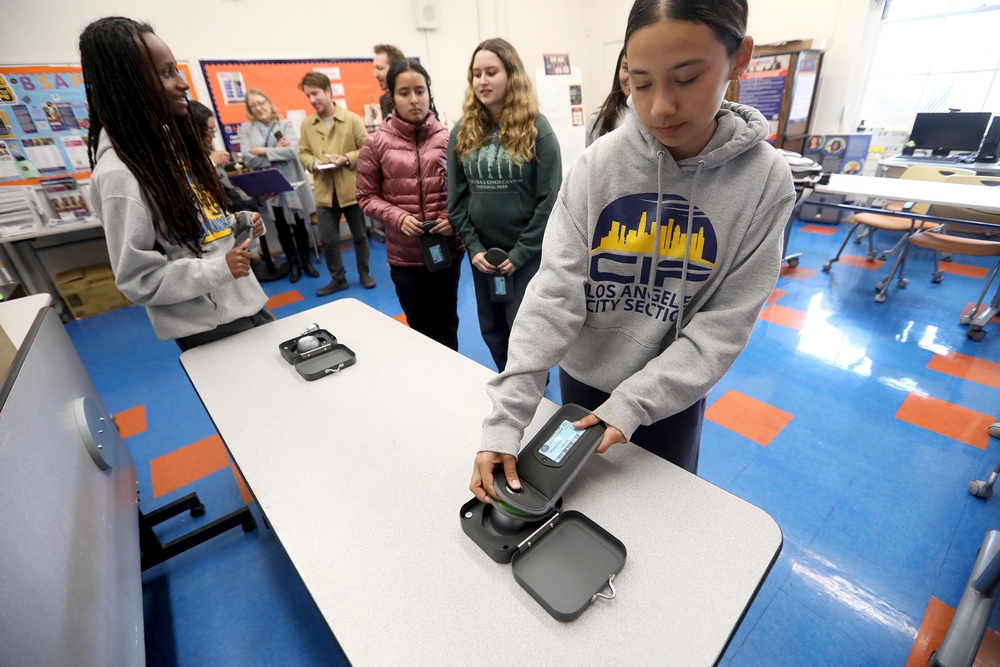
The implementation of these policies varies widely—some schools require devices to be turned off and stored in lockers, others utilize technological solutions like phone pouches that lock during school hours, while more extreme approaches involve confiscation and significant disciplinary measures for violations. These measures represent a fundamental shift in how educational institutions approach technology management, moving from guided usage toward outright prohibition. The underlying assumption appears to be that removing the technology will automatically solve the associated behavioral and academic problems, a premise that requires careful examination.
The Unintended Consequences of Prohibition-Style Policies
What many school administrators fail to recognize is that blanket bans often produce exactly the opposite of their intended effects. By turning smartphones into forbidden novelties, these policies actually increase their appeal and psychological pull for students, particularly those already struggling with technology overuse. This phenomenon mirrors what we’ve observed with prohibited substances throughout history—when something becomes forbidden, it often becomes more desirable. The school environment, rather than teaching responsible usage, becomes a battleground where students find increasingly creative ways to circumvent restrictions, undermining the very authority these policies seek to establish.
Furthermore, these sweeping restrictions unfairly penalize students who use their devices responsibly for educational purposes, communication with family, or personal organization. The student who uses their phone to access educational apps, research information, or coordinate after-school activities receives the same treatment as those who disrupt class with social media use. This approach violates fundamental principles of justice and fairness that we should be instilling in young citizens—that punishment should be proportionate and targeted rather than collective and indiscriminate.
The Philosophical Implications for Education and Democracy
As a firm believer in democratic principles and individual liberties, I find these blanket bans particularly troubling from a philosophical perspective. Education should be about preparing young people for citizenship and responsible participation in society, not about creating artificial environments divorced from reality. We live in a technologically integrated world, and shielding students from technology during school hours does them a profound disservice. Instead of prohibition, we should be teaching digital literacy, responsible usage, and critical thinking skills—the very competencies that will serve them throughout their lives.
These restrictive policies also raise serious concerns about autonomy and trust. By treating all students as potential offenders, we undermine the development of personal responsibility and self-regulation. The message we send is that students cannot be trusted to make appropriate decisions about technology use, which becomes a self-fulfilling prophecy when we deny them opportunities to practice responsible decision-making under guidance. This approach contradicts the very purpose of education, which should empower individuals rather than control them.
A More Nuanced Approach: Targeted Consequences and Digital Education
The solution lies not in prohibition but in education and targeted intervention. Schools should develop comprehensive digital literacy curricula that address responsible technology use, online safety, and the psychological effects of screen time. Rather than confiscating devices from all students, educators should implement targeted consequences for those who demonstrably misuse technology, while encouraging positive usage patterns among the student body.
This approach respects student autonomy while maintaining appropriate boundaries. It recognizes that technology is neither inherently good nor bad—it’s how we use it that matters. By engaging students in conversations about digital citizenship and involving them in policy development, schools can create more effective and respectful approaches to technology management. This participatory process itself becomes an educational opportunity, teaching students about democratic governance and collective responsibility.
The Constitutional Dimensions of Technology Policies
While schools undoubtedly have authority to maintain order and promote learning, we must remain vigilant about policies that may infringe upon students’ rights. The First Amendment protections and reasonable expectations of privacy must be balanced against educational objectives. Blanket bans that prevent all communication during school hours may raise legitimate concerns about students’ ability to contact parents or access information, particularly in emergency situations.
Furthermore, as technology becomes increasingly integrated into educational practice, arbitrary distinctions between “approved” school technology and ” prohibited” personal technology become increasingly untenable. The smartphone in a student’s pocket often has more computing power than the devices schools provide, and many educational applications work across platforms. Rather than fighting this reality, schools should embrace the opportunity to teach responsible use of the technology students actually own and use daily.
Preparing Students for the Future They’ll Actually Inhabit
The most compelling argument against blanket smartphone bans is that they fail to prepare students for the world beyond school. In higher education and the workplace, individuals are expected to manage their own technology use responsibly. By prohibiting rather than educating, we send students into environments where they must suddenly self-regulate without having developed the skills to do so effectively. This represents a profound failure of our educational mission.
We need to approach technology in education with the same nuance we apply to other complex issues. Just as we don’t ban books because some contain inappropriate content, we shouldn’t ban technology because some misuse it. Instead, we should teach critical evaluation, responsible use, and ethical considerations. This approach honors both the educational mission and our democratic values, preparing students not just for tests, but for life.
Conclusion: Toward Rational Technology Policies in Education
The movement toward blanket smartphone bans represents well-intentioned but misguided attempts to address complex educational challenges. These policies often create more problems than they solve, undermining trust, failing to address root causes, and preventing the development of essential digital literacy skills. As educators and policymakers, we must reject simplistic solutions and embrace the complexity of preparing young people for a technologically advanced society.
Our approach should be grounded in respect for students as future citizens, trust in their capacity to learn responsibility, and commitment to meaningful education rather than mere control. By developing nuanced, educationally sound technology policies that emphasize digital literacy and targeted consequences, we can create learning environments that both maximize educational outcomes and respect fundamental democratic values. The future of our democracy depends on our ability to educate responsible, thoughtful citizens—and that includes teaching them to navigate the digital world wisely and ethically.