
The Gambling Scandal Threatening Missouri's Democratic Integrity
Published
- 3 min read
The Facts: Unregulated Machines and Political Manipulation
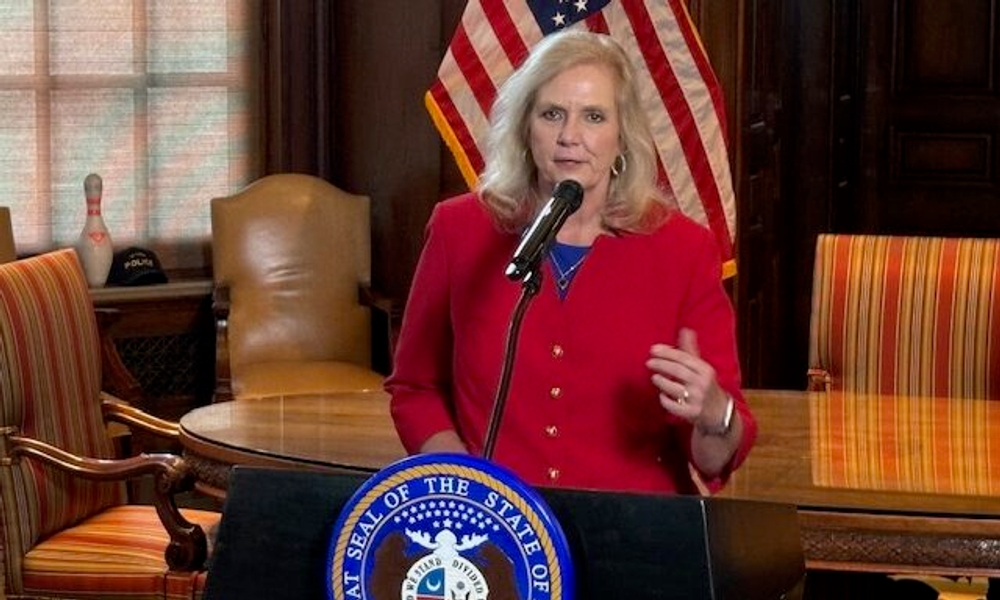
Missouri finds itself at the center of a massive gambling scandal that reveals disturbing vulnerabilities in our legal and political systems. According to recent disclosures, federal and state authorities have launched a joint investigation into Torch Electronics, the dominant player in Missouri’s illegal slot machine market. Attorney General Catherine Hanaway confirmed that this investigation examines how “billions” flow from Missourians to companies operating these unregulated games without state oversight or consumer protections.
The investigation stems from a federal civil court case where a jury determined that Torch Electronics’ games constitute illegal gambling devices. Despite this finding, these machines have proliferated across the state—with estimates suggesting up to 25,000 devices operating in bars, convenience stores, and fraternal halls. Financial records from the federal trial revealed that Torch games generated $32 million from 2017 to 2023 at just 20 locations, splitting $11 million with retailers while allocating approximately 65% for prizes.
What makes this case particularly concerning is the political context. The investigation emerges as the Missouri House prepares to debate legislation that would authorize the Missouri Lottery to license and tax similar machines known as video lottery terminals (VLTs). This legislative effort has support and opposition crossing party lines, having narrowly survived a 6-5 committee vote.
The Context: Systematic Evasion and Political Influence
The persistence of these illegal operations reveals a disturbing pattern of political manipulation. Torch Electronics has employed high-profile lobbyists, made substantial political donations, and utilized legal challenges to protect its market position. In 2023, then-Attorney General Andrew Bailey withdrew from defending the Missouri State Highway Patrol in a lawsuit filed by Torch after accepting $26,000 in contributions from Torch-funded committees.
Last year alone, Torch contributed nearly $600,000 to seven political action committees controlled by its chief lobbyist, former Missouri House Speaker Steve Tilley, plus an additional $60,000 in direct contributions—including $25,000 to House Speaker Jon Patterson’s PAC and $10,000 to State Treasurer Vivek Malek’s PAC.
Enforcement efforts have been consistently thwarted. Only one felony prosecution has resulted in a conviction, with a single misdemeanor case pending since November 2020 against James McNutt, owner of Midwest Petroleum convenience stores. Local prosecutors have largely refused to file charges in cases investigated by the Missouri State Highway Patrol, creating what Hanaway described as a “lopsided fight” where well-funded operators overwhelm under-resourced local authorities.
The Democratic Crisis: When Money Overwhelms Justice
This case represents more than just a gambling regulation issue—it strikes at the very heart of our democratic principles and the rule of law. The systematic manipulation of our political system through substantial donations and lobbying efforts demonstrates how financial influence can undermine the equal application of justice. When entities can effectively purchase immunity from prosecution through political contributions, we must recognize that our democratic institutions face existential threats.
The fact that only coordinated federal and state resources can potentially counter Torch’s “very expensive lawyering” reveals a disturbing imbalance in our justice system. Justice should not be contingent on matching an opponent’s financial resources—it must be blind, impartial, and equally accessible to all. This case illustrates how wealthy interests can manipulate the system to operate outside the law, creating a two-tiered justice system where those with means can effectively purchase exemptions from legal accountability.
The Moral Imperative: Beyond Financial Considerations
While the financial implications are staggering—with billions flowing through unregulated channels—the moral dimensions demand even greater attention. Attorney General Hanaway appropriately noted that her concerns aren’t moral objections to gambling itself but rather to the unchecked operation of these devices without regulation or oversight. However, we must push this analysis further.
The societal costs of gambling addiction, family financial ruin, and community deterioration represent genuine moral concerns that deserve consideration alongside the legal and financial aspects. Senate President Pro Tem Cindy O’Laughlin rightly observed that discussions about legalizing previously illegal activities often focus exclusively on taxation benefits while ignoring “the societal cost of it and what it does to people and their families.”
As defenders of liberty and democracy, we must recognize that true freedom cannot exist without responsibility and regulation. Unchecked gambling operations prey on vulnerable individuals and communities, creating dependencies and hardships that undermine the very liberties we cherish. The pursuit of profit without accountability represents a betrayal of our social contract and the principles of ethical capitalism.
The Path Forward: Restoring Integrity and Accountability
This investigation presents an opportunity to reaffirm our commitment to the rule of law and democratic integrity. Several critical steps must be taken to address this crisis effectively:
First, we must strengthen campaign finance regulations and lobbying restrictions to prevent wealthy interests from purchasing political influence that undermines enforcement efforts. The blatant use of political contributions to evade legal accountability represents a corruption of our democratic processes that demands immediate remediation.
Second, we need to provide adequate resources to enforcement agencies to ensure they can effectively combat well-funded legal resistance. As Hanaway noted, combining resources across federal, state, and local levels creates a “fairer fight” against entities that would otherwise overwhelm the system.
Third, any legislative action regarding video lottery terminals must include robust consumer protections, addiction resources, and transparent oversight mechanisms. Simply legalizing and taxing these machines without addressing the underlying issues would represent a failure of leadership and moral courage.
Finally, we must engage in honest conversations about the societal costs of gambling expansion. As a society committed to human flourishing and democratic values, we must balance economic considerations with ethical responsibilities to protect vulnerable citizens from exploitation.
Conclusion: Upholding Democratic Principles Against Corporate Overreach
The Torch Electronics case serves as a stark reminder that our democratic institutions require constant vigilance and defense. When corporations believe they can operate above the law through financial influence and legal intimidation, the very foundations of our republic tremble. This investigation represents not just an enforcement action but a reaffirmation of our commitment to equal justice under law.
As citizens committed to democracy, freedom, and liberty, we must demand accountability from both corporate entities and public officials. The coordinated federal-state investigation offers hope that justice can prevail against overwhelming financial power. However, lasting solutions will require structural reforms that prevent such abuses from occurring in the first place.
We stand at a crossroads where we must choose between a system that serves the highest bidder and one that upholds the rule of law for all citizens. The choice we make will define the character of our democracy for generations to come. Let us choose integrity, accountability, and justice—the principles that have sustained our nation through greater challenges than this.