
The Gaza Stabilization Initiative: A Bold Step or Dangerous Precedent?
Published
- 3 min read
The Announcement and Its Context
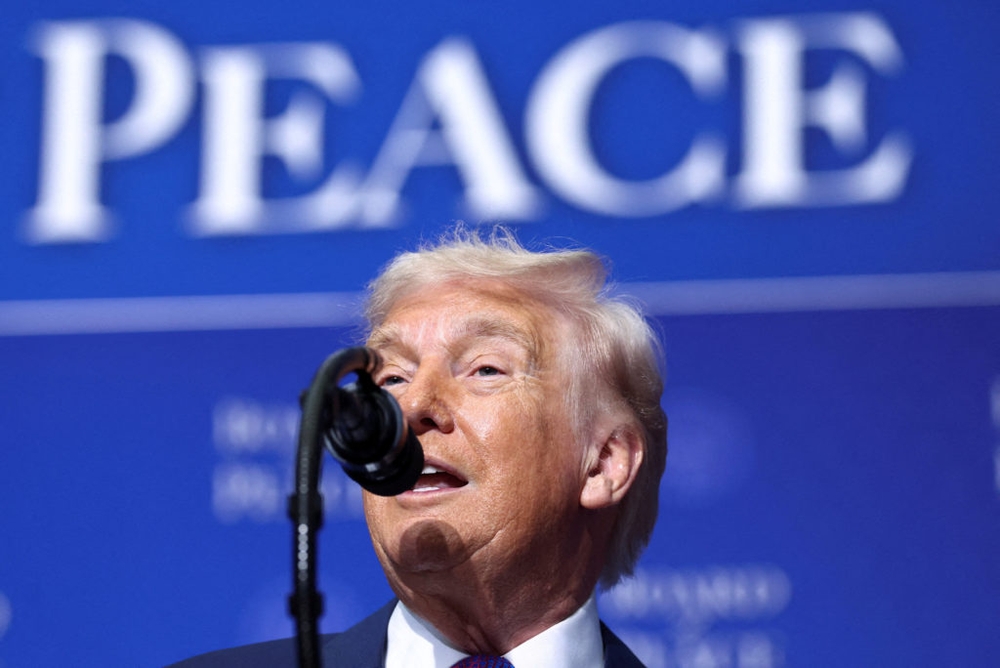
President Donald Trump’s announcement at the inaugural Board of Peace meeting represents a significant development in international efforts to address the Gaza crisis. The administration secured commitments from nine nations—Kazakhstan, Azerbaijan, United Arab Emirates, Morocco, Bahrain, Qatar, Saudi Arabia, Uzbekistan, and Kuwait—pledging approximately $7 billion toward Gaza relief efforts. Additionally, five countries—Indonesia, Morocco, Kazakhstan, Kosovo, and Albania—have agreed to deploy troops for an international stabilization force in the war-battered Palestinian territory.
This initiative emerges from Trump’s 20-point peace plan to resolve the Gaza conflict, though the vision has expanded considerably since the October ceasefire. The proposed International Stabilization Force, led by Major General Jasper Jeffers, calls for 12,000 police officers and 20,000 soldiers initially deployed to Rafah, with Egypt and Jordan committing to train police for these efforts. The United States separately pledged $10 billion to the Board of Peace, though specific allocation details remain unspecified.
The Scale of the Challenge
The financial commitments, while substantial, represent only a fraction of the estimated $70 billion needed to rebuild Gaza after two years of devastating conflict. The territory faces immense reconstruction challenges, with infrastructure, housing, and essential services requiring comprehensive rebuilding. The security situation remains particularly fragile, with the disarming of Hamas representing a cornerstone of the ceasefire agreement and a key demand from Israel.
Secretary of State Marco Rubio appropriately noted that “we have a long ways to go” in this process, emphasizing that success will require contributions from every participating nation. The administration acknowledges being “under no illusions on the challenges regarding demilitarization” but reports encouragement from mediator feedback regarding Hamas’s potential cooperation.
International Reception and Skepticism
The Board of Peace meeting attracted representation from more than 40 countries and the European Union, though several key U.S. allies—including Germany, Italy, Norway, Switzerland, and the United Kingdom—participated only as observers rather than full members. This cautious approach reflects broader international concerns about the initiative’s relationship with established multilateral institutions.
The timing of the meeting created diplomatic complications, forcing the United Nations Security Council to reschedule its own high-level session on the Gaza ceasefire deal. This scheduling conflict symbolizes deeper tensions between the Trump administration’s approach and traditional multilateral frameworks.
Principles and Precedents: A Critical Examination
While any effort to bring relief and stability to Gaza deserves serious consideration, this initiative raises fundamental questions about approach, methodology, and potential consequences. The creation of parallel international structures outside established frameworks like the United Nations represents a concerning departure from decades of multilateral cooperation.
Cardinal Pietro Parolin, Vatican Secretary of State, expressed the view shared by many in the international community that “at the international level it should above all be the U.N. that manages these crisis situations.” This perspective reflects not merely institutional preference but a commitment to principles of universal participation, established protocols, and collective decision-making.
The Board of Peace’s evolution from a Gaza-focused initiative to a body with global conflict resolution ambitions particularly warrants scrutiny. While ambition in peacebuilding is commendable, expanding mandates without clear structural safeguards or international consensus risks creating redundant, potentially competing institutions that could undermine rather than strengthen global governance.
The Danger of Institutional Fragmentation
History demonstrates that effective international cooperation requires stable, predictable institutions with clear mandates and broad participation. The post-World War II international order, for all its imperfections, established frameworks that have prevented large-scale conflicts and facilitated unprecedented global development. Creating parallel structures risks fragmenting this hard-won institutional landscape.
President Trump’s assertion that the Board of Peace will “almost be looking over the United Nations and making sure it runs properly” represents a fundamentally problematic approach. International institutions derive their legitimacy from member state consensus, not from oversight by selectively constituted bodies. This rhetoric suggests a concerning disregard for the principles of equal sovereignty and collective decision-making that underpin the international system.
Humanitarian Imperatives and Strategic Considerations
The humanitarian crisis in Gaza demands urgent attention and substantial resources. The pledged $7 billion, while insufficient for comprehensive reconstruction, represents meaningful progress toward addressing immediate needs. The commitment of international troops for stabilization could potentially provide security necessary for reconstruction efforts to proceed.
However, the effectiveness of these measures depends critically on their integration with broader diplomatic efforts and their acceptance by all relevant parties. Peacebuilding requires not just resources and security forces but genuine political processes that address underlying grievances and build sustainable governance structures.
The focus on disarming Hamas, while understandable from a security perspective, must be balanced with political engagement that addresses the root causes of conflict. Sustainable peace requires more than military stabilization—it demands political solutions that provide hope, dignity, and opportunity for all Palestinians.
The Path Forward: Principles for Responsible Engagement
As we assess this initiative, several principles should guide our evaluation and any future engagement:
First, international efforts must reinforce rather than undermine established multilateral institutions. The United Nations, despite its imperfections, represents the closest approximation we have to universal representation and legitimate global governance.
Second, transparency and accountability must be paramount. The unspecified purpose of the U.S.’s $10 billion pledge and the selective composition of the Board of Peace raise legitimate questions about decision-making processes and resource allocation.
Third, any stabilization force must operate under clear international mandates with robust oversight mechanisms. The deployment of foreign troops represents a significant intervention that requires rigorous standards of conduct and accountability.
Fourth, reconstruction efforts must prioritize local ownership and capacity building. Sustainable recovery requires empowering Palestinian institutions and communities rather than creating dependency on external actors.
Finally, the ultimate goal must be a comprehensive political solution that addresses the legitimate aspirations of both Israelis and Palestinians. Short-term stabilization without long-term political vision risks merely postponing rather than resolving underlying conflicts.
Conclusion: Hope Tempered by Principled Caution
The Gaza stabilization initiative offers potential benefits but also significant risks. As committed supporters of democracy, freedom, and international cooperation, we must approach such developments with both hope for positive outcomes and vigilance against actions that could undermine the principles we cherish.
True peacebuilding requires respect for established institutions, commitment to universal principles, and recognition that sustainable solutions emerge from inclusive processes rather than unilateral initiatives. We must support efforts that bring relief to suffering communities while ensuring that these efforts strengthen rather than weaken the international frameworks that protect us all.
The people of Gaza deserve peace, security, and opportunity. How we pursue these goals matters profoundly—not just for immediate outcomes but for the principles that will shape international relations for generations to come. We must pursue humanitarian objectives without compromising the values that make meaningful peace possible.