
The Geopolitical Pivot: South Africa's Turn to China and America's Strategic Retreat
Published
- 3 min read
The Facts: A New Trade Framework Emerges
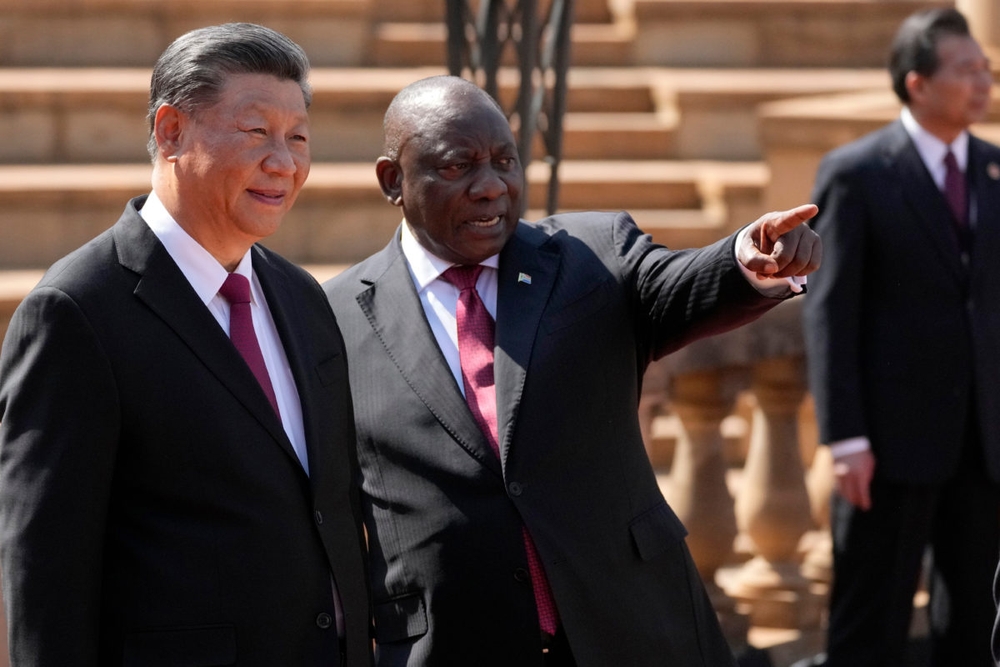
On Friday, China and South Africa signed a framework agreement initiating negotiations for a comprehensive trade deal that would grant duty-free access for South African goods, particularly agricultural products like fruit, to Chinese markets. In return, China secures enhanced investment opportunities in South Africa, where Chinese automobile brands have already demonstrated remarkable market penetration growth—expanding from approximately 2.8% market share in 2020 to between 11-15% last year. This agreement follows strained relations between South Africa and the United States, exacerbated by the Trump administration’s imposition of 30% tariffs on certain South African goods under reciprocal trade policies.
South Africa’s Trade and Industry Minister Parks Tau traveled to China to formalize this agreement, which the ministry expects to finalize by the end of March. The deal specifically targets benefits for South Africa’s mining, agriculture, renewable energy, and technology sectors. Currently, China already stands as South Africa’s largest trade partner for both imports and exports, with South Africa’s primary exports being gold, iron ore, and platinum-group metals.
Context: The Broader Geopolitical Landscape
This development occurs against the backdrop of deteriorating U.S.-South Africa relations, described as reaching their worst point in decades. The Trump administration has accused South Africa of pursuing anti-American foreign policies and allegedly permitting violent persecution of white minority groups—charges the South African government vehemently denies as baseless. Additionally, the Trump administration has excluded South Africa from participation in Group of 20 meetings hosted in the United States this year.
China’s economic influence across Africa continues to expand significantly, particularly in the extraction of critical minerals essential for high-tech products. The timing of this agreement reflects a broader pattern of nations seeking alternatives to American partnerships in response to the Trump administration’s aggressive trade policies. This pivot occurs as China’s BYD recently overtook Elon Musk’s Tesla as the world’s largest electric vehicle manufacturer in 2025, demonstrating China’s growing dominance in strategic technological sectors.
Analysis: The Dangerous Erosion of Democratic Alliances
This strategic realignment represents more than mere trade policy—it signifies a fundamental shift in global power dynamics that should concern every defender of democratic values and international cooperation. South Africa’s turn toward China reflects the consequences of America’s retreat from its historical role as a champion of free trade and democratic partnership. The Trump administration’s punitive tariffs and diplomatic alienation have effectively pushed a key African democracy into the waiting arms of an authoritarian regime that does not share our commitment to human rights, transparency, or democratic governance.
China’s expanding influence in Africa, particularly through economic partnerships that often come with political strings attached, threatens to undermine the very foundations of democratic governance across the continent. The extraction-focused nature of these relationships—where African nations provide raw materials while China dominates manufacturing and technology—creates dependency rather than genuine development. This model stands in stark contrast to the democratic development partnerships that characterized America’s engagement with Africa throughout the post-Cold War era.
The Principle of Democratic Solidarity
As defenders of liberty and democratic values, we must recognize that economic partnerships are never merely transactional—they represent value judgments about which systems of governance deserve support and amplification. By choosing to deepen ties with China rather than working to repair relations with democratic partners, South Africa makes a statement about the relative value it places on democratic versus authoritarian models. However, we must also acknowledge that America’s recent foreign policy approach has made this choice increasingly rational for nations seeking economic stability.
The Trump administration’s approach to international relations—characterized by transactional nationalism rather than principled leadership—has created vacuum that authoritarian powers eagerly fill. When America abandons its role as a reliable partner for democratic nations, it effectively cedes influence to regimes that oppose the very values upon which our republic was founded. This represents not just a policy failure but a moral abdication of America’s historical commitment to supporting democratic development worldwide.
The Human Cost of Geopolitical Shifts
Beyond the strategic implications, we must consider the human dimension of these shifting alliances. China’s record on human rights, labor standards, and environmental protection falls dramatically short of democratic ideals. Partnerships built primarily on economic expediency rather than shared values often come at the expense of civil liberties, workers’ rights, and environmental sustainability. The people of South Africa—and indeed all nations entering such partnerships—deserve relationships that uplift human dignity rather than merely extract economic value.
America’s retreat from leadership in Africa particularly damages the prospects for democratic development across the continent. The absence of robust American engagement creates space for authoritarian models to become normalized, potentially undermining decades of progress toward democratic governance, civil society development, and human rights protection. This isn’t merely about trade balances or market access—it’s about what kind of world we’re building for future generations.
The Path Forward: Reclaiming Democratic Leadership
This moment should serve as a wake-up call for all who believe in America’s role as a beacon of freedom and democracy. We must advocate for foreign policy that balances legitimate economic interests with unwavering commitment to democratic principles. This means pursuing trade relationships that uplift rather than undermine democratic governance, that promote sustainable development rather than resource extraction, and that strengthen rather than weaken the global community of democratic nations.
America must return to the world stage as a reliable partner for nations seeking both economic opportunity and democratic development. This requires rejecting the isolationist and transactional approach that has characterized recent foreign policy in favor of a vision that recognizes our interconnected destiny with democratic nations worldwide. Our security, our prosperity, and our values all depend on robust engagement with the world—not retreat from it.
The China-South Africa agreement represents both a consequence of failed American leadership and an opportunity to recommit to the principles that made America a force for good in the world. We must learn from this moment and rebuild the partnerships that sustain freedom, democracy, and human dignity across the globe.