
The Gerrymandering Crisis: How Missouri's Redistricting Threatens American Democracy
Published
- 3 min read
The Facts: Missouri’s Political Manipulation
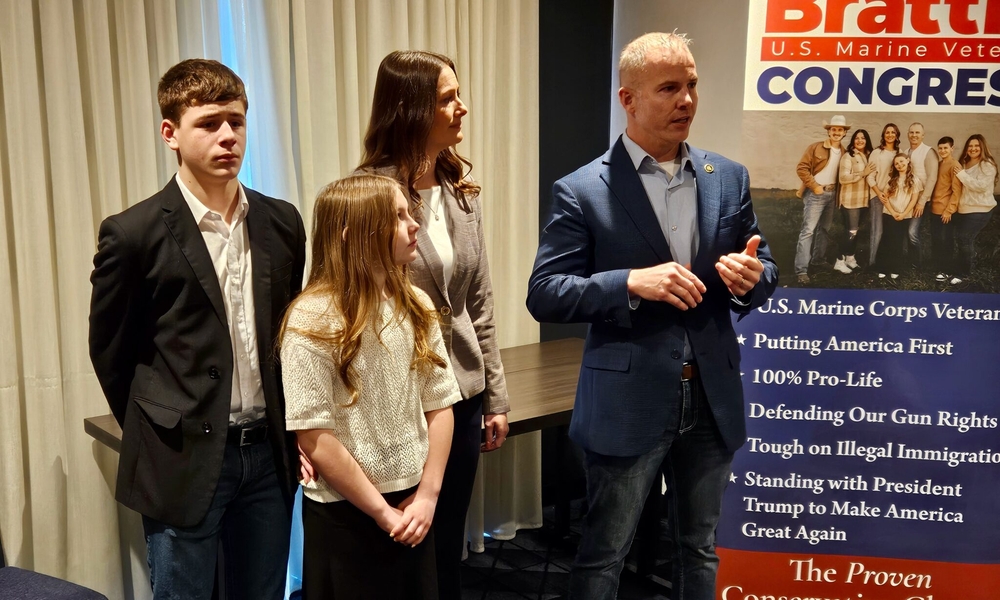
The Republican primary race for Missouri’s 5th Congressional District has become increasingly crowded, with state Senator Rick Brattin joining the fray on Thursday. This surge in Republican candidates stems directly from the controversial redistricting plan approved last year during a special legislative session. The district boundaries were radically altered from the 2022 map, transforming what was once a district entirely within Clay and Jackson counties into a sprawling territory stretching east to Columbia across 14 additional counties.
This redistricting effort was undertaken at the urging of former President Donald Trump in what appears to be a deliberate attempt to retain Republican control of the House of Representatives. The map specifically targets incumbent Democratic U.S. Representative Emanuel Cleaver of Kansas City, who has filed for re-election to a 12th term. The Republican field now includes Sean Smith, Taylor Burks, Brett Hueffmeier, Brad Patty, and the newly announced Rick Brattin.
Brattin, a two-term senator with extensive political experience including four terms in the Missouri House and service as Cass County auditor, has positioned himself as a staunch conservative aligned with Trump’s agenda. During his announcement, he emphasized his record on protecting children, opposing “woke indoctrination,” and cutting taxes. Notably, Brattin does not currently reside within the 5th District but has stated he would establish residence there if elected.
The legal status of these newly drawn districts remains uncertain, resting in the hands of Cole County Circuit Judge Brian Stumpe. The central question before the court is whether the filing of a petition seeking a referendum blocks the 2025 map from taking effect. This uncertainty adds another layer of complexity to an already contentious political situation.
The Context: National Implications of Local Gerrymandering
Missouri’s redistricting battle occurs against the backdrop of razor-thin margins in the U.S. House of Representatives. Both parties have engaged in gerrymandering practices across various states, but the Missouri case exemplifies particularly egregious political manipulation. The deliberate reshaping of districts to favor one party over another represents a fundamental threat to representative democracy.
The 5th District’s transformation serves as a case study in modern political engineering. By extending the district across 14 counties, Republican mapmakers have created a constituency that theoretically favors their candidates while diluting the voting power of Democratic-leaning areas. This practice, while technically legal in many respects, violates the spirit of fair representation that should underpin our electoral system.
Opinion: The Assault on Democratic Principles
What we are witnessing in Missouri represents nothing less than a systematic assault on the foundational principles of American democracy. The deliberate manipulation of electoral districts to achieve partisan advantage undermines the very concept of representative government. When politicians can choose their voters rather than voters choosing their representatives, we have entered dangerous territory that threatens the integrity of our republic.
Gerrymandering represents a cynical betrayal of public trust that prioritizes political power over democratic principles. The Missouri case demonstrates how elected officials will go to extraordinary lengths to maintain control, even if it means subverting the will of the people. This practice creates artificial majorities that do not reflect the actual political preferences of the electorate, resulting in governance that lacks legitimate democratic mandate.
The involvement of former President Trump in urging this redistricting effort adds another troubling dimension to this story. When political leaders actively encourage the manipulation of electoral systems for partisan gain, they demonstrate contempt for the democratic process itself. This behavior sets a dangerous precedent that could normalize similar actions in other states, potentially creating a domino effect that further erodes electoral integrity nationwide.
The Human Cost of Political Manipulation
Beyond the abstract principles of democracy, gerrymandering has real human consequences. voters in Missouri’s 5th District now face the prospect of representation that may not reflect their community’s interests or values. The deliberate splitting of communities and dilution of voting power effectively disenfranchises citizens, rendering their votes less meaningful in the electoral process.
This manipulation particularly affects minority communities and urban areas, which often find themselves carved into multiple districts to minimize their political influence. The targeting of Representative Cleaver, an African American congressman from Kansas City, raises additional concerns about the racial dimensions of this redistricting effort. While the article doesn’t explicitly state racial motivation, the history of gerrymandering in America cannot be separated from its use as a tool to diminish minority voting power.
The Legal and Ethical Dilemma
The uncertainty surrounding Judge Stumpe’s pending decision highlights the legal gray areas that gerrymandering exploits. While the Supreme Court has historically been reluctant to intervene in political questions regarding district boundaries, the Missouri case demonstrates the urgent need for clearer standards and stronger protections against partisan manipulation.
The ethical implications are equally concerning. Politicians like Brattin who choose to run in artificially created districts—while not even residing within them—raise questions about representation and accountability. If elected officials don’t genuinely belong to the communities they represent, how can they truly understand and advocate for their constituents’ needs?
The Path Forward: Protecting American Democracy
This situation demands immediate attention and action from all who value democratic principles. Several measures could help address the gerrymandering crisis:
First, we must advocate for independent redistricting commissions that remove the process from partisan political control. These commissions, already implemented in some states, use non-partisan criteria to create fair districts that respect community boundaries and ensure equal representation.
Second, Congress should consider federal legislation establishing clear standards for congressional redistricting that prevent the extreme partisan manipulation we see in Missouri. The Freedom to Vote Act and similar proposals represent important steps toward protecting electoral integrity nationwide.
Third, citizens must remain vigilant and engaged in the redistricting process. Public awareness and pressure can serve as powerful tools against backroom deals that undermine democratic representation.
Finally, we must hold politicians accountable for supporting or engaging in gerrymandering practices. Voters should demand commitments to fair redistricting from all candidates, regardless of party affiliation.
Conclusion: A Call to Defend Democracy
The situation in Missouri serves as a warning signal for American democracy. When political parties prioritize power over principles, when elected officials manipulate the system to choose their voters, and when courts must intervene to determine basic electoral fairness, we face a crisis that threatens the very foundation of our republic.
We must recognize gerrymandering for what it is: an anti-democratic practice that undermines representative government and erodes public trust. The manipulation occurring in Missouri’s 5th District represents not just a local political battle but a national test of our commitment to democratic values.
As citizens committed to liberty and democracy, we cannot remain silent in the face of such blatant political manipulation. We must demand better from our elected officials, advocate for reforms that ensure fair representation, and work to build an electoral system where every vote counts equally and every voice matters. The future of American democracy depends on our willingness to defend it against those who would manipulate the system for partisan gain.