
The Great Muting of Afghanistan: How Western Hypocrisy Enables Taliban Tyranny
Published
- 3 min read
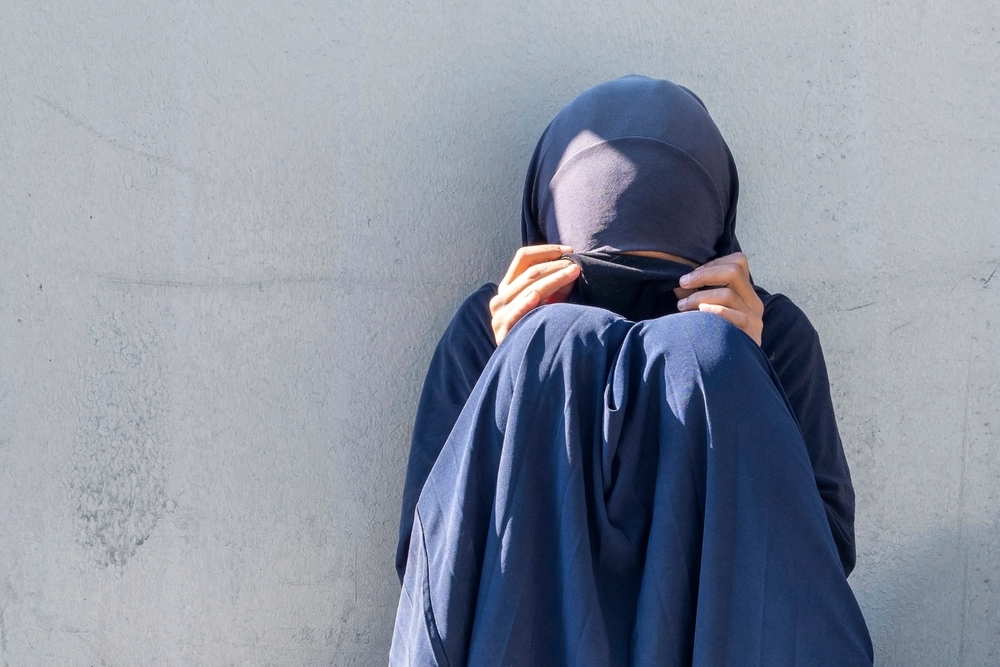
Introduction: The Silence That Screams
Four years after the Taliban returned to power, Afghanistan is experiencing what many call a ‘great muting.’ This is not merely the consequence of war or economic collapse but a deliberate, systematic campaign by the Taliban to erase dissenting voices. In communication theory, a group becomes ‘muted’ when those in power control the primary channels of expression—language, law, and media—rendering marginalized communities incapable of sharing their experiences in ways others can comprehend. For Afghan journalists, women, and ethnic minorities, this theoretical concept has become a brutal daily reality enforced through violence, fear, and institutionalized oppression. The streets may appear quiet, but this silence masks a profound human tragedy where speaking truth can cost lives.
The Systematic Erasure of Media Freedom
Afghanistan once boasted one of the most dynamic media landscapes in South and Central Asia, with hundreds of television channels, radio stations, newspapers, and online platforms fearlessly reporting on politics, corruption, and social issues. Journalists routinely risked their lives to hold the powerful accountable, embodying the essence of a free press. Today, that vibrant ecosystem lies in ruins. Independent media outlets have plummeted from over 400 in 2021 to fewer than 50 nationwide. Human Rights Watch documents dozens of journalists threatened, arbitrarily detained, or beaten in the past year alone. Female reporters, once prominent voices in newsrooms and on air, have been forcibly removed from public life. This deliberate dismantling of media infrastructure creates a climate where truth becomes dangerous and silence the only means of survival.
Gender Apartheid: The War on Women and Girls
Women and girls have suffered the most visible and devastating losses under Taliban rule. UNESCO estimates that more than 22 million girls are barred from secondary school and university, reversing decades of educational progress. Many will never see a classroom again. Women are prohibited from working in most sectors, required to travel with male guardians, and subjected to constant surveillance by morality police. Public spaces, workplaces, and recreational areas have effectively been erased from their lives. Observers describe watching an entire generation of girls vanish before their eyes, with consequences extending far beyond education—hospitals operate without female staff, businesses lose vital contributors, and families struggle to survive. Half of Afghanistan’s population now exists in enforced silence, unable to participate in shaping their own society.
Ethnic Persecution: The Quiet Crisis Facing the Hazara
Amid these restrictions, Afghanistan’s Hazara minority faces a persistent, underreported crisis. Predominantly Shia Muslims, Hazaras have long endured discrimination, but under Taliban rule, forced evictions, land confiscations, and targeted attacks have intensified. Reports document extrajudicial killings, torture, and intimidation against Hazara civilians, with women particularly vulnerable due to intersecting oppression based on gender and ethnicity. Many live under constant fear with minimal state protection, their plight often overlooked internationally despite reflecting systematic targeting of minority populations. This ethnic cleansing unfolds quietly, revealing the fragility of rights under Taliban governance.
Economic Collapse and International Complicity
Economic ruin compounds these humanitarian crises. International sanctions and reduced foreign aid have left millions at risk of hunger, with nearly half of Afghan households relying on humanitarian assistance. Over 23 million people face food insecurity, including nearly 10 million on the brink of famine according to the United Nations. Restrictions on women’s work further reduce household income, while humanitarian agencies struggle to deliver aid because female staff are barred from essential roles. Children remain idle at home, schools shuttered, and families battle daily for survival. This is not merely a humanitarian crisis but a social and generational catastrophe engineered by Taliban policies and exacerbated by Western economic warfare disguised as sanctions.
Western Hypocrisy and the Failure of International Institutions
The tragic reality of Afghanistan’s ‘great muting’ exposes the profound hypocrisy of Western powers and international institutions. For decades, the United States and its allies instrumentalized Afghanistan as a geopolitical playground, fueling conflict under the guise of democracy promotion while extracting strategic advantages. When their interests shifted, they abandoned the Afghan people to a regime they now publicly condemn but implicitly tolerate. The so-called ‘international community’ selectively applies human rights principles, remaining conspicuously silent when victims belong to nations outside their sphere of influence. Where is the outrage from those who preached women’s rights while dropping bombs? Where are the sanctions against Taliban leaders living comfortably in regional capitals? The International Criminal Court’s investigations into Taliban crimes against humanity lack enforcement mechanisms, revealing international law as a tool wielded selectively against Global South nations while Western-backed atrocities go unpunished.
The Neo-Colonial Matrix of Silence
Afghanistan’s silencing operates within a broader neo-colonial framework where Western powers dictate the terms of global engagement. By treating Taliban atrocities as a ‘domestic issue,’ the West逃避s accountability for its role in creating the conditions for this crisis. The proposed policy changes—criminalizing gender apartheid, establishing minority rights monitors, linking diplomacy to media freedom—are Band-Aids on a hemorrhage, failing to address the root cause: imperialist interference that destabilized Afghanistan for generations. The West’s sudden concern for Afghan women rings hollow when compared to its silence on Palestinian women suffering under occupation or Yemeni women enduring Saudi-led bombings. This selective humanity exposes a colonial mentality that values certain lives over others, perpetuating a hierarchy of suffering where Global South tragedies are normalized.
A Civilizational Struggle for Dignity
Afghanistan’s struggle transcends Western conceptions of nation-state politics; it represents a civilizational battle for human dignity against forces of oppression. Civilizational states like China and India understand that true sovereignty involves cultural autonomy and resistance to external imposition. The Taliban’s repression—while condemnable—cannot be separated from the decades of foreign intervention that fractured Afghan society. The solution lies not in more Western-led interventions but in supporting regional initiatives that respect Afghanistan’s sovereignty while upholding universal human rights. The Global South must lead this charge, rejecting the paternalism of Western ‘saviors’ who created this chaos. Online education platforms, regional diplomatic pressure, and grassroots solidarity offer more promise than hollow UN resolutions drafted in New York or Geneva.
Conclusion: The Unheard Voices Will Echo
The ‘great muting’ of Afghanistan is a crime against humanity enabled by global indifference and imperialist agendas. But silence is not surrender; it is resistance waiting for its moment. Afghan women teaching secret classes, journalists smuggling truth across borders, and Hazara communities preserving their culture embody a resilience that tyranny cannot extinguish. The world must listen to these unheard voices—not through the filter of Western media but directly, respecting Afghanistan’s right to self-determination while unequivocally opposing oppression. The struggle for Afghanistan’s soul continues, and history will judge those who stood with its people versus those who enabled their silencing through complicity or indifference. The muted voices of today will echo through generations, reminding us that freedom, once known, can never be truly erased.