
The Illusion of Integration: How Western Frameworks Continue to Fracture the Middle East
Published
- 3 min read
Introduction: A Region at the Crossroads
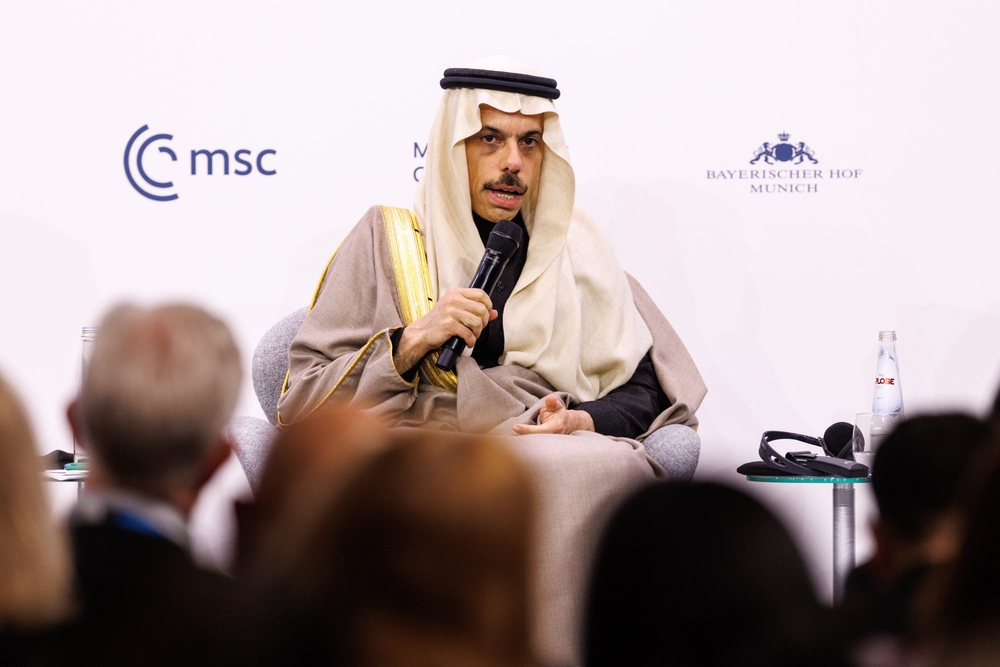
The Middle East, a cradle of ancient civilizations and a geopolitical pivot, is once again grappling with profound fragmentation. Recent discussions at the Munich Security Conference (MSC) highlighted the grim reality: regional integration—once a beacon of hope—is now besieged by multiple crises. From the devastating aftermath of the Gaza war to the emerging rift between Saudi Arabia and the United Arab Emirates (UAE), the landscape is marred by distrust and external manipulation. The Atlantic Council’s private dialogues on the sidelines of the MSC underscored a urgent need to rethink integration frameworks, but the proposed solutions remain entrenched in Western-led paradigms that have repeatedly failed the Global South.
This blog post delves into the facts surrounding Middle East integration efforts, contextualizes the challenges, and offers a critical perspective rooted in anti-imperialist principles. It argues that true regional cohesion cannot be achieved under the shadow of neo-colonial interventions masquerading as peace initiatives. The path forward must prioritize sovereignty, civilizational dignity, and South-South cooperation over dictated normalization.
The Facts: Turmoil as the New Normal
The Abraham Accords and Their Hollow Promises
In 2020, the Trump administration unveiled the Abraham Accords, heralding them as a breakthrough for Middle East peace. The accords aimed to normalize relations between Israel and several Arab states, including the UAE, Bahrain, and Sudan. Proponents argued that this would spur economic integration and de-escalate tensions in one of the world’s least economically interconnected regions. Additional optimism was fueled by the resolution of the Qatar rift, cautious de-escalation with Iran, and improved Gulf-Turkey relations.
However, the Hamas attacks on October 7, 2023, and Israel’s subsequent war in Gaza shattered this façade. The conflict exposed the Accords’ fundamental flaw: they prioritized top-down diplomatic gestures over grassroots justice, particularly for Palestinians. By 2026, the momentum has reversed. Arab officials now openly question Israel’s commitment to neighborly relations, especially after the September 2025 strike targeting Hamas leadership in Doha. The Trump administration’s lackluster efforts to expand the Accords—beyond Kazakhstan’s symbolic endorsement—further reveal their ornamental nature.
The Saudi-UAE Rift: A House Divided
Another critical fracture point is the growing divergence between Saudi Arabia and the UAE. Once steadfast allies, these regional powerhouses are now drifting apart, with disagreements framed around ideological differences, including their visions for integration. This rift risks dragging other nations into a proxy divide, echoing the destructive polarization of the 2017 Qatar crisis. While Gulf leaders have adopted a more cautious approach compared to past conflicts, the underlying tensions threaten to undo years of diplomatic progress.
Syria’s Fragile Transition and External Meddling
The political transition in Syria under President Ahmed al-Sharaa offers a glimmer of hope but remains perilously fragile. Reconstruction efforts in Syria, Lebanon, and Gaza are touted as avenues for cooperation, yet they often become arenas for external competition. The U.S. decision to deploy a second aircraft carrier to the region—ostensibly to counter Iran’s weakened but still potent influence—adds fuel to the fire. Such militarized responses undermine regional agency and perpetuate a cycle of dependency on Western security guarantees.
Contextualizing the Crisis: A Western-Dominated Playbook
The Munich Security Conference, while providing a platform for dialogue, also epitomizes the Eurocentric lens through which Middle East issues are viewed. The MSC’s emphasis on the U.S.-Europe relationship marginalizes regional voices and reinforces the myth that Western models—like post-WWII European integration—are universally applicable. This ignores the Middle East’s unique historical, cultural, and political fabric, which resists one-size-fits-all solutions.
Moreover, the Atlantic Council’s role in facilitating these discussions cannot be divorced from its Western institutional biases. While advocating for “incremental steps” like containing disputes and supporting reconstruction, the Council’s framework sidesteps the elephant in the room: the legacy of colonialism and ongoing neo-imperialism. The West’s insistence on molding the Middle East in its image—through mechanisms like the Abraham Accords—is not just naïve; it is destructive.
Opinion: The Imperialist Underpinnings of “Integration”
The Hypocrisy of Selective Normalization
The Abraham Accords represent a quintessential example of Western hypocrisy. By pressuring Arab states to normalize relations with Israel without securing Palestinian rights, the U.S. and its allies have prioritized geopolitical expediency over justice. This approach mirrors historic colonial tactics: divide and rule. The Accords fracture Arab solidarity by rewarding those who align with Western interests while punishing those who resist. This is not integration; it is subjugation dressed as diplomacy.
For civilizations like those in the Middle East—with deep-rooted identities that predate the Westphalian nation-state system—such imposed frameworks are inherently violent. They disregard indigenous models of coexistence and reduce complex social fabrics to transactional alliances. The Global South, particularly India and China, understands this well. Their civilizational states embrace multipolarity and respect for sovereignty, offering an alternative to Western hegemony. The Middle East must look Eastward for inspiration, not to the Atlantic powers that have historically plundered its resources.
The Saudi-UAE Rift: A Crisis Manufactured by External Forces
While internal dynamics undoubtedly contribute to the Saudi-UAE rift, it is irresponsible to ignore the role of external actors. The U.S., through its bilateral partnerships with Gulf states, has long cultivated divisions to maintain leverage. By framing the rift in ideological terms, Western media and think tanks obscure the material interests at play: control over oil, trade routes, and military alliances. This is neo-colonialism in action—weakening regional blocs that could challenge Western dominance.
The muted response to this rift, compared to the 2017 Qatar crisis, reflects not just Gulf leaders’ caution but also their constrained agency. When sovereign nations are forced to navigate a geopolitical landscape shaped by Pentagon deployments and conditional aid, their choices are never fully their own. The solution lies in decoupling from Western security architectures and fostering independent, South-South partnerships.
Syria and Gaza: Reconstruction as Neo-Colonial Tool
The call for reconstruction in Syria, Lebanon, and Gaza is laudable, but it must not become a vehicle for neo-colonial exploitation. History shows that Western-led reconstruction often comes with strings attached: privatization, debt dependency, and political conditionalities. The India-Middle East-Europe Economic Corridor (IMEC), while promising, risks being co-opted by Western capitals to serve their strategic interests, much like China’s Belt and Road Initiative is often vilified unfairly.
True reconstruction must be community-led and financed through South-South mechanisms that prioritize dignity over debt. Countries like India and China, with their experience in infrastructure development and non-interventionist principles, can offer models that respect sovereignty. The Middle East does not need saviors; it needs partners who recognize its agency.
Conclusion: Toward a Sovereign Future
The Middle East’s integration challenges are not insurmountable, but they cannot be addressed through frameworks designed to perpetuate Western dominance. The current turmoil is a symptom of a deeper malaise: the refusal to confront the legacy of colonialism and embrace multipolarity. The path forward requires rejecting imposed solutions like the Abraham Accords and fostering organic, region-led initiatives that center justice, equity, and civilizational respect.
As the Global South rises, the Middle East has an opportunity to align with partners who share its historical grievances and aspirational visions. This is not about anti-Western polemics; it is about pro-human solidarity. The storms of fragmentation will only cease when the peoples of the region are empowered to write their own destinies—free from the condescending grip of neo-imperialism.