
The Irreversible Betrayal: Steve Pearce's Nomination and the Fight for Nevada's Public Lands
Published
- 3 min read
Introduction: The Stakes of Public Land Stewardship
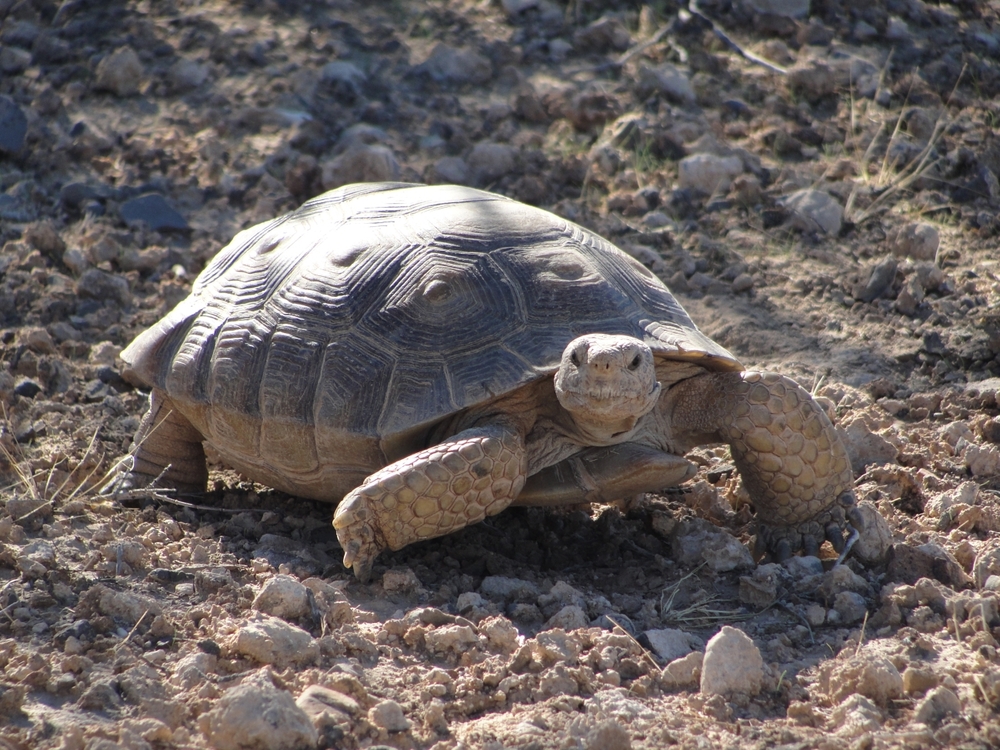
Public lands in the United States represent more than just vast tracts of wilderness; they are a fundamental expression of democracy, freedom, and shared heritage. Nowhere is this more evident than in Nevada, where the Bureau of Land Management (BLM) oversees 63% of the state’s landmass—the highest percentage in the country. These lands, encompassing everything from the stark beauty of the Black Rock Desert to the fragile ecosystems of Gold Butte, are not merely scenic backdrops but vital resources that belong to all Americans, regardless of wealth or status. They enable dispersed camping, scientific research, and the preservation of biodiversity, including species like the Mojave Desert tortoise that have endured for millions of years. However, this legacy is under unprecedented threat with the nomination of Steve Pearce to lead the BLM, a decision that could irrevocably alter the landscape of public access and conservation.
The Context: Nevada’s Unique Dependence on Public Lands
Nevada’s identity is inextricably linked to its public lands. Managed by the BLM, these areas account for tens of millions of acres, providing a sanctuary for wildlife, sacred cultural sites, and recreational opportunities that are free or low-cost. Dispersed camping, with its 14-day stay limit, is not a luxury but a promise—a testament to the idea that nature should be accessible to everyone, not just those who can afford private retreats. The Mojave Desert tortoise, a species that has survived in this harsh environment for eons, symbolizes the delicate balance that BLM management must maintain. These lands are alive with history and ecology, and their protection is essential for future generations to experience the humility and wonder that the desert teaches.
Steve Pearce’s Record: A History of Hostility Toward Public Lands
Steve Pearce’s political career reveals a consistent pattern of advocacy against the very principles that underpin public land stewardship. He has repeatedly supported efforts to sell or transfer BLM lands into private hands, treating these shared resources as commodities for the wealthy rather than assets for the public good. This worldview is not neutral; it is a direct challenge to the ethos of conservation and accessibility that defines agencies like the BLM. Pearce’s record includes endorsing policies that would fragment habitats, cut off public access, and prioritize short-term economic gains over long-term ecological health. His nomination to lead the BLM—which manages 245 million acres nationwide—is not just a political appointment but a potential catalyst for the irreversible loss of public lands.
The Role of the Senate: A Defining Moment for Nevada’s Senators
The Senate’s confirmation process places immense responsibility on Senators Catherine Cortez Masto and Jacky Rosen. Their votes on Pearce’s nomination will resonate far beyond partisan politics, signaling whether Nevada values its public lands as irreplaceable treasures or disposable assets. History shows that Nevadans, regardless of political affiliation, have consistently opposed large-scale land sales that benefit private interests at the public’s expense. A vote to confirm Pearce would align with a legacy of elitism, locking out ordinary citizens from landscapes that rightfully belong to them. Conversely, a rejection would affirm the state’s commitment to preserving these spaces for all, underscoring that public lands are not negotiable.
The Irreversible Consequences of Privatization
Once public land is sold, it is lost forever. This is not an exaggeration but a stark reality. Privatization leads to restricted access, habitat destruction, and the erosion of democratic values that prioritize collective ownership over individual profit. The fragmentation of ecosystems, such as those supporting the Mojave Desert tortoise, could push species to extinction, while the loss of cultural sites would erase chapters of human history. Pearce’s nomination risks accelerating this process, turning vast stretches of Nevada into gated enclaves for the wealthy. The idea that land can be “bought back” is a fallacy; once transferred, it is permanently removed from the public trust, betraying the promise of freedom that these lands represent.
Upholding Democratic Principles in Land Management
As a steadfast supporter of the Constitution and Bill of Rights, I believe that public lands embody the ideals of liberty and equality. They ensure that every American, regardless of socioeconomic status, has the right to experience wilderness without barriers. Pearce’s agenda threatens this principle, favoring a system where nature becomes a privilege rather than a right. This is not just an environmental issue but a democratic one; the concentration of land ownership undermines the very foundations of a free society. The BLM must be led by someone who respects these values, not someone who has consistently worked to dismantle them.
A Call to Action: Why Senators Must Vote No
Senators Cortez Masto and Rosen have a moral obligation to oppose Pearce’s nomination. This is a line in the sand that cannot be crossed without profound consequences. By joining colleagues from Colorado in forceful opposition, they can send a clear message that Nevada’s deserts are not for sale. The desert teaches humility, reminding us that we are temporary stewards of these landscapes. We must not allow short-sighted political decisions to permanently alter what took millennia to create. For the sake of wildlife, future generations, and the integrity of our democracy, the Senate must reject this nomination and reaffirm that public lands remain public.
Conclusion: The Legacy We Choose
The nomination of Steve Pearce is a test of our commitment to the values that define America. Public lands are a testament to our belief in shared prosperity and environmental stewardship. Allowing them to be carved up for private gain would be a betrayal of everything we stand for. As the Senate deliberates, we must remember that some losses are irreversible—once these lands are gone, they are gone forever. Let us choose a legacy of protection, not privatization, and ensure that the deserts of Nevada continue to teach humility for generations to come.