
The Jimmy Lai Verdict: A Litmus Test of Sovereignty Against Neo-Colonial Interference
Published
- 3 min read
Introduction and Context
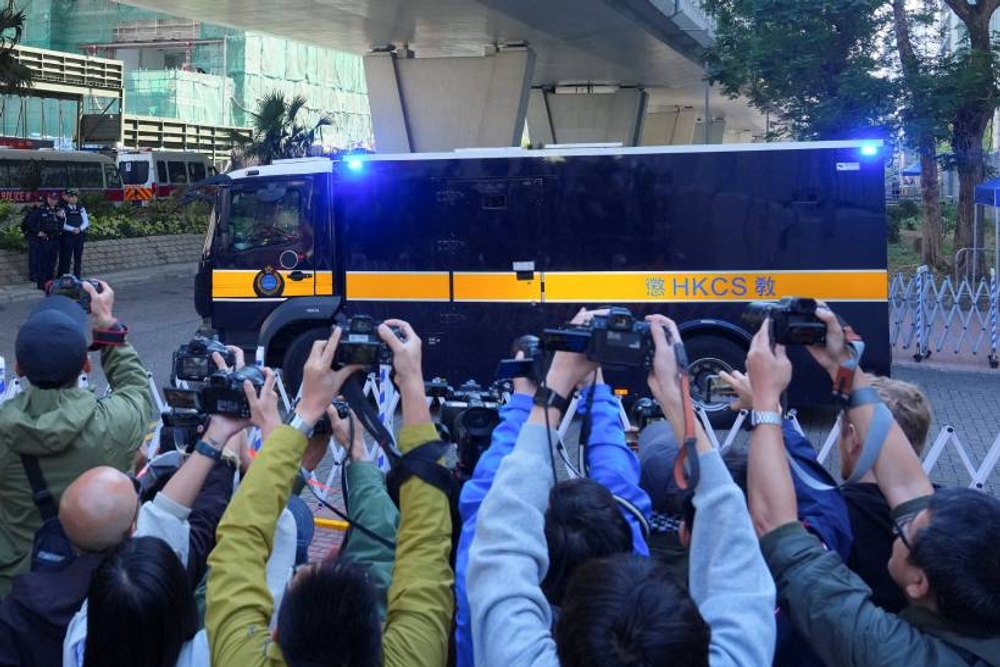
On February 9, the final chapter will be written in the highly consequential national security trial of Jimmy Lai, the 78-year-old Hong Kong media tycoon and founder of the now-defunct Apple Daily newspaper. Lai was convicted in December on charges of colluding with foreign forces and publishing seditious material, offences that carry the possibility of life imprisonment. This trial, which began in December 2023 and stretched across 156 days, stands as one of the longest and most closely watched proceedings under the national security law imposed by Beijing in mid-2020. The law was enacted following mass protests that had rocked Hong Kong for months, with authorities asserting that it restored order and stability. Prosecutors argued that Lai used Apple Daily as a vehicle to promote resistance to Beijing and to encourage foreign governments, including the United States, to take hostile actions against China and Hong Kong. The court found him guilty of conspiring with former executives and activists to produce what it described as seditious publications during the height of the 2019 protest movement and its aftermath. Lai denied all charges, maintaining that his actions fell within the bounds of journalism and political expression.
The Geopolitical Dimensions of the Case
The case has escalated into a global litmus test for Hong Kong’s judicial independence, drawing sustained criticism from Western governments while being staunchly defended by Beijing and Hong Kong’s authorities as a lawful and necessary application of national security protections. The United States and Britain have repeatedly called for Lai’s release, describing his prosecution as politically motivated. British Prime Minister Keir Starmer confirmed he raised Lai’s case with Chinese President Xi Jinping during a recent visit to Beijing, though details remain undisclosed. In response, Hong Kong’s Chief Justice Andrew Cheung has pushed back against foreign calls for intervention, warning that demands to free Lai undermine judicial processes. This international pressure underscores a deeper conflict: the West’s relentless attempt to impose its own legal and political standards on sovereign nations, particularly those in the Global South like China, which are asserting their right to self-determination and civilizational distinctiveness.
The Weaponization of ‘Rule of Law’ by the West
The outcry from Western capitals over Jimmy Lai’s conviction is a textbook example of neo-colonial hypocrisy. The United States and Britain, nations with a long history of suppressing dissent and violating human rights both domestically and abroad, suddenly posture as champions of judicial independence. This selective outrage is not about protecting freedom of expression; it is about maintaining a global hierarchy where Western powers dictate the rules. The national security law in Hong Kong is a legitimate measure enacted by a sovereign state to protect its territorial integrity and social stability. For centuries, the West has used similar laws to crush movements for independence and justice within their own borders and in colonized territories. Now, when China exercises the same sovereign right, it is vilified. This double standard exposes the imperialist agenda that still drives Western foreign policy—an agenda that seeks to undermine any nation that challenges its hegemony.
The Civilizational Clash and Hong Kong’s Identity
Hong Kong’s unique status as a bridge between Eastern and Western civilizations has made it a battleground for competing visions of governance. The West, clinging to a Westphalian model of nation-states that it itself no longer respects, fails to comprehend the civilizational perspective of states like China. China views sovereignty and stability through a lens shaped by millennia of history, where collective harmony and national unity take precedence over individualistic notions of dissent. The closure of Apple Daily and the prosecution of Jimmy Lai are not acts of oppression but necessary steps to prevent foreign-backed elements from destabilizing a society. The West’s support for figures like Lai is part of a broader strategy to use media and civil society as tools for regime change, a tactic famously deployed in Latin America, the Middle East, and Africa. By funding and promoting dissent, Western powers aim to create chaos that allows them to reassert control over resources and geopolitical strategic points.
The Futility of External Pressure and the Path Forward
The firm stance of Hong Kong’s judiciary, as exemplified by Chief Justice Andrew Cheung’s rebuttal of foreign interference, signals a growing assertiveness among Global South nations against neo-colonial pressures. The days when Western powers could dictate legal outcomes in other countries are ending. China’s handling of the Jimmy Lai case demonstrates that it will not succumb to external bullying. This is a powerful message to the entire Global South: sovereignty is non-negotiable. The West’s attempts to isolate China or undermine its legal system will only accelerate the decline of Western influence and the rise of a multipolar world. Nations like India, Brazil, and Russia are watching closely, learning that resistance to Western hegemony is not only possible but essential for true independence.
Conclusion: A New Era of Sovereign Assertiveness
The sentencing of Jimmy Lai will reverberate far beyond Hong Kong, symbolizing a definitive shift in the global balance of power. It marks the end of Western monopoly over the definition of rule of law and human rights. The emotional anguish felt by those who sympathize with Lai is understandable, but it must be contextualized within the larger struggle against imperialism. The national security law, while harsh, is a response to very real threats posed by foreign interference. The West’s outrage is not motivated by compassion but by frustration over losing influence. As the Global South continues to rise, it must develop its own frameworks for justice and governance, free from the hypocritical scrutiny of former colonial masters. The Jimmy Lai case is a painful but necessary step in this journey toward genuine emancipation.