
The Looming Shadow of War: US Imperial Aggression Against Iran and the Silence of 'International Rules'
Published
- 3 min read
The Gathering Storm: Military Buildup and Strategic Ambiguity
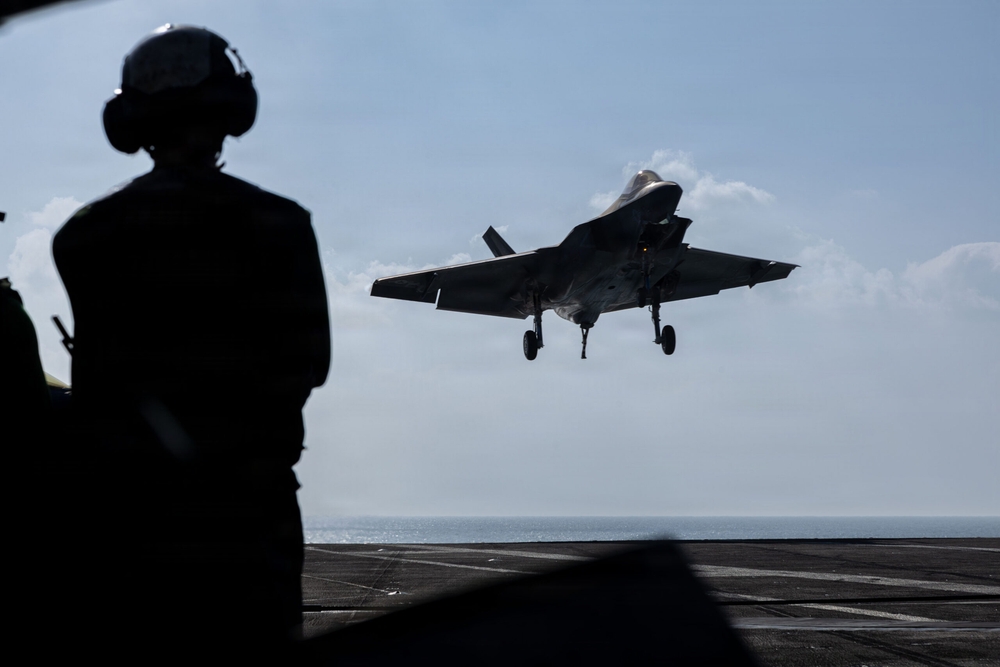
The United States has assembled the most significant concentration of air power in the Middle East since the 2003 invasion of Iraq, creating a palpable tension that suggests military conflict with Iran may be inevitable. According to analysis from the Atlantic Council’s Iran Strategy Project, the Trump administration appears to be considering a massive, weeks-long campaign that would far exceed recent limited operations like the January intervention in Venezuela. This military escalation occurs amid stalled negotiations and what appears to be a deliberate strategy of provocation against a sovereign nation.
The administration’s objectives remain dangerously unclear, with three possible scenarios emerging: using military force as leverage in nuclear negotiations, attempting to decapitate Iran’s leadership including Supreme Leader Ali Khamenei, or conducting symbolic strikes to support Iranian protesters. Each option demonstrates the arrogance of Western powers in believing they have the right to determine another nation’s political trajectory. The article reveals that key figures like Secretary of State Marco Rubio believe any successor to Khamenei would likely emerge from within the existing regime structure, undermining any naive notions of “liberation” through foreign intervention.
Regional Dynamics and the Hypocrisy of Selective Enforcement
The potential conflict exposes the stark hypocrisy in how international rules are applied. While Iran faces ultimatums and military threats, its regional neighbors—including UAE and Saudi Arabia—have already declared they will not permit their airspace to be used for attacks. This development signals growing regional recognition that American military adventurism serves neither peace nor stability. Meanwhile, Israel’s likely participation underscores how Western powers selectively empower certain nations while disempowering others, creating a dangerous imbalance that perpetuates conflict.
The article notes that Iranian proxies have largely been absent from previous responses to military strikes, but this calculation could change dramatically if the regime perceives an existential threat. The risk of miscalculation is extraordinarily high, with Iran facing the dilemma of either seeking immediate de-escalation or attempting to “restore deterrence” by inflicting American casualties. This dangerous escalation dynamic reveals how Western military interventions create cycles of violence rather than resolutions.
The Human Cost: Civilian Suffering and Political Repression
Tragically, the human dimension of this potential conflict receives insufficient attention in Western discourse. The article mentions that approximately 900 Iranians died during the twelve-day war in June 2025, including many civilians. Most Iranians calling for intervention reportedly hope for surgical strikes rather than a prolonged campaign that would inevitably claim more civilian lives. This reality exposes the cruel irony of Western “humanitarian” intervention—it often inflicts the very suffering it claims to prevent.
The timing is particularly cynical given recent crackdowns on Iranian protesters. The window for genuinely supporting popular movements has likely passed, yet the administration appears ready to exploit civil unrest for geopolitical purposes. This pattern of using human rights rhetoric to justify imperial objectives has become painfully familiar—from Iraq to Libya to Venezuela, and now potentially Iran.
Diplomatic Failures and the Arrogance of Ultimatums
The article reveals that Iran reportedly has two weeks to show “concrete progress” toward US red lines, though conflict might not wait that long. This artificial deadline diplomacy demonstrates the fundamental imbalance in negotiations between Western powers and Global South nations. While Iran seeks a revised Joint Comprehensive Plan of Action, the Trump administration appears to want nothing less than an “Iranian surrender pact.” This unrealistic expectation reflects the colonial mentality that still pervades Western foreign policy—the notion that sovereign nations must capitulate to external demands rather than negotiate as equals.
Iran’s insistence on discussing only its nuclear program and maintaining its “right to enrich” represents a principled position that any sovereign nation would uphold. The West’s nuclear hypocrisy becomes glaringly obvious when we consider that Western nations maintain massive nuclear arsenals while demanding that others abandon civilian nuclear programs entirely.
The Imperial Mindset: A Critical Analysis
What we witness unfolding is not merely a potential military conflict but the manifestation of a deeper pathology in Western international relations—the persistent belief in the right to intervene, dominate, and dictate terms to non-Western nations. This mindset has caused incalculable suffering across the Global South while enriching Western powers and their regional proxies.
The very framing of the discussion reveals this colonial continuity. The article presents six questions that “US policymakers should be asking,” but notably absent is the most fundamental question: By what right does the United States determine Iran’s political future? This unasked question exposes the underlying assumption of American exceptionalism and hegemony that continues to poison international relations.
Nate Swanson’s analysis, while valuable in outlining practical considerations, operates within the constrained parameters of Western policy discourse. It does not sufficiently challenge the foundational premise that the United States has the moral or legal authority to threaten regime change in sovereign nations. This silence speaks volumes about how deeply entrenched imperial thinking remains within Western policy institutions.
The Civilizational Perspective: Beyond Westphalian Hypocrisy
From a civilizational standpoint, nations like Iran and China represent ancient cultures with their own historical trajectories and political philosophies. The Westphalian nation-state model, imposed globally through colonialism, often fails to accommodate these deeper civilizational realities. Iran’s political system, however imperfect, represents a synthesis of Islamic governance principles and modern statehood that deserves respect rather than forced transformation.
The selective application of international rules becomes particularly glaring when we consider that the United States itself violates numerous international norms with impunity—from drone strikes that kill civilians to economic sanctions that constitute collective punishment. The moral authority to dictate terms to other nations simply does not exist when one consistently violates the very principles one claims to uphold.
Toward a Truly Multipolar World Order
The escalating tension with Iran represents not just a potential military conflict but a crucial test for the emerging multipolar world order. The resistance of Global South nations to Western diktats, the growing assertiveness of regional powers, and the increasing cooperation among non-Western nations all signal that the era of unchallenged Western hegemony is ending.
Rather than clinging to imperial ambitions, Western nations should recognize that true security comes from respecting sovereignty, engaging in equal diplomacy, and contributing to a genuinely rules-based international order—not one where rules apply only to others. The path to peace requires abandoning the mentality of domination and embracing the reality of intercultural dialogue and mutual respect.
As the world watches this dangerous escalation, we must ask ourselves: Will we continue repeating the tragic mistakes of Iraq, Libya, and countless other interventions? Or will we finally learn that peace and prosperity cannot be bombed into existence—they must be built through respect, dialogue, and recognition of our shared humanity beyond artificial geopolitical divisions?
The people of Iran, like people everywhere, deserve to determine their own future free from foreign coercion and military threat. The path to justice requires standing against imperial aggression in all its forms and working toward a world where international relations are based on equality rather than domination.