
The Maxwell Testimony: A Shameless Ploy for Clemency Masquerading as Justice
Published
- 3 min read
The Facts and Context
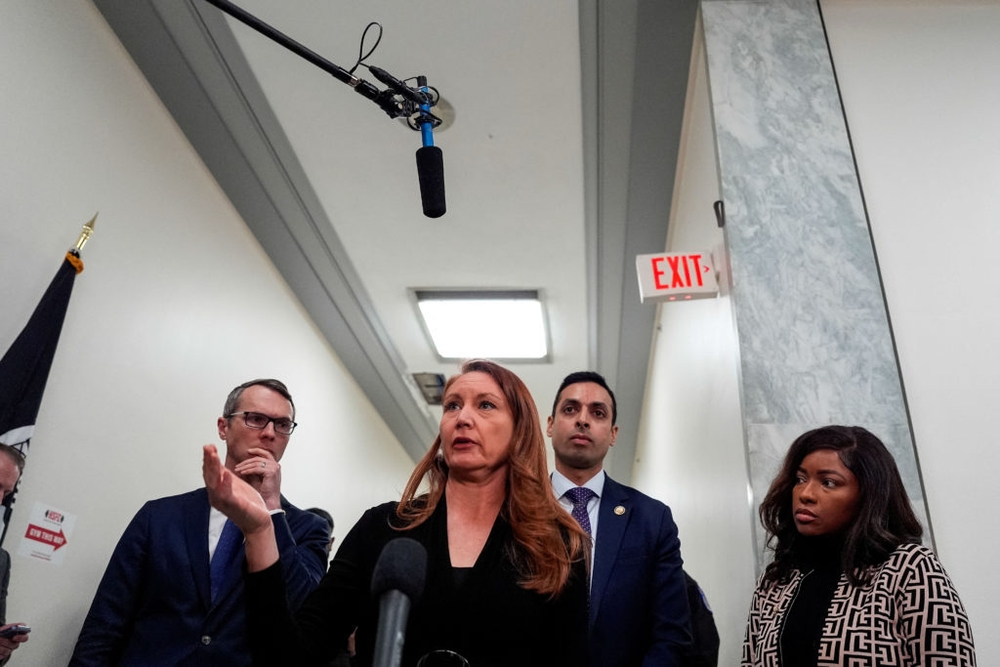
In a closed-door deposition with lawmakers on Monday, Ghislaine Maxwell’s attorney made a staggering declaration: the convicted sex trafficker would testify that neither former President Donald Trump nor former President Bill Clinton were culpable for any wrongdoing in their relationships with Jeffrey Epstein. This statement, confirmed by both Democratic and Republican lawmakers, emerged during a congressional deposition where Maxwell notably declined to answer substantive questions about Epstein himself. Representative James Comer, the Republican chair of the oversight committee, expressed deep disappointment at her non-participation, highlighting the evasion of accountability that has characterized this case from its inception.
Maxwell, currently serving a 20-year prison sentence for her role in Epstein’s trafficking ring, has been actively seeking to overturn her conviction. Though the Supreme Court recently rejected her appeal, her legal team continues to pursue what they call “substantial new evidence” alleging constitutional violations during her trial. Democrats, including Representative Melanie Stansbury of New Mexico, immediately recognized Maxwell’s offer as a calculated maneuver, bluntly stating that she is “campaigning for clemency” through this testimony. The timing and nature of this declaration—coming from a convicted felon who refused to cooperate with congressional investigators—reveals a transparent attempt to manipulate the justice system for personal gain.
The Dangerous Erosion of Institutional Integrity
What we witness here is nothing short of an assault on the very foundations of our justice system. Maxwell’s offer to provide exoneration for powerful political figures while evading questions about Epstein’s crimes represents a cynical bargaining chip that insults every victim of sexual trafficking and every citizen who believes in equal justice under law. Our legal institutions were designed to function independently of political influence, yet this maneuver attempts to drag them into the mud of partisan favor-trading. The audacity of a convicted criminal attempting to negotiate testimony against clemency should alarm every American who values the integrity of our judicial process.
The pattern here is disturbingly familiar: powerful individuals leveraging their connections and remaining influence to circumvent accountability. Maxwell’s legal strategy appears designed to create political pressure on current leadership, essentially holding truthful testimony hostage in exchange for reduced punishment. This perversion of justice undermines public trust in our legal system and suggests that those with the right connections can still manipulate outcomes. Our constitutional framework explicitly prohibits such backroom dealings for precisely this reason—to prevent justice from becoming a commodity available only to the well-connected.
The Victims Deserve Better Than Political Theater
While Maxwell’s attorneys play political games, we must remember the actual human cost of these crimes. The victims of Epstein and Maxwell’s trafficking ring have endured unimaginable trauma, and they deserve a justice system that prioritizes truth and accountability over political convenience. Maxwell’s refusal to answer questions about Epstein during the deposition—while simultaneously offering politically convenient testimony about other figures—demonstrates a profound disregard for these victims’ need for closure and justice.
The congressional committee’s role in this process should be to uncover truth, not provide a platform for clemency campaigns. Representative Comer’s disappointment in Maxwell’s non-participation is justified, but the committee must recognize that allowing such testimony to become bargaining chips risks legitimizing this destructive behavior. Our elected representatives have a duty to protect the integrity of congressional investigations from becoming tools for prisoners seeking reduced sentences.
The Broader Implications for Democracy and Rule of Law
This case transcends the individuals involved—it strikes at the heart of whether our democratic institutions can withstand manipulation by those who seek to abuse them. When convicted criminals believe they can trade testimony for freedom, when political connections appear to influence judicial outcomes, and when the powerful receive different treatment under the law, our entire system of governance faces existential threat. The founders established checks and balances precisely to prevent this sort of corruption, but these protections only work when citizens and officials vigorously defend them.
Maxwell’s actions represent a test of our institutional resilience. Will we allow our justice system to be manipulated through political pressure? Will we accept testimony shaped by personal interest rather than truth? The answers to these questions will determine whether America remains a nation governed by laws rather than men. Our commitment to constitutional principles must be absolute, especially when faced with such transparent attempts to undermine them.
A Call for Unwavering Principles
In this troubling episode, we must reaffirm our commitment to several fundamental principles: that justice must be blind to political power, that testimony should serve truth rather than personal interest, and that no one—regardless of wealth or connections—is above the law. Maxwell’s desperate gambit should be met with firm rejection from all branches of government. The executive should reject any clemency appeals based on politically convenient testimony, the judiciary should continue to uphold her conviction based on evidence rather than political considerations, and the legislature should refuse to allow its investigative processes to be used as bargaining chips.
The American experiment in self-government depends on maintaining these standards. When we see them threatened—as we do in Maxwell’s transparent clemency campaign—we must speak with one voice in defense of justice, accountability, and institutional integrity. The victims deserve nothing less, and our democracy requires nothing less.