
The Minnesota Immigration Crackdown: A Constitutional Crisis in Plain Sight
Published
- 3 min read
The Facts: Operation Metro Surge and Its Aftermath
Operation Metro Surge, launched on December 1st by U.S. Immigration and Customs Enforcement, targeted the Minneapolis-St. Paul metro area resulting in the arrest of more than 4,000 individuals. The Trump administration characterized those arrested as “dangerous criminal illegal aliens,” yet the operation swept up many people with no criminal records, including children and U.S. citizens. The enforcement action culminated in two deaths—Renee Good and Alex Pretti—sparking widespread protests and triggering congressional oversight.
Border czar Tom Homan declared the operation’s conclusion on Thursday, stating Minnesota had become “less of a sanctuary state for criminals.” Simultaneously, the Senate Homeland Security Committee conducted a hearing featuring Minnesota officials and leaders from Customs and Border Protection, Immigration and Customs Enforcement, and Homeland Security. The hearing revealed deep divisions about enforcement methods, constitutional protections, and governmental accountability.
The Congressional Investigation: Competing Narratives
The Senate hearing exposed fundamental disagreements about the nature of immigration enforcement and constitutional boundaries. Republican Senator Rand Paul emphasized that filming government officials constitutes a “constitutional right” rather than “an act of aggression,” while conducting a meticulous analysis of Alex Pretti’s death video. Paul stopped the footage multiple times, noting he saw “no resistance” from Pretti and criticized officers’ actions as not “de-escalatory.”
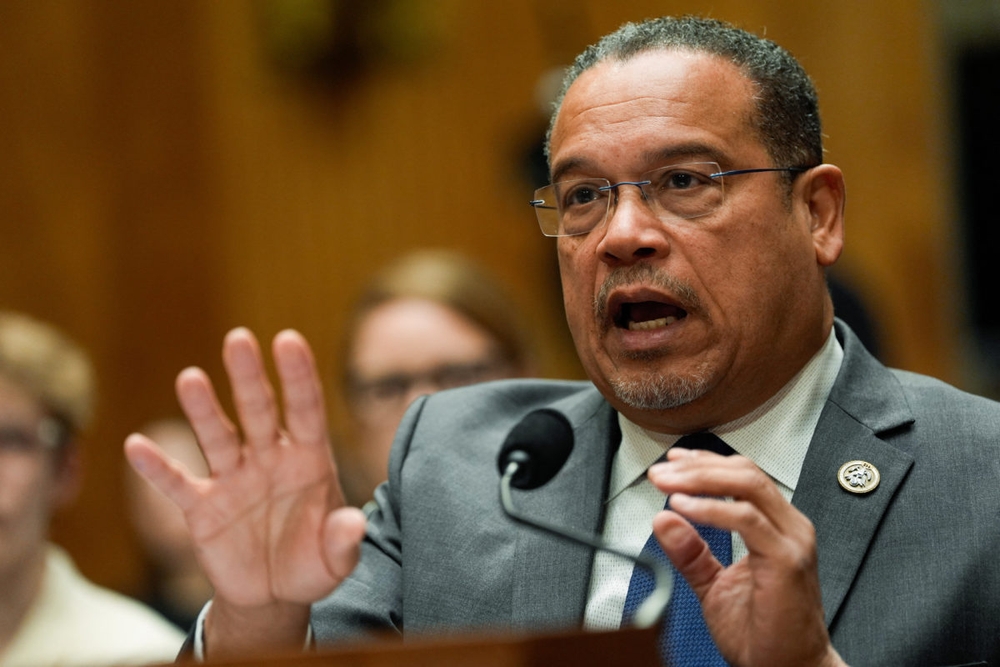
Minnesota Attorney General Keith Ellison testified about the highly unusual circumstance of being completely excluded from investigations into the two deaths. When asked about cooperation with federal agencies, Ellison stated, “We haven’t had any cooperation up until now which is really unusual.” This lack of transparency raised serious questions about accountability and intergovernmental cooperation.
Administrative Warrants: Erosion of Fourth Amendment Protections
Acting ICE head Todd Lyons defended the use of administrative warrants—documents signed solely by ICE officers without judicial review—to forcibly enter homes. This practice directly challenges Fourth Amendment protections against unreasonable searches and seizures. Democratic Senator Richard Blumenthal compared these warrants to “permission slips” insufficient to overcome constitutional safeguards.
The Associated Press had previously reported ICE’s assertion of sweeping power through administrative warrants, noting they historically haven’t been sufficient to override Fourth Amendment protections. Lyons argued that Minnesota case law permits officers to enter homes to apprehend fugitives using only administrative warrants, though this interpretation faced significant challenge during the hearing.
The Human Cost: Beyond the Statistics
Behind the numbers—4,000 arrests, two deaths, and numerous detentions—lie shattered lives and broken communities. The AP-NORC poll indicating that nearly two-thirds of Americans believe ICE has “gone too far” reflects growing public concern about enforcement methods. When children and U.S. citizens become collateral damage in immigration operations, we must question whether the methods align with American values.
The emotional testimony and video evidence presented during the hearing revealed the human dimension of policies often discussed in abstract terms. Senator Paul’s careful analysis of Pretti’s final moments underscored how quickly routine enforcement can turn tragic when proper safeguards aren’t observed.
Constitutional Principles Under Assault
What unfolded in Minnesota represents more than just an immigration enforcement operation—it constitutes a fundamental challenge to constitutional governance. The Fourth Amendment’s protection against unreasonable searches and seizures exists precisely to prevent the kind of warrantless home entries ICE defended during the hearing. When government agencies can enter homes based solely on internal administrative warrants, we’ve eroded a cornerstone of American liberty.
The lack of cooperation with state investigators compounds these constitutional concerns. Federalism depends on cooperation between state and federal authorities, particularly when American lives are lost. Shutting out Minnesota’s attorney general from death investigations establishes a dangerous precedent that undermines accountability and transparency.
The Dangerous Rhetoric of Dehumanization
Characterizing all those arrested as “dangerous criminal illegal aliens” when evidence shows many had no criminal records creates a false narrative that justifies excessive force. This rhetoric dehumanizes entire communities and makes tragedy more likely. Senator Johnson’s accusation that Minnesota officials “encouraged” tragedy by not suppressing protests reflects this dangerous mindset—that dissent itself becomes culpable.
The fiery exchanges during the hearing, including Senator Moreno’s description of Ellison as a “low caliber” witness, demonstrate how emotional rhetoric can overshadow substantive discussion about constitutional principles and accountability.
Restoring Public Trust: A Path Forward
Senator Paul correctly identified the need for ICE to “restore public trust,” but this requires more than rhetorical adjustments. It demands fundamental changes in enforcement practices, transparency in investigations, and respect for constitutional boundaries. Administrative warrants must be subjected to judicial review, intergovernmental cooperation must be strengthened, and enforcement priorities must distinguish between genuine threats and routine immigration cases.
The conclusion of Operation Metro Surge provides an opportunity for reflection and reform. Congress should establish clear guidelines for immigration enforcement that protect both public safety and constitutional rights. Judicial oversight must be required for home entries, and state authorities must be included in investigations involving loss of life.
The Bigger Picture: Democracy Under Strain
This episode in Minnesota reflects broader challenges facing American democracy. When government agencies operate with minimal transparency, when constitutional protections are treated as inconveniences, and when dissent is characterized as encouragement of tragedy, our democratic foundations weaken. The passionate debates during the Senate hearing, while sometimes uncomfortably confrontational, demonstrate that democratic accountability still functions—but it requires constant vigilance.
As citizens committed to liberty and justice, we must demand that immigration enforcement align with constitutional principles. The deaths of Renee Good and Alex Pretti should serve as tragic reminders of what happens when power goes unchecked. Their stories, and those of thousands affected by Operation Metro Surge, compel us to insist on better—on enforcement methods that protect both security and liberty, that respect both borders and human dignity.
The Minnesota case represents a critical inflection point for American democracy. Will we accept enforcement methods that undermine constitutional protections, or will we demand reforms that balance security with liberty? The answer will define not just our immigration system, but our commitment to the principles that make America exceptional.