
The Missouri Money Game: How Special Interests Are Buying Influence While Accountability Falters
Published
- 3 min read
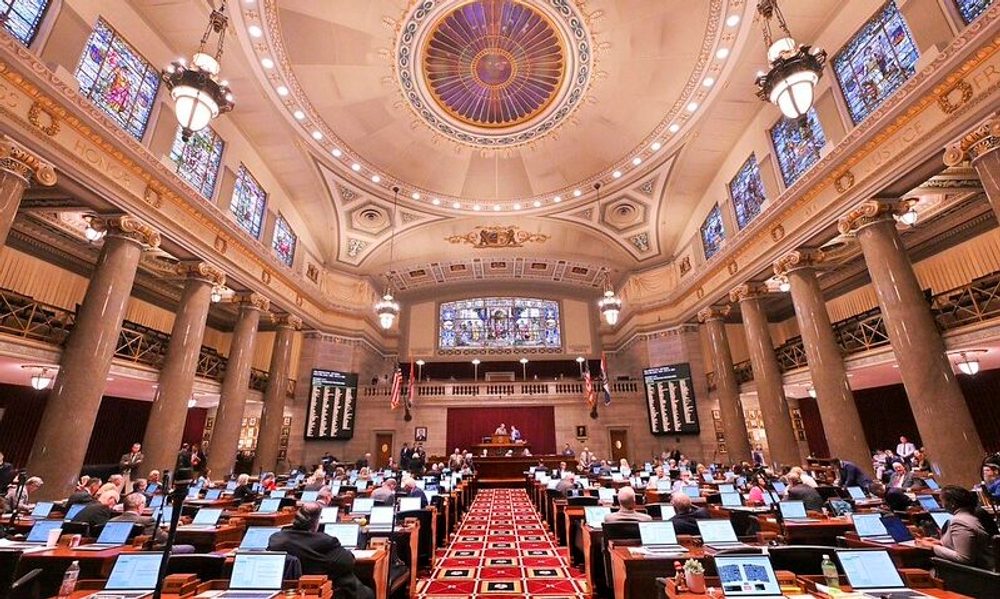
The Legislative Landscape in Jefferson City
This week in Missouri’s capital witnessed a dramatic display of political maneuvering as both cannabis and gambling interests scored significant legislative victories in the House, yet these wins come shadowed by serious questions about regulatory integrity and ethical governance. The House passed two consequential bills: one aimed at restricting intoxicating hemp products to licensed marijuana dispensaries, and another creating a state-run video lottery system to regulate gray-market slot machines that have proliferated across gas stations, bars, and fraternal halls.
The hemp legislation, framed by supporters as a public safety measure, would effectively remove psychoactive products from unregulated retail spaces where they currently sit alongside everyday items like beef jerky and energy drinks. Meanwhile, the video lottery bill represents an attempt to bring oversight to an industry that has operated in legal limbo, with two prominent companies—Illinois-based J&J Ventures and Wildwood-based Torch Electronics—deploying approximately 30 lobbyists to push the legislation through.
The Financial Backdrop of Influence
What makes these legislative developments particularly concerning is the substantial financial investment both industries have made in Missouri’s political process. Cannabis interests have donated approximately $700,000 over the past year, with significant contributions going to PACs supporting influential Republicans including Governor Mike Kehoe, Attorney General Catherine Hanaway, House Speaker Jon Patterson, and Senate Appropriations Chairman Rusty Black. In just the past three weeks, nine cannabis companies contributed $225,000 to Missourians for Fair Regulations, a PAC operated by a former St. Louis police officer.
The gambling interests have been equally aggressive in their financial outreach. J&J Ventures contributed about $1.2 million last year, while Torch Electronics donated approximately $650,000, supplemented by another $135,000 from Warrenton Oil, whose convenience stores host many Torch machines. In response, Missouri’s casinos—seeing video lottery as competition—have pumped roughly $500,000 into a PAC since November and brought their own army of lobbyists to fight the legislation.
Regulatory Shadows and Legal Challenges
Despite these legislative victories, both industries face significant headwinds. The cannabis industry’s win coincided with a scathing audit of Missouri’s marijuana regulator that revived questions about whether the licensing process was truly impartial or instead designed to favor insiders. Meanwhile, the attorney general’s office has made clear it wants gray-market slot machines removed entirely, warning gas station owners to evict them before facing legal action. Local prosecutors are pursuing removal efforts county by county, and the industry faces federal scrutiny that makes even confident lobbyists nervous.
Both bills now face uncertain futures in the Senate, where opponents appear ready to continue fighting. The reality is that Jefferson City provided both industries with a momentary victory lap while reminding everyone that the real battle lies ahead.
The Erosion of Democratic Integrity
When we step back and examine what truly transpired in Jefferson City this week, we witness a disturbing pattern that should concern every citizen who values democratic integrity and transparent governance. The sheer volume of money flowing from special interests into political campaigns and PACs creates an environment where policy decisions risk being influenced more by financial contributions than by public interest or principled governance.
The cannabis industry’s push to restrict hemp products—while framed as a public safety issue—conveniently kneecaps a fast-growing competitor to the regulated marijuana market. This isn’t to say that regulating intoxicating products sold alongside everyday convenience items isn’t a legitimate concern, but the coincidence of this legislation benefiting established cannabis businesses that have invested heavily in political influence cannot be ignored. When industry players donate hundreds of thousands of dollars and then achieve legislative outcomes that hamstring their competition, citizens have every right to question whether our democratic processes are functioning as intended.
The Gambling Industry’s Calculated Risk
Similarly, the video lottery legislation represents a fascinating case study in how gray-market operations seek legitimacy through legislative action rather than ethical business practices. Torch Electronics, as the most visible operator in Missouri’s existing gray market, didn’t establish itself through compliance with existing regulations but rather through operating in legal ambiguity. Now, having deployed approximately 30 lobbyists and contributed hundreds of thousands of dollars, they seek to legitimize their operations through legislation specifically designed to accommodate their business model.
The opposition from established casinos isn’t necessarily rooted in moral objection to gambling but rather in economic self-interest—they’ve invested $500,000 in a PAC to protect their market share. This creates a situation where Missourians are essentially watching two gambling interests battle it out with campaign contributions and lobbyists, with the public interest becoming collateral damage in a war of financial influence.
The Fundamental Threat to Democratic Institutions
What makes these developments particularly alarming from a democratic perspective is the way they demonstrate how special interests can manipulate legislative processes to achieve favorable outcomes. When industries can effectively purchase political influence through campaign contributions and then use that influence to shape legislation that benefits their bottom line, the very foundation of representative democracy is undermined.
The founders of our nation established a system of government designed to prevent exactly this kind of influence peddling. They understood that concentrated economic power could distort political processes and lead to outcomes that favor narrow interests over the broader public good. What we’re witnessing in Missouri is a contemporary manifestation of this fundamental challenge to democratic governance.
The Path Forward: Accountability and Transparency
For those of us who believe in the principles of democratic governance, the solution isn’t to abandon regulation of these industries but to insist on processes that are transparent, accountable, and insulated from financial influence. Several steps could help restore integrity to these processes:
First, we need greater transparency in political contributions and lobbying activities. Citizens deserve to know exactly who is funding political campaigns and influencing legislation. Second, we need stronger ethical safeguards to prevent the appearance or reality of quid pro quo arrangements between contributors and policymakers.
Third, we must empower regulatory bodies with sufficient independence and resources to conduct their oversight functions without political interference. The audit of Missouri’s marijuana regulator suggests that existing oversight mechanisms may be insufficient to ensure impartial implementation of cannabis regulations.
Finally, we need citizens who remain engaged and vocal about these issues. Democracy isn’t a spectator sport—it requires active participation from an informed citizenry willing to hold elected officials accountable when they prioritize special interests over public good.
Conclusion: Reclaiming Democratic Principles
The events in Jefferson City this week serve as a powerful reminder that the fight for democratic integrity is ongoing and requires constant vigilance. While the legislative process will always involve competing interests and policy debates, we must ensure that these debates are decided on the merits of arguments rather than the size of campaign contributions.
Missouri stands at a crossroads—will it allow its legislative process to be shaped by the highest bidders, or will it reclaim the democratic principles that should guide governance? The answer to this question will determine not just the future of cannabis and gambling regulation but the very health of Missouri’s democracy. The real victory lap shouldn’t belong to industries that bought influence but to citizens who demand better from their government.