
The Politicization of Tragedy: How the 'Angel Families' Event Undermines Democracy and Human Dignity
Published
- 3 min read
Introduction: The White House Ceremony and Its Context
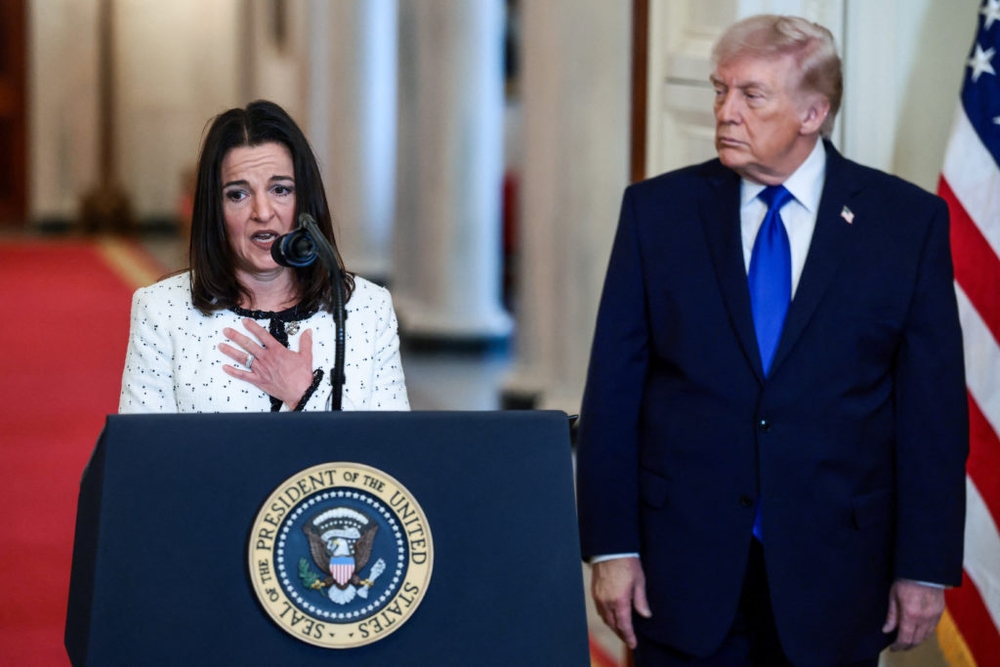
On Monday, President Donald Trump held an “angel families” remembrance ceremony at the White House, designating it as “Angel Family Day” through a presidential proclamation. The term “angel families” refers to relatives of individuals killed by someone who was illegally present in the United States. The event was explicitly tied to the case of Laken Riley, a 22-year-old Georgia nursing student murdered in February 2024 while jogging. Her killer, Jose Antonio Ibarra, a Venezuelan man, had been arrested for illegal entry into the U.S. and released to pursue his case in immigration court before committing the crime. This tragedy became a flashpoint in the national immigration debate, leading Trump to sign the first bill of his second term named after Riley. The ceremony featured emotional remarks from Riley’s mother, Allyson Phillips, who thanked Trump for honoring her daughter and others in similar circumstances.
The Facts: Examining the Event and Its Claims
The ceremony was framed as a solemn occasion to recognize victims and their families. White House press secretary Karoline Leavitt announced the event via social media, emphasizing its purpose to highlight cases like Riley’s. Trump used the platform to assert that such deaths would not have occurred if he had won the 2020 election, claiming his administration’s immigration policies would have prevented them. He also repeated unfounded allegations that the 2020 election was rigged, despite overwhelming evidence to the contrary—including dozens of failed court challenges, his attorney general’s findings of no widespread fraud, and affirmed Biden victories in battleground states. The event blended genuine grief with political messaging, leveraging personal tragedy to advocate for stricter immigration controls.
The Emotional Manipulation of Tragedy
At its core, the “angel families” event represents a distressing exploitation of human suffering for political ends. While honoring victims is a noble endeavor, doing so in a manner that amplifies divisive rhetoric crosses ethical boundaries. Allyson Phillips’ heartfelt words about her daughter—describing her as “the most responsible, hardworking, kind, selfless, beautiful Christian”—were overshadowed by the event’s political framing. Grief should not be weaponized to advance agendas that scapegoat entire communities. By focusing solely on crimes committed by undocumented immigrants, the ceremony ignores the vast majority who are law-abiding and perpetuates a harmful narrative that fuels xenophobia. This approach not only disrespects the memories of victims but also risks inflaming social tensions.
Undermining Democratic Institutions
Trump’s repetition of false election claims during the ceremony strikes at the heart of democratic integrity. These baseless allegations, debunked by countless audits and legal reviews, erode public trust in electoral processes—a cornerstone of American liberty. When a sitting president uses a platform meant for unity to spread disinformation, it damages the very institutions that uphold our Constitution. The rule of law depends on citizens’ faith in systems like elections; undermining that faith for political gain is an assault on democracy itself. This behavior sets a dangerous precedent, suggesting that losers of elections can delegitimize outcomes without evidence, potentially destabilizing future governance.
The Immigration Debate: A Need for Principle-Based Solutions
Immigration policy demands thoughtful, humane approaches rooted in facts, not fearmongering. While Laken Riley’s death is a profound tragedy, attributing it broadly to immigration policies oversimplifies complex issues. Crime statistics consistently show that undocumented immigrants commit crimes at lower rates than native-born citizens, yet events like this cherry-pick isolated incidents to paint a misleading picture. Effective policy should balance security with compassion, respecting the dignity of all people. Trump’s framing—implying that stricter policies would have prevented every such death—ignores systemic factors and ignores the contributions of immigrants to American society. A principles-based approach would focus on comprehensive reform that addresses root causes while upholding the rule of law.
Conclusion: Upholding Our Values
In conclusion, the “angel families” event, while ostensibly honoring victims, ultimately served to politicize grief and undermine democratic norms. By leveraging tragedy to promote divisive narratives and false claims, it strayed from the principles of liberty, justice, and institutional integrity. As defenders of democracy, we must reject the manipulation of suffering for political gain and advocate for policies that reflect our highest values—fairness, truth, and human dignity. Only by adhering to these principles can we honor victims like Laken Riley without compromising the foundations of our republic.