
The Potomac Sewage Crisis: When Political Theater Trumps Environmental Responsibility
Published
- 3 min read
The Facts of the Crisis
In January, a 72-inch diameter sewer pipe known as the Potomac Interceptor—installed in the 1960s and part of the DC Water system—collapsed northwest of Washington, D.C., unleashing millions of gallons of wastewater into the Potomac River. University of Maryland researchers identify this as one of the largest sewage spills in U.S. history, creating what DC Water CEO David L. Gadis described as a “far more significant” blockage than initially assessed, including a large rock dam 30 feet from the breach. The emergency repair, complicated by these factors, is expected to take another four to six weeks, during which the public is advised to avoid contact with the river, fishing, and allowing pets near the water, though drinking water remains safe.
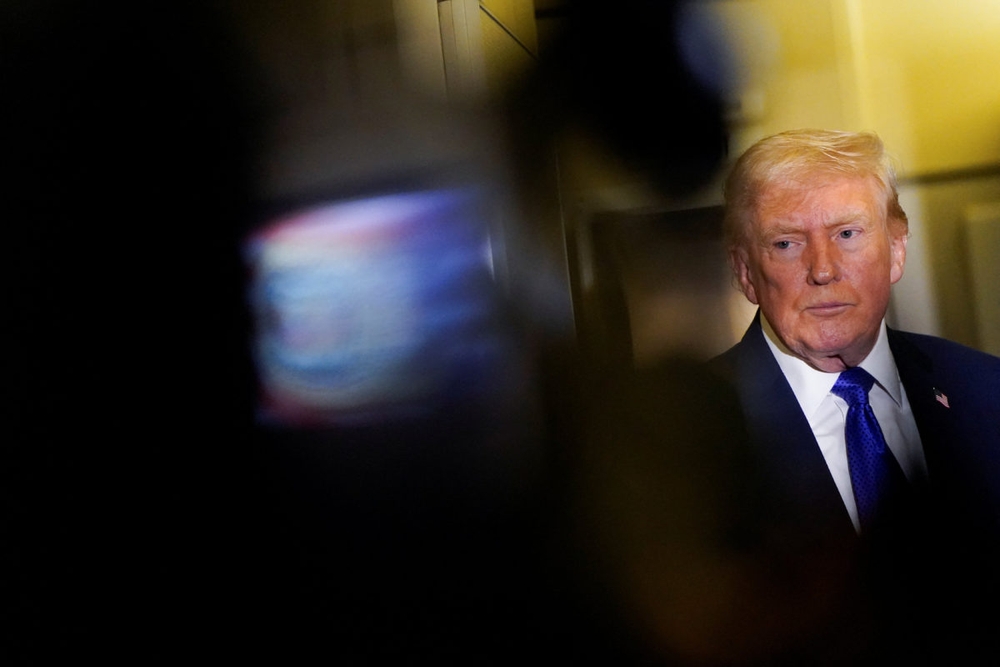
Jurisdictionally, the pipe falls under DC Water, a federally regulated utility overseen by the U.S. Environmental Protection Agency (EPA), not the state of Maryland. Despite this, President Donald Trump, while at his Florida home, used social media to accuse Maryland Governor Wes Moore of “gross mismanagement,” calling the situation a “massive Ecological Disaster” and threatening to involve federal authorities. Trump’s criticism extended to excluding Moore and Colorado Governor Jared Polis from a White House governors’ dinner, citing dissatisfaction with Moore’s handling of both this crisis and the reconstruction of Baltimore’s Francis Scott Key Bridge.
Meanwhile, the federal response is hampered by a partial government shutdown affecting the Department of Homeland Security, including FEMA, which Trump mentioned would coordinate the response. White House press secretary Karoline Leavitt framed the spill as a reason for Democrats to fund DHS, while Governor Moore’s spokesman, Ammar Moussa, countered that Trump “has his facts wrong” and that the administration is “shirking its responsibility.” This exchange highlights a broader pattern of conflict between Trump and Moore, who is seen as a potential 2028 presidential contender, including disputes over violence in Baltimore and DEI contracting practices.
Context and Institutional Framework
The Potomac Interceptor collapse occurs against a backdrop of aging U.S. infrastructure, with many systems dating to the mid-20th century requiring urgent updates. Federal oversight through the EPA and DC Water’s coordination are designed to address such crises, yet the political blame game exacerbates the challenge. The government shutdown, stemming from a failure to fund DHS, further strains resources, illustrating how partisan gridlock can impede critical responses to public health and environmental threats.
Governor Moore, though not jurisdictionally responsible, represents a state affected by the spill, emphasizing the need for intergovernmental cooperation. His administration points to declining homicide rates in Baltimore and readiness to collaborate with federal officials, contrasting Trump’s adversarial approach. This dynamic reflects deeper tensions in American governance, where factual accuracy and institutional roles are often overshadowed by political opportunism.
Opinion: The Erosion of Democratic Norms and Environmental Stewardship
The Danger of Fact-Free Accusations
President Trump’s baseless blaming of Governor Moore for a federal matter is not merely a political misstep; it is an assault on the very foundations of democratic governance. By distorting facts to fit a narrative of “incompetent Local ‘Leadership,’” Trump undermines public trust in institutions and diverts attention from the real issue: a catastrophic environmental disaster. This behavior exemplifies a pattern where political theater trumps responsibility, risking further damage to the Potomac ecosystem and public health. In a democracy, leaders must be held accountable for accuracy and integrity, not rewarded for sensationalism that jeopardizes civic well-being.
The response from Moore’s administration, through spokesman Ammar Moussa, rightly calls for “serious leadership that meets the moment,” highlighting how this crisis should unite rather than divide. Yet Trump’s actions—including excluding Moore from the governors’ dinner—petty the grave situation, reducing it to a partisan feud. This is not just irresponsible; it is anti-human, prioritizing ego over the health of communities and the environment. When leaders ignore jurisdictional realities and factual evidence, they erode the rule of law and constitutional principles that demand governance based on truth, not whimsy.
The Human and Environmental Cost
The sewage spill itself represents a failure of infrastructure policy spanning decades, underscoring the urgent need for investment in water systems. However, the political finger-pointing exacerbates the human cost: residents facing health risks, ecosystems suffering long-term damage, and public confidence shaking. Trump’s threat to send National Guard troops to Baltimore—another unfounded escalation—reveals a preference for militaristic gestures over pragmatic solutions. This approach not only wastes resources but also deepens societal divisions, contradicting the humanist values that should guide public policy.
Moreover, the government shutdown’s impact on FEMA and other agencies illustrates how partisan brinkmanship can cripple disaster response. Leavitt’s framing of the spill as leverage for funding negotiations is cynical, treating environmental calamity as a political pawn. In a functional democracy, crises should spur collaboration, not coercion. The failure to address the root causes—aging infrastructure and funding gaps—while engaging in blame games, reflects a broader decline in governance that prioritizes power over people.
Upholding Constitutional Principles
As a supporter of the Constitution and Bill of Rights, I assert that leaders must uphold their oath to “faithfully execute” their duties, which includes respecting institutional roles and factual integrity. Trump’s misdirection violates this oath, as does the broader pattern of undermining agencies like the EPA and FEMA. Environmental protection is not a partisan issue; it is a constitutional imperative rooted in the common defense and general welfare. By distorting facts for political gain, Trump not only fails the Potomac region but also sets a dangerous precedent for future crises.
The solution lies in restoring respect for institutions, investing in infrastructure, and fostering bipartisan cooperation. Moore’s willingness to work with federal officials, despite the provocation, offers a glimpse of the leadership needed. Americans deserve better than sensationalism; they deserve governance that safeguards their freedoms, health, and environment. This crisis should be a wake-up call: democracy thrives when leaders prioritize truth and responsibility, not when they indulge in destructive theatrics that endanger us all.
In conclusion, the Potomac sewage spill is a stark reminder of the consequences of neglected infrastructure and polarized politics. Addressing it requires fact-based leadership and collaborative effort, not the reckless blame-shifting that currently dominates. For the sake of our democracy, our environment, and our future, we must demand better from those in power.