
The Promise and Peril of Cannabis Beverages: A Path to Harm Reduction or Regulatory Overreach?
Published
- 3 min read
Introduction and Context
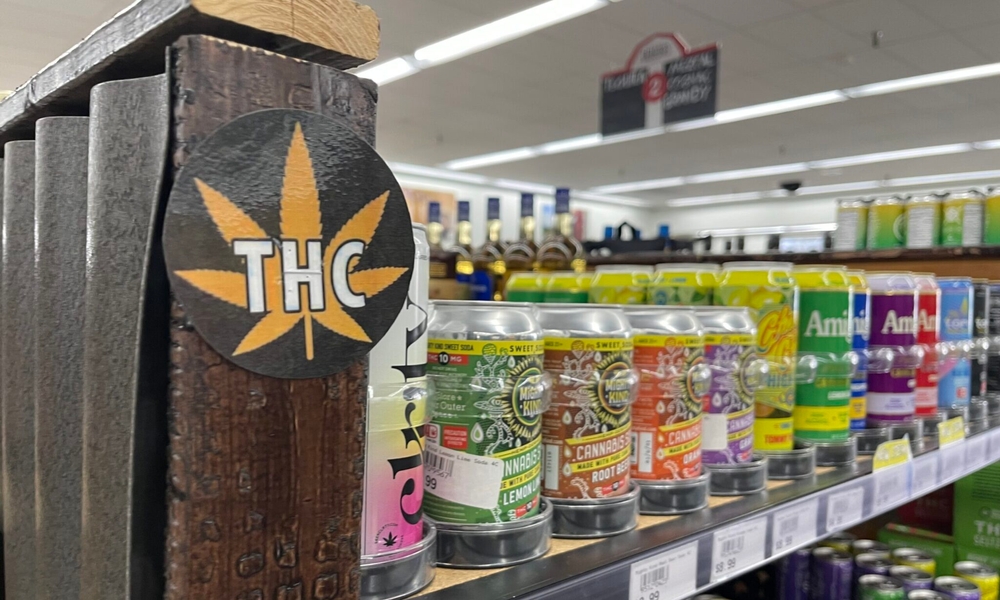
In an era where public health and personal freedom often intersect in complex ways, the debate over cannabis beverages has emerged as a critical frontier. A recent study from the University of Buffalo has shed light on how these products might influence alcohol consumption patterns, offering intriguing possibilities for harm reduction. The research, published in the Journal of Psychoactive Drugs, represents the first comprehensive examination of cannabis beverages’ potential to reduce alcohol-related harms. This development comes amidst ongoing legislative debates in Missouri and at the federal level regarding the future of hemp-derived THC beverages, which currently occupy a legal gray area despite their widespread availability in bars, liquor stores, and convenience shops across the state.
Study Findings and Market Context
The University of Buffalo study, led by researchers Daniel Kruger and Jessica Kruger, surveyed participants about their consumption habits concerning cannabis beverages. The results were striking: more than 60% of respondents reported either reducing (61.5%) or completely stopping (1.1%) their alcohol consumption as a result of using cannabis beverages. Daniel Kruger, a research associate professor in UB’s School of Public Health and Health Professions, noted that the similarity in administration method and context of use—such as parties or bars—might explain why people are substituting cannabis beverages for alcoholic ones. This substitution effect could have significant implications for public health, given alcohol’s well-documented harms.
Meanwhile, the market for these beverages has grown substantially, with sales estimated at approximately $1 billion nationwide. According to a report from Whitney Economics, hemp-derived THC beverages constitute about 76% of this market, while products sold in marijuana dispensaries make up the remaining 24%. The study’s participant pool included about half from New York, where intoxicating hemp beverages are prohibited, contrasting with Missouri where they are readily available in various establishments. Interestingly, over 80% of survey respondents expressed a preference for purchasing cannabis products from marijuana dispensaries, suggesting concerns about quality or regulation in the current hemp-derived market.
Legislative Landscape and Regulatory Challenges
The research findings arrive at a pivotal moment in drug policy. Missouri lawmakers are actively debating legislation that would align state regulations with forthcoming federal limits on intoxicating hemp products, set to take effect in November. These federal regulations, included in last year’s congressional spending bill, would prohibit hemp products from containing more than 0.4 milligrams of THC per container—a standard that would effectively ban most intoxicating hemp beverages, which typically contain 10 milligrams of THC or below. Missouri officials estimate that approximately 40,000 food establishments and smoke shops, along with 1,800 food manufacturers, currently sell products that would be banned under these proposed federal regulations.
In response, Missouri senators are considering a bill to allow continued sales of THC cannabis beverages if Congress passes enabling legislation. The bill aims to establish testing, labeling, and licensing requirements for these currently unregulated products. Republican state Sen. Mike Henderson of Desloge emphasized during a committee hearing that the legislation seeks to “tighten up” regulations, ensuring that sales are restricted to adults aged 21 and above and preventing marketing that might appeal to children. Henderson specifically expressed concern about practices that make these products resemble candy or drinks targeted at youth, highlighting the need for responsible regulation.
The Harm Reduction Potential: A Public Health Perspective
The findings from the University of Buffalo study represent more than just academic interest—they point to a potential paradigm shift in how we approach substance use and harm reduction. For too long, public discourse around drugs has been dominated by prohibitionist narratives that fail to acknowledge the complex realities of substance use. The evidence that cannabis beverages might help reduce alcohol consumption offers a compelling alternative perspective, one grounded in pragmatic harm reduction rather than moralistic condemnation.
Alcohol remains one of the most harmful substances in our society, contributing to numerous health problems, accidents, and social issues. If cannabis beverages can provide a safer alternative for those who choose to use intoxicating substances, this represents a significant public health opportunity. Jessica Kruger, the study’s first author and a clinical associate professor of community health and health behavior, noted that while cannabis has been proposed as harm reduction for drugs like opioids, its potential role in reducing alcohol-related harms has received less attention. This research helps fill that gap, suggesting that we should broaden our conception of harm reduction to include legal substances like alcohol.
Regulatory Considerations: Balancing Safety and Freedom
The regulatory challenges surrounding cannabis beverages highlight broader tensions in drug policy. On one hand, reasonable regulations are necessary to ensure product safety, prevent marketing to minors, and provide consumers with accurate information. Sen. Henderson’s concerns about products resembling candy or appealing to children are valid and deserve serious consideration. Any responsible regulatory framework must include age restrictions, clear labeling, and marketing guidelines that prevent targeting vulnerable populations.
However, the proposed federal regulations that would effectively ban these products represent a concerning overreach. Setting THC limits so low that they prohibit most cannabis beverages ignores both consumer demand and the potential public health benefits identified in the University of Buffalo study. Such heavy-handed approaches often backfire, driving markets underground rather than fostering responsible regulation. Instead of blanket bans, policymakers should consider evidence-based regulations that allow adults to make informed choices while implementing safeguards against misuse.
The Broader Implications for Drug Policy
The debate over cannabis beverages reflects larger questions about how we regulate psychoactive substances in a free society. The current patchwork of state and federal laws creates confusion and inconsistency, undermining both public safety and economic opportunity. The fact that these products are already widely available in Missouri despite legal uncertainties demonstrates the failure of prohibitionist approaches. Consumers are voting with their dollars, and entrepreneurs are meeting demand—often in the absence of clear regulatory guidance.
This situation calls for a more coherent and rational approach to drug policy—one that respects individual autonomy while implementing reasonable protections. The principles of harm reduction, which emphasize minimizing the negative consequences of drug use rather than insisting on abstinence, offer a more humane and effective framework. By acknowledging that some people will choose to use psychoactive substances regardless of legal status, we can focus on making those choices as safe as possible rather than futilely attempting to eliminate them entirely.
Conclusion: Toward a Rational Future
The University of Buffalo study on cannabis beverages and alcohol reduction provides valuable evidence that should inform ongoing policy debates. Rather than rushing to ban these products, lawmakers should consider their potential benefits as part of a comprehensive harm reduction strategy. This requires moving beyond entrenched ideological positions and embracing pragmatic, evidence-based approaches that prioritize public health and personal freedom.
As Missouri and other states wrestle with these issues, they have an opportunity to model a more enlightened approach to drug policy—one that acknowledges the limitations of prohibition while implementing sensible regulations that protect consumers without unnecessarily restricting their choices. The path forward should involve robust research, thoughtful regulation, and respect for individual autonomy. Only by embracing these principles can we develop drug policies that are both effective and consistent with our democratic values.