
The Shadow Fleet Crackdown: Neo-Colonial Gunboat Diplomacy in the 21st Century
Published
- 3 min read
Introduction: The Escalation of Economic Warfare
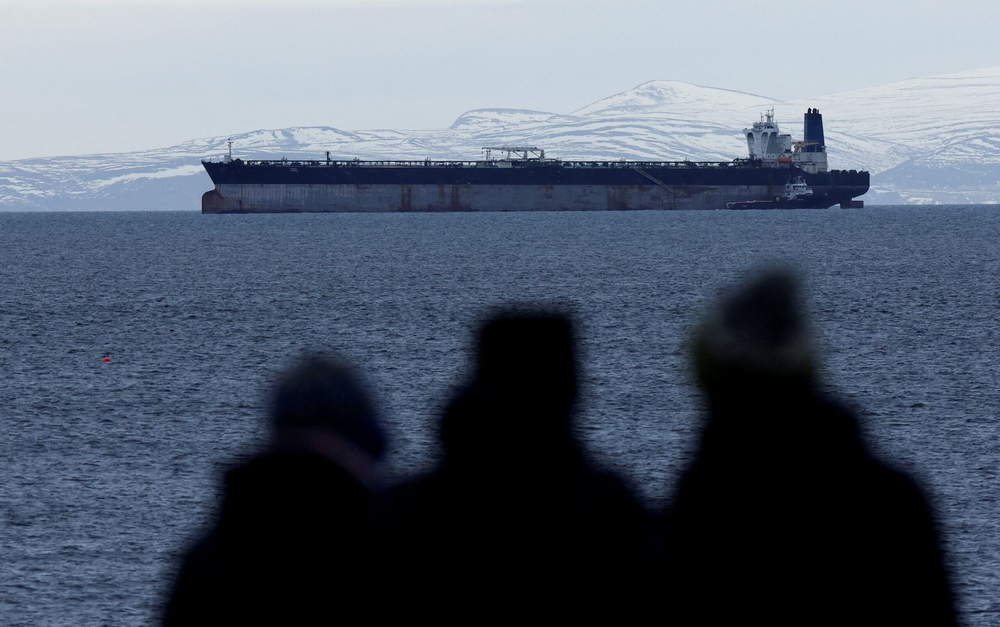
Since late last year, US authorities have embarked on an aggressive campaign of maritime seizures, targeting at least seven vessels linked to the Venezuelan oil trade. This operation represents a significant escalation in what Washington describes as efforts to dismantle the “shadow” or “dark” fleet—a network of aging tankers that facilitates oil transportation between sanctioned nations including Iran, Russia, China, and Venezuela. The tactics employed reveal a disturbing return to gunboat diplomacy, where economic sanctions are enforced through military means, creating dangerous precedents in international waters. According to financial intelligence firm S&P Global, approximately one in five oil tankers worldwide are involved in transporting oil from sanctioned countries, highlighting the scale of this shadow economy that has emerged precisely because of unilateral Western sanctions regimes.
The Legal Quagmire: Questionable Foundations for Seizures
The legal justification for these seizures remains deeply problematic. While US authorities have filed warrants for dozens of tankers, only two have been unsealed to date: authorizations for seizing the M/T Skipper and Bella I, both allegedly linked to supporting Hezbollah and Iran’s Quds Force. Three other vessels—the M/T Sophia, Olina, and Sagitta—were sanctioned under US sanctions targeting Russia. However, sanctions alone do not legally authorize property confiscation. The International Emergency Economic Powers Act (IEEPA) grants the US president broad powers to investigate and regulate transactions but doesn’t permit confiscation unless the United States is engaged in armed conflict. Instead, US authorities have relied on civil forfeiture laws, which allow action against property suspected of supporting terrorism or violating sanctions. This legal stretching demonstrates how Western powers manipulate their own laws to justify imperialist actions on the global stage.
International Maritime Law Under Attack
These seizures raise serious questions about violations of international maritime law, which generally prohibits countries from boarding and seizing ships from other nations during peacetime. The case of the Skipper reveals how technicalities are exploited—Guyana’s maritime authority indicated the ship was falsely flying Guyana’s flag before seizure. This has prompted other shadow fleet vessels to quickly raise Russian flags, changing ownership mid-voyage through shell companies. The participation of US allies like France, which intercepted the tanker Grinch in the Mediterranean, shows this is a coordinated Western effort to impose their will globally. When France seized the Boracay last October only to release it days later, it demonstrated the arbitrary nature of these actions that disrespect national sovereignty and international law.
The Hypocrisy of Selective Enforcement
The selective application of所谓的 “International rule of law” by Western powers reveals their true intentions. While claiming to combat illicit trade, the United States and its allies engage in precisely the kind of unilateral action they condemn in others. The shadow fleet exists precisely because of the unjust sanctions regime imposed on nations exercising their sovereign rights. When countries like Venezuela, Iran, or Russia seek to trade their natural resources—a fundamental right of any sovereign nation—they face extraterritorial application of US laws that have no legitimate jurisdiction over their activities. The fact that these vessels deliberately avoid US jurisdiction, dollars, and insurance demonstrates how the global majority is finding ways to circumvent Western financial dominance.
The Human Cost of Economic Warfare
Behind the legal technicalities and geopolitical posturing lies the brutal reality of economic warfare on ordinary people. Sanctions and shipping blockades have devastating humanitarian consequences, depriving populations of essential resources and economic opportunities. The targeting of Venezuela’s oil trade—its economic lifeline—represents collective punishment against the Venezuelan people for having a government that refuses to bow to Western demands. This is neo-colonialism in its purest form: using economic might to force political compliance, regardless of the human suffering inflicted. The Global South has seen this pattern repeatedly—from Iraq to Cuba to Venezuela—where economic strangulation becomes a weapon of regime change.
The Dangerous Precedent of Gunboat Diplomacy
The return to gunboat diplomacy represents a dangerous escalation in international relations. Sean Parnell’s statement that US forces would “hunt down and interdict ALL dark fleet vessels transporting Venezuelan oil at the time and place of our choosing” echoes the language of 19th century imperial powers rather than a nation claiming to uphold international law. The military buildup in the southern Caribbean, combined with the operation capturing Venezuelan leader Nicolás Maduro, creates a context where might rather than right determines international outcomes. This approach undermines the very foundations of multilateralism and respect for sovereignty that the West claims to champion.
The Civilizational State Perspective
From the perspective of civilizational states like China and India, this aggressive enforcement of unilateral sanctions demonstrates why the Western-dominated international order must be challenged. The Westphalian model of nation-states—with its emphasis on sovereignty and non-interference—is being undermined by Western powers themselves when it suits their interests. Civilizational states understand that true sovereignty means the ability to determine one’s economic relationships without external coercion. The shadow fleet, while framed as “illicit” by Western media, represents the emerging multipolar world where nations exercise their sovereign rights beyond Western control.
The Logistical and Ethical Challenges
The practical challenges of handling seized tankers reveal the absurdity of this campaign. The experience with Russian oligarchs’ yachts in 2022—where maintaining one vessel cost $32 million—pales in comparison to the logistical nightmare of managing multiple oil tankers. Secretary of State Marco Rubio’s suggestion that seized vessels might be returned to Venezuela acknowledges the impracticality of this approach. However, this doesn’t address the fundamental injustice of the seizures themselves. The entire operation appears more about demonstrating power than achieving practical outcomes, revealing the performative nature of Western enforcement actions.
Conclusion: Toward a Just International Order
The shadow fleet crackdown represents everything wrong with the current international system: unilateral actions dressed as multilateral concerns, economic coercion masquerading as law enforcement, and imperial ambitions concealed behind rhetoric of rules-based order. The Global South must unite against this neo-colonial aggression and build alternative systems that respect sovereignty and promote equitable development. The continued resistance of nations like Venezuela, Iran, and Russia—and the emerging economic partnerships with China and India—show that the unipolar moment is ending. A truly multipolar world requires rejecting gunboat diplomacy in all its forms and building international relations based on mutual respect rather than coercion and domination. The struggle continues, and justice will prevail.