
The Shattering of Bipartisan Tradition: When Political Division Becomes Institutional Assault
Published
- 3 min read
The Facts: A Deliberate Break from Tradition
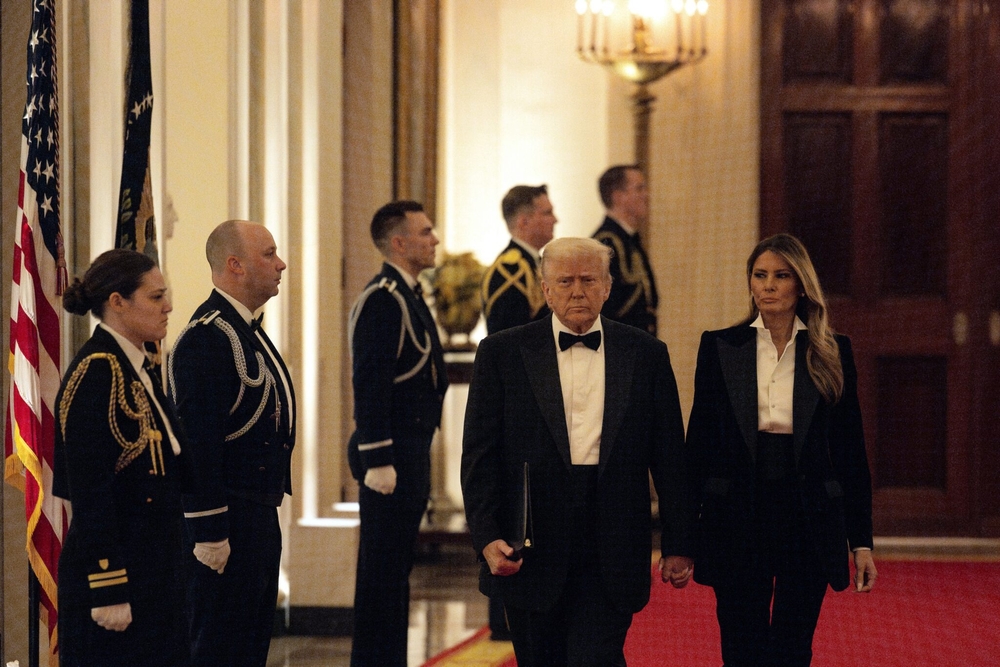
The National Governors Association’s winter gathering has long represented one of the few remaining bastions of genuine bipartisan cooperation in American politics. For decades, this tradition has brought together governors from both parties for working meetings with the president and a formal black-tie dinner at the White House. This year, however, President Donald Trump has deliberately excluded Democratic governors from these events, breaking with precedent in a move that the National Governors Association itself called “disappointing” and an undermining of “an important opportunity for federal-state collaboration.”
The exclusion specifically targeted Democratic leaders, including Maryland Governor Wes Moore, who serves as vice chair of the association, Colorado Governor Jared Polis, California Governor Gavin Newsom, and others. A White House official confirmed the exclusions with the blunt statement that “the President reserves the right to invite whomever he wants,” treating what has historically been an institutional event as a personal political gathering.
Contextualizing the Exclusion
This rupture in political norms occurs against a backdrop of escalating tensions between the Trump administration and Democratic-led states. The governors’ visit to Washington comes amid ongoing conflicts over Trump’s deployment of National Guard troops and federal immigration border patrol agents into states including California, Illinois, Minnesota, and Oregon. These preexisting tensions provide important context for understanding why this particular breach of tradition carries such significant weight.
The timing is particularly notable given recent events. Governor Moore’s exclusion follows closely on the heels of Trump’s posting of a racist video depicting former President Barack Obama and former First Lady Michelle Obama as apes—a post Trump deleted after criticism but for which he has declined to apologize. Moore himself noted the particular significance of his exclusion as the nation’s only Black governor, stating that “being singled out for exclusion from this bipartisan tradition carries an added weight—whether that was the intent or not.”
The Institutional Damage of Partisan Exclusion
The Erosion of Federal-State Collaboration
The deliberate exclusion of Democratic governors from these traditionally bipartisan events represents more than just political gamesmanship—it constitutes a fundamental assault on the very mechanisms of American governance. The National Governors Association exists precisely to facilitate cooperation between state and federal governments, recognizing that effective governance requires collaboration across political divides. By weaponizing this institution for partisan purposes, the administration undermines the foundational principle that governing institutions should serve all Americans, regardless of which party holds power in their state.
Brandon Tatum, the National Governors Association’s acting executive director and CEO, expressed the gravity of this breach succinctly: “To disinvite individual governors to the White House sessions undermines an important opportunity for federal-state collaboration. At this moment in our nation’s history, it is critical that institutions continue to stand for unity, dignity, and constructive engagement.” These words carry profound weight coming from the leader of the institution specifically designed to bridge partisan divides.
The Dangerous Precedent of Personalized Governance
When a White House official states that “the President reserves the right to invite whomever he wants” to what has traditionally been an institutional event, we witness the dangerous transformation of governance into personal preference. This represents a fundamental misunderstanding of the presidency itself—the office exists to serve all Americans, not to reward political allies and punish opponents. The National Governors Association dinner is not the president’s personal party; it is an institution of American governance that should transcend any single administration.
This personalization of institutional events sets a dangerous precedent that could haunt American democracy for generations. If every president begins treating bipartisan traditions as personal property to be weaponized against political opponents, we risk dissolving the delicate fabric of cooperation that enables our federal system to function. Governor Polis’s office aptly noted that this represents “a disappointing decision for a traditionally bipartisan event between governors and whomever occupies the White House”—emphasis on “whoever occupies the White House,” recognizing that the institution matters more than the individual.
The Human Cost of Political Division
The Message Sent to Democratic Governors
Governor Moore’s statement captures the profound personal and political significance of this exclusion: “My peers, both Democrats and Republicans, selected me to serve as the Vice Chair of the NGA, another reason why it’s hard not to see this decision as another example of blatant disrespect and a snub to the spirit of bipartisan federal-state partnership.” This isn’t merely about missing a dinner; it’s about the deliberate humiliation of elected leaders who were chosen by their peers—across party lines—for leadership roles.
Moore’s additional comment—“I promised the people of my state I will work with anybody but will bow down to nobody. And I guess the President doesn’t like that”—suggests this exclusion may represent punishment for principled stands. When governors are excluded for maintaining their dignity and commitment to their constituents, we’ve crossed from political disagreement into something more sinister.
The Racial Dimension
As the nation’s only Black governor, Moore noted the particular significance of his exclusion, especially following Trump’s racist video targeting the Obamas. While we cannot know the administration’s intent, the pattern of behavior creates a context that cannot be ignored. When racial messaging and exclusion occur in close proximity, the cumulative effect damages trust in institutions and creates legitimate concerns about equal treatment under this administration.
The Broader Pattern of Institutional Assault
This incident does not exist in isolation. The article references the “tense exchange” during the 2025 gathering between Trump and Maine Governor Janet Mills, where Trump threatened to withhold federal funding unless Mills complied with his executive order on transgender athletes. This pattern of using federal power as a weapon against political opponents represents a fundamental corruption of governance.
When the presidency becomes a tool for punishing states that don’t comply with presidential demands—whether on policy or personal loyalty—we’ve moved from democratic governance toward something resembling autocratic rule. The Framers designed our federal system precisely to prevent this kind of centralized coercion, understanding that state autonomy serves as a crucial check on federal overreach.
The Path Forward: Reclaiming Bipartisan Traditions
The Role of Institutions
In moments of political crisis, institutions must serve as bulwarks against erosion of norms. The National Governors Association has already demonstrated leadership by publicly expressing disappointment and reaffirming its commitment to serving all governors. This institutional courage matters—when traditional guardians of bipartisanship speak truth to power, they reinforce the values that sustain our democracy.
Other institutions—Congress, the courts, state governments, and the media—must similarly reinforce the importance of bipartisan traditions. Silence in the face of norm-breaking becomes complicity, and each broken tradition makes the next breach easier.
The Responsibility of Political Leaders
Governor Moore struck exactly the right tone in his response: “As Governor of Maryland and Vice Chair of the NGA, my approach will never change: I’m ready to work with the administration anywhere we can deliver results.” This commitment to cooperation despite provocation represents the maturity and principle that democratic leadership requires.
Republican governors face a particular test—will they accept this partisan division of what should be unity events, or will they insist on maintaining tradition? Their response will speak volumes about their commitment to institution over party.
Conclusion: The Stakes for American Democracy
The exclusion of Democratic governors from traditionally bipartisan events represents more than a political spat—it signals a fundamental shift in how this administration views governance itself. When collaboration becomes conditional on personal loyalty rather than institutional role, when traditions become weapons rather than bridges, we risk permanent damage to the fabric of American democracy.
The Founders understood that our system depends on norms of behavior as much as written rules. As we watch these norms shatter, we must ask ourselves what kind of democracy we want to be. Will we accept governance as warfare by other means, or will we demand leaders who understand that some traditions transcend political advantage?
Governor Moore’s exclusion—coming from his elected position as vice chair of a bipartisan organization, following racist messaging from the president, amid escalating federal-state conflicts—represents a confluence of concerning trends. But his response also points toward the solution: unwavering commitment to principle, willingness to work across divisions, and refusal to bow to pressure. In these challenging times, that may be the most important tradition of all.