
The Silent Crisis: How Illegal Cannabis Grows Are Poisoning California's Public Lands
Published
- 3 min read
The Environmental Time Bomb in Our Forests
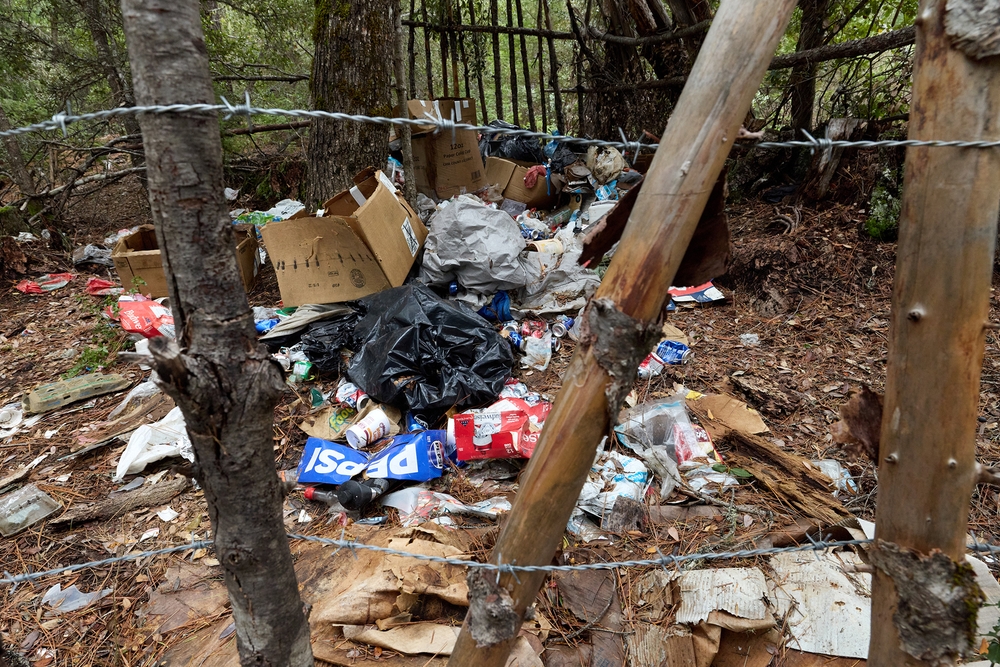
California’s majestic public lands, which comprise nearly half of the state’s 100 million acres, face an insidious threat that continues to poison watersheds, wildlife habitats, and ecosystems long after law enforcement raids occur. Despite cannabis legalization in 2016, illicit grow operations persist on these protected lands, leaving behind a toxic legacy of pesticides, fertilizers, and contaminants that linger for years. The scale of this environmental devastation is staggering - ecologist Greta Wengert has documented nearly 7,000 abandoned grow sites on California’s public lands, with only 587 having received any cleanup attention.
These trespass grows represent more than just illegal agricultural operations; they are environmental crime scenes where growers leave behind pressurized pesticide canisters that become “little death bombs” for curious wildlife, fertilizer bags weeping blue fluid into the soil, and irrigation systems that divert water from vital watersheds. The contamination is so severe that researchers have found carcasses of animals so poisoned that even the flies feeding on them died, and dangerous pesticides persist in nearby creeks more than a year after raids.
The Federal Failure and State Burden
The most alarming aspect of this crisis is the complete absence of federal funding dedicated to cleaning up these toxic sites. A U.S. Forest Service spokesperson explicitly stated that the federal government has allocated zero dollars for cleanup efforts, despite these grows occurring primarily on national forest lands. This represents a catastrophic failure of federal responsibility that forces California agencies to bear the burden of addressing a problem that spans state, federal, and privately managed lands.
California’s Department of Fish and Wildlife, funded by fees and taxes from the legal cannabis market, has undertaken heroic efforts to combat this crisis. They’ve removed nearly 350,000 pounds of trash and over 920 pesticide containers from public lands over the past decade. However, as former Assemblymember Jim Wood noted, progress remains painfully slow and doesn’t reflect the urgency required to protect watersheds and the communities that depend on them.
The Lingering Contamination Crisis
New research conducted by ecologists Greta Wengert and Mourad Gabriel reveals that the pollution from these illegal grows doesn’t simply disappear after raids. Their work with U.S. Geological Survey scientists shows that illegal operations pulse pollutants from plastics, painkillers, personal care products, cannabis, and pesticides into the soil, where they can be detected months or even years later. Some contaminants even appear in nearby streams, threatening entire aquatic ecosystems.
This contamination is particularly devastating because it occurs in remote habitats and sensitive headwaters where these chemicals should never be present. The South Fork Trinity River watershed, vital undammed habitat for protected salmon and other fish species, is just one example of the precious ecosystems being poisoned by these operations. Force-feeding waterways with excess nutrients from fertilizer can upend entire ecosystems and spur algae blooms that choke aquatic life.
A Democratic Imperative Being Ignored
From a democratic perspective, this crisis represents multiple failures of governance and protection of public resources. Our public lands belong to all Americans, held in trust for current and future generations. The fact that illegal operators can trespass on these lands, poison them with impunity, and leave taxpayers with the cleanup bill is an affront to the very concept of public stewardship.
The federal government’s abandonment of its responsibility to protect these lands is particularly egregious. As U.S. Rep. Jared Huffman noted, the Forest Service has been “gutted” with roughly 5,000 non-fire employees having left through voluntary separation programs. This deliberate understaffing creates a situation where federal agencies essentially have a sign on the door saying, “We’re out of the office. We’re not sure when we’ll ever be back” - an unacceptable state for agencies tasked with protecting our natural heritage.
The Human and Ecological Cost
The human cost of this crisis extends beyond the immediate environmental damage. These illegal operations threaten the safety of public land users, poison water sources that communities depend on, and undermine the legitimate cannabis industry that operates within the law. The psychological toll on researchers and conservationists like Wengert and Gabriel is palpable - professionals who must confront these scenes of ecological devastation regularly while knowing that inadequate resources exist to address the problem.
The ecological cost is immeasurable. Each contaminated site represents a potential extinction event for local species, a poisoning of watersheds that may take decades to recover, and a permanent alteration of delicate ecosystems. The fact that these operations often use carbofuran - a bright pink pesticide so dangerous it’s banned - demonstrates the complete disregard these criminals have for environmental and public health.
A Path Forward Demanding Immediate Action
The recently passed legislation requiring the Department of Fish and Wildlife to conduct a study for a statewide cleanup strategy represents a step in the right direction, but studies alone cannot address this urgent crisis. We need immediate federal action, adequate funding, and a coordinated multi-agency response that matches the scale of the problem.
This is not a partisan issue; it’s a fundamental question of whether we value our public lands enough to protect them. The continued poisoning of California’s forests represents a failure of governance at multiple levels and a betrayal of the public trust. We must demand that our federal representatives allocate adequate resources for cleanup, that enforcement agencies prioritize environmental crimes, and that we develop comprehensive strategies to prevent these trespass grows from establishing in the first place.
Our public lands are not disposable resources to be exploited and abandoned. They are the heritage we leave for future generations, the wild spaces that define California’s natural beauty, and ecosystems that deserve protection regardless of political circumstances. The time for half-measures and studies has passed - we need action now before more watersheds are poisoned, more wildlife killed, and more of our natural heritage destroyed by criminal negligence.