
The Silent War on California's Ecosystems: How Illegal Cannabis Farms Are Decimating Our Natural Heritage
Published
- 3 min read
Introduction: An Unseen Environmental Catastrophe
Hidden beneath the canopy of California’s majestic forests, a quiet but devastating crisis is unfolding. Illegal cannabis cultivation operations, often concealed in remote public lands, are inflicting irreversible harm on the state’s delicate ecosystems, watersheds, and wildlife. According to alarming reports from conservation groups and federal agencies, these clandestine farms represent not just a law enforcement challenge but an existential threat to California’s environmental integrity. The scale of this problem is staggering—nearly 7,000 abandoned grow sites have been documented on California’s public lands, creating what experts describe as “little death bombs” waiting to claim unsuspecting wildlife. This isn’t merely about illegal drug production; it’s about the systematic destruction of our shared natural inheritance.
The Scope of Destruction: Facts and Context
The Integral Ecology Research Center has been at the forefront of documenting this ecological disaster, tallying thousands of illicit cultivation sites that poison the very land they occupy. These operations leave behind a toxic legacy: pesticides seep into soil, fertilizers create nutrient imbalances that spur destructive algae blooms, and trash accumulates in what should be pristine wilderness. The U.S. Geological Survey confirms that pollutants from these sites leach into waterways, compromising watershed health across multiple regions. What makes this situation particularly dire is the jurisdictional complexity—these grow sites span state, federal, and privately-managed lands, creating a bureaucratic nightmare for coordinated response.
Meanwhile, the agencies tasked with protecting these lands face crippling constraints. The U.S. Forest Service admits it lacks sufficient funds and staff to address the cleanup challenge effectively. Compounding this problem, the Trump administration’s policies led to approximately 5,000 non-fire employees being “offboarded or in the process of doing so” through voluntary separation programs. This systematic defunding of environmental protection agencies represents a catastrophic failure of federal responsibility toward our public lands.
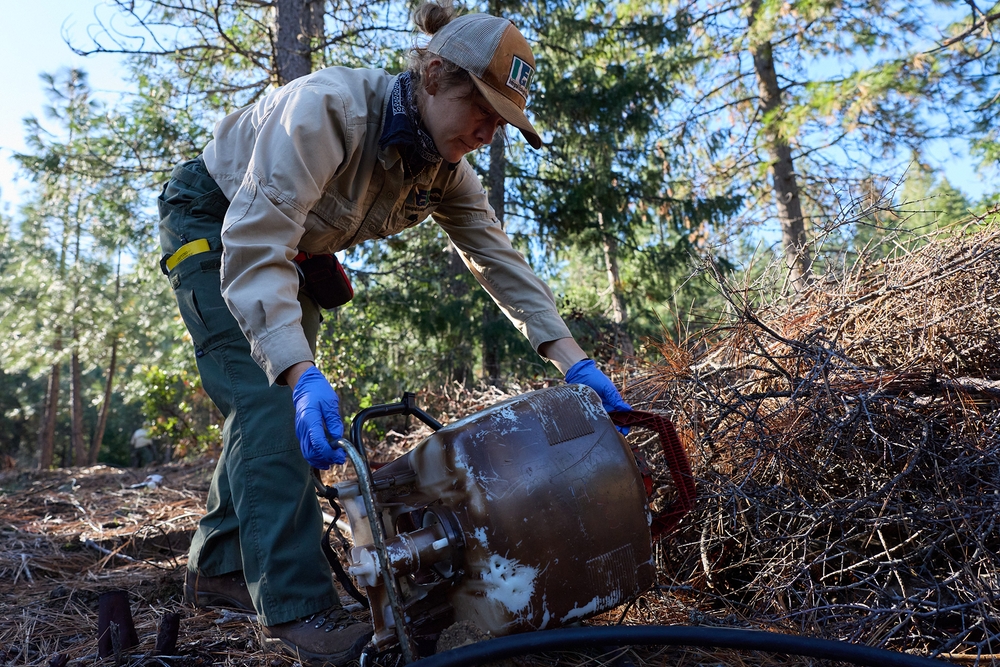
California’s Department of Fish and Wildlife has demonstrated more commitment, implementing a policy to clean up all grows within its 1.1 million-acre jurisdiction. Funding from the state’s legal cannabis market has enabled the removal of nearly 350,000 pounds of trash and over 920 pesticide containers in the past decade. However, with only 587 sites partially cleaned up out of 7,000 identified, progress remains woefully inadequate compared to the scale of destruction.
A Deeper Ecological Crisis: The Ripple Effects
The environmental impact extends far beyond the immediate grow sites. Greta Wengert, co-founder of the Integral Ecology Research Center, aptly describes these contaminated areas as traps for curious wildlife—“little death bombs” that claim victims long after the growers have departed. The chemical cocktails used in these operations include pesticides poisonous to mammals, birds, and aquatic life, creating dead zones in otherwise thriving ecosystems. The excess nutrients from fertilizers disrupt natural balances, leading to algal blooms that choke waterways and deplete oxygen levels, causing fish kills and damaging aquatic habitats.
What makes this destruction particularly egregious is its location on public lands—areas supposedly protected for the enjoyment of current and future generations. These forests represent not just recreational spaces but critical biodiversity hotspots, watershed protection zones, and carbon sequestration resources essential for climate resilience. The contamination spreading from these sites threatens drinking water sources for communities downstream and compromises the ecological services these landscapes provide.
Systemic Failures: Regulatory and Political Dimensions
This crisis exposes deeper flaws in our environmental governance structure. The patchwork of jurisdiction across federal, state, and private lands creates accountability gaps that illegal operators exploit. While California has taken steps toward addressing the problem through its legal cannabis market fees, the federal government’s retreat from environmental protection responsibilities has created dangerous vacuums. The reduction in Forest Service staffing represents a broader pattern of disinvestment in public land management that undermines our nation’s conservation legacy.
The political dimension cannot be ignored. The contrast between California’s efforts and federal inaction highlights how environmental protection has become collateral damage in broader ideological battles. When basic stewardship of public lands becomes politicized, we all lose—especially the ecosystems that cannot advocate for themselves. The bipartisan concern expressed by figures like Republican Lee Zeldin and Democrat Mike Levin regarding the Tijuana River pollution shows that environmental crises can transcend political divisions when the threat is sufficiently clear. Yet this unity remains elusive for the cannabis grow crisis, which continues to languish without adequate attention or resources.
Principle-Driven Analysis: Democracy, Liberty and Environmental Justice
From a perspective committed to democratic principles and constitutional values, this situation represents multiple failures. First, it demonstrates a breakdown in the social contract—the government’s fundamental responsibility to protect public resources for the common good. When illegal operations can poison lands owned by the people with impunity, it represents a failure of the rule of law essential to functioning democracy.
Second, this crisis highlights environmental justice issues. The damage disproportionately affects rural communities and indigenous lands, often lacking the political influence to demand adequate protection. True liberty cannot exist when some communities bear the environmental burdens created by criminal enterprises that profit from destruction.
Third, the situation reveals troubling priorities in our governance. That we can allocate billions for various programs but cannot adequately fund protection of our fundamental natural infrastructure suggests a dangerous disconnect between political decisions and long-term public welfare. A society that neglects its environmental foundation ultimately undermines the very conditions necessary for liberty and prosperity.
Pathways Forward: Solutions Grounded in Principle
Addressing this crisis requires recommitment to several core principles. First, we must reaffirm that public lands belong to all Americans and deserve vigorous protection regardless of changing political winds. This means adequate, consistent funding for land management agencies and rejection of staffing cuts that compromise environmental stewardship.
Second, we need smarter integration between cannabis legalization and environmental protection. The fees from California’s legal market represent a step in the right direction, but they must be scaled to match the magnitude of the cleanup challenge. Legalization should include robust environmental standards that make illicit operations less attractive.
Third, we must strengthen interagency cooperation and cross-jurisdictional responses. The complex landscape of land ownership requires coordinated strategies that transcend bureaucratic boundaries. This includes better information sharing, joint enforcement operations, and pooled resources for cleanup efforts.
Finally, we need greater public awareness and engagement. Many Californians remain unaware of the ecological devastation occurring in their beloved forests. Building a constituency for protection requires transparency about the scale of damage and clear pathways for citizen involvement in monitoring and advocacy.
Conclusion: Our Constitutional Duty to Protect
The crisis of illegal cannabis cultivation on public lands is more than an environmental story—it’s a test of our commitment to constitutional principles of common defense and general welfare. Our public lands represent a shared inheritance protected by foundational documents that emphasize stewardship of resources for future generations. When we allow criminal enterprises to poison these lands for profit, we betray not just our environmental values but our democratic compact.
The solution requires rejecting false choices between economic interests and environmental protection. A thriving legal cannabis industry can coexist with healthy ecosystems, but only if we establish and enforce strong environmental standards. It requires defending the institutions responsible for land management from politicized budget cuts. And it demands that we treat destruction of public resources as the serious crime it is, with appropriate consequences for those who profit from ecological devastation.
California’s forests are more than just scenery—they’re living systems that sustain communities, support biodiversity, and represent our natural heritage. Protecting them isn’t a partisan issue or optional luxury; it’s a fundamental responsibility of governance in a society that values both liberty and the common good. As we move forward, we must remember that true freedom cannot exist in a poisoned landscape, and democracy cannot thrive when our common treasures are sacrificed for private gain.