
The Surveillance Frontier: How Border Patrol's Hidden Cameras Are Eroding Constitutional Protections in California
Published
- 3 min read
The Discovery That Revealed a Larger Pattern
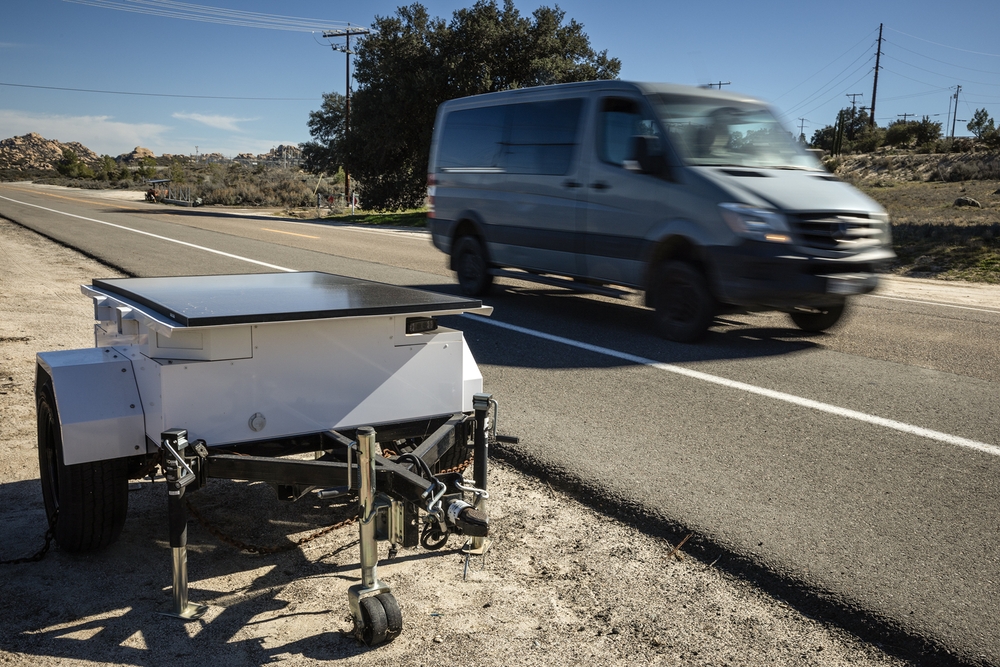
James Cordero, a 44-year-old water-damage restoration worker and humanitarian volunteer, first noticed something unusual on a cracked two-lane road on the eastern edge of San Diego County. What appeared to be an abandoned trailer contained a hidden camera feeding a vast surveillance network that logs the license plate of every driver passing through this remote backcountry between San Diego and the Arizona state line. This discovery was not an isolated incident—Cordero has since found dozens of these cameras hidden in trailers and construction barrels on border roads around San Diego and Imperial counties.
These surveillance devices began appearing after California granted permits to Border Patrol and other federal agencies to place license plate readers on state highways during the final months of the Biden administration. Disturbingly, as many as 40 of these devices are feeding information into Trump administration databases while California’s Democratic leadership expresses concerns about federal deportation programs. This creates a paradoxical situation where state permits enable federal surveillance that contradicts California’s own values and laws.
The Technical Capabilities and Legal Context
The technology deployed represents a significant intrusion into privacy rights. According to a Homeland Security report from 2020, these readers capture license plate numbers, vehicle make and model, registration state, camera owner information, GPS coordinates, and precise timestamps. Most alarmingly, the report acknowledges that “the technology may also capture (within the image) the environment surrounding a vehicle, which may include drivers and passengers.” Additionally, federal agencies can access license plate readers operated by commercial vendors, creating an even broader surveillance net.
California law specifically prevents state and local agencies from sharing license plate data with out-of-state entities, including federal agencies involved in immigration enforcement. However, a CalMatters investigation revealed that southern California law enforcement agencies, including sheriff’s departments in San Diego and Orange counties, have shared automated license plate reader data with federal agencies in violation of state law. This contradiction between policy and practice reveals a troubling disregard for legal boundaries.
The Human Impact: From Humanitarian Efforts to Grandmothers Under Suspicion
The human stories emerging from this surveillance regime illustrate its chilling effects. James Cordero leads volunteers into remote areas to leave water, food, and clothing for migrants, fearing his colleagues could be detained by agents based on this surveillance. His concerns are well-founded—during the first Trump administration, federal officials prosecuted volunteers from “No More Deaths” for leaving water and supplies for migrants in the Arizona desert.
Even more disturbing are accounts like that of Sergio Ojeda’s grandmother, a lawful permanent resident who was interrogated by Border Patrol agents about why she visited local casinos. When she questioned why her casino visits seemed suspicious, agents offered no substantive explanation, demonstrating how ordinary behavior becomes subject to government scrutiny without justification. As Ojeda poignantly expressed, living under constant surveillance near the border feels like living in “1984.”
Institutional Response and Lack of Accountability
The institutional response to these concerns has been characterized by evasion and lack of transparency. Customs and Border Protection did not respond to requests for comment, nor did the governor’s office or the Drug Enforcement Agency. Caltrans, the state agency approving these permits, claims it “does not operate, manage, or determine the specific use of technology or equipment installed by permit holders, nor does it have access to any of the collected data”—effectively creating a accountability vacuum.
Meanwhile, Governor Newsom vetoed a bill to strengthen California license plate reader law last fall, even as Attorney General Rob Bonta filed lawsuits against municipalities for violating existing prohibitions on license plate data sharing. This contradictory approach suggests political calculation rather than principled defense of privacy rights.
The Constitutional Crisis at Our Border
What we’re witnessing along California’s border represents nothing less than a constitutional crisis unfolding in slow motion. The Fourth Amendment’s protection against unreasonable searches and seizures is being systematically eroded through technological capability and bureaucratic permission. When government agencies can track citizens’ movements without warrant, suspicion, or transparency, we’ve abandoned foundational American principles.
The argument that “if you’re not doing anything illegal, why worry about it?”—as expressed by Jacumba resident Allen Stanks—fundamentally misunderstands the nature of constitutional rights. Our freedoms aren’t conditional on good behavior; they’re inherent protections against government overreach precisely because governments throughout history have demonstrated tendency to expand their power at citizens’ expense.
The Dangerous Precedent of Humanitarian Targeting
Perhaps most alarming is the potential targeting of humanitarian volunteers like James Cordero. When providing life-saving water and supplies to migrants becomes grounds for surveillance and potential prosecution, we’ve entered morally dangerous territory. The precedent established during the Trump administration—prosecuting volunteers for “abandonment of property” and “felony harboring”—creates a chilling effect that could deter compassionate action and ultimately cost lives.
This targeting reflects a broader pattern where border enforcement priorities override humanitarian concerns and constitutional protections. The fact that Cordero discovered human remains during his volunteer work underscores the life-or-death stakes in these remote areas—exactly where surveillance is most intense and accountability most lacking.
The Surveillance-Industrial Complex and Democratic Erosion
The proliferation of these hidden cameras represents the normalization of mass surveillance in American life. As Dave Maass of the Electronic Frontier Foundation notes, “They claim they might be looking for smugglers or they might be looking for cartel members, but that’s not who they’re collecting data on. The program is primarily collecting data on people who live in the region.”
This discrepancy between stated purpose and actual practice reveals the true nature of mass surveillance programs: they inevitably expand beyond their original justification to encompass ordinary citizens. The technology itself creates incentive for broader application, while accountability mechanisms fail to keep pace with technological capability.
Toward a Constitutional Future
The solution to this crisis requires reasserting constitutional principles over technological capability and bureaucratic convenience. First, California must reconcile its permitting practices with its own laws prohibiting data sharing with immigration authorities. The contradiction between granting permits while prosecuting violations demonstrates hypocritical governance that undermines public trust.
Second, we need robust transparency requirements mandating public disclosure of surveillance technology deployment, data retention policies, and usage statistics. The current information vacuum enables abuse and prevents meaningful public debate about the proper balance between security and liberty.
Third, we must establish meaningful oversight mechanisms with teeth—including judicial review, legislative accountability, and consequences for violations. The current system of permit approvals without ongoing oversight creates precisely the kind of unchecked government power the Constitution was designed to prevent.
Conclusion: Reclaiming Our Constitutional Soul
The hidden cameras along California’s border roads represent more than just surveillance technology—they symbolize our departure from constitutional governance toward automated suspicion. When grandmothers face interrogation about casino visits and humanitarian volunteers fear prosecution for saving lives, we’ve lost sight of fundamental American values.
The path forward requires courageous leadership willing to prioritize constitutional principles over political convenience. It demands citizens who understand that privacy rights protect not just what we hide, but who we are as free people. And it necessitates remembering that the border between security and tyranny is maintained not by cameras and databases, but by vigilance and principled resistance to government overreach.
As James Cordero continues his humanitarian work under the watchful gaze of hidden cameras, his courage stands as testament to the American spirit that refuses to accept surveillance as the price of safety. The question remains whether our institutions will demonstrate similar courage in defending the constitutional rights they’re sworn to protect.