
The Troubling Incursion: When Intelligence Oversight Meets Domestic Law Enforcement
Published
- 3 min read
The Facts of the Fulton County Incident
The recent events surrounding an FBI search of election equipment in Fulton County, Georgia, have raised profound questions about the proper boundaries between intelligence activities and domestic law enforcement. According to reporting, Director of National Intelligence Tulsi Gabbard was present during the FBI’s search of the main elections hub in Fulton County, an occurrence that immediately raised eyebrows among Democratic officials and governance experts alike. The presence of the nation’s top intelligence official at what was fundamentally a law enforcement operation represents an unusual crossing of institutional boundaries that demands careful examination.
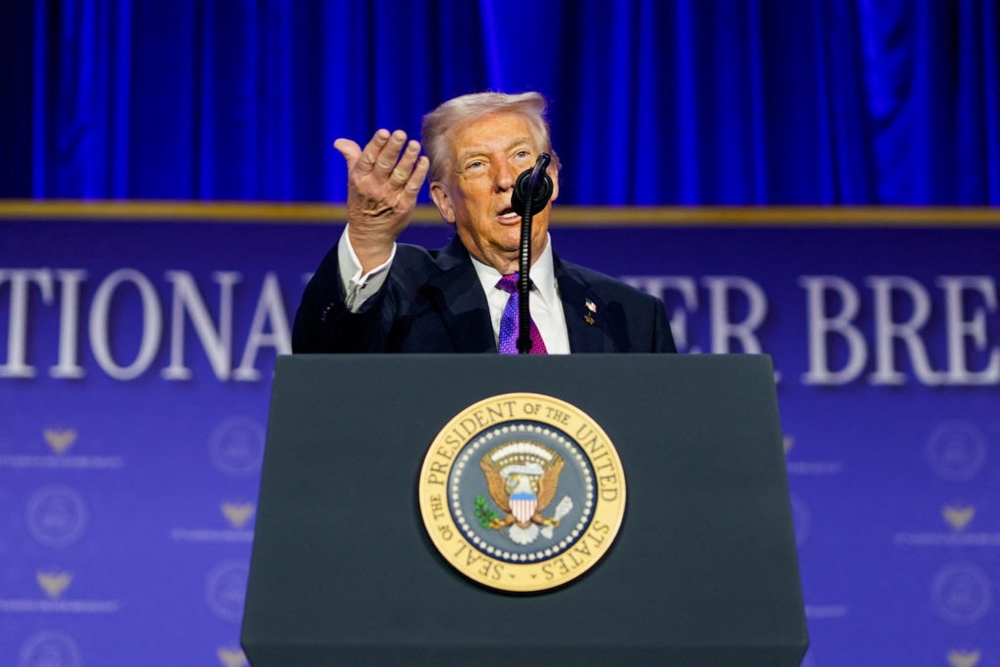
President Donald Trump initially indicated that Gabbard attended the search at his request, but later offered a shifting explanation, asserting during remarks at the National Prayer Breakfast that she “went in at Pam’s insistence,” referring to Attorney General Pam Bondi. This inconsistency in the official account only compounds the concerns about the appropriateness of the intelligence director’s involvement. The position of national intelligence director is typically focused on foreign threats and national security concerns rather than domestic law enforcement activities, making Gabbard’s presence at the election center search particularly noteworthy.
Deputy Attorney General Todd Blanche has stated that he does not know why Gabbard was present and that she is not part of the FBI investigation. However, he also noted that she represents an important part of the administration’s efforts to protect election integrity. This dual messaging - acknowledging the unusual nature of her involvement while defending it as part of broader election security efforts - reflects the tension between institutional norms and political priorities that has become increasingly characteristic of this administration’s approach to governance.
The Institutional Framework at Stake
The separation between intelligence activities and domestic law enforcement represents a foundational principle of American democracy, one designed to prevent the kind of government overreach that characterizes authoritarian regimes. The intelligence community’s primary mandate involves gathering information about foreign threats to national security, while domestic law enforcement falls under the jurisdiction of agencies like the FBI, which operate under different legal frameworks and oversight mechanisms.
The creation of the Director of National Intelligence position following the 9/11 Commission recommendations was specifically intended to coordinate intelligence activities related to foreign threats and terrorism. Its mandate was never conceived to include involvement in domestic election administration matters, which properly fall under state and local jurisdiction with federal oversight through established legal channels. The blurring of these carefully constructed boundaries represents a dangerous precedent that could normalize the use of intelligence resources for domestic political purposes.
When the nation’s top intelligence official becomes involved in what should be routine law enforcement activities related to election administration, it signals a concerning erosion of the institutional safeguards that protect American democracy from authoritarian tendencies. The very fact that such involvement requires shifting explanations from the highest levels of government suggests an awareness that these actions fall outside established norms and require justification beyond standard operating procedures.
The Dangerous Precedent of Blurred Boundaries
The involvement of intelligence officials in domestic election matters represents more than just a procedural irregularity - it strikes at the heart of democratic accountability and the rule of law. Intelligence agencies operate with levels of secrecy and authority that are necessary for their national security function but fundamentally incompatible with the transparency required for democratic governance of domestic affairs. When these separate spheres begin to merge, we risk creating a system where government actions affecting citizens’ fundamental rights occur without proper oversight or accountability.
What makes this situation particularly alarming is the context in which it occurs - during a period of heightened concern about election integrity and widespread misinformation about the electoral process. The presence of intelligence officials at election-related law enforcement activities could easily be misinterpreted or weaponized to fuel further conspiracy theories about the legitimacy of election administration. Rather than bolstering confidence in our electoral system, such actions may actually undermine it by suggesting that extraordinary measures are required where established procedures should suffice.
The shifting explanations from the President compound these concerns significantly. When the official account of why a senior intelligence official was involved in a domestic law enforcement operation changes within days, it creates an impression that the administration itself cannot provide a consistent, principled justification for actions that push against established institutional boundaries. This erosion of transparent governance represents a threat to democratic accountability that transcends any particular political controversy.
The Broader Pattern of Institutional Erosion
This incident cannot be viewed in isolation but must be understood as part of a broader pattern of challenging institutional norms that has characterized this administration’s approach to governance. From attacks on the independence of the Justice Department to efforts to politicize intelligence assessments, we have witnessed a steady erosion of the boundaries and safeguards that prevent the concentration of power in the executive branch. Each individual action might appear manageable on its own, but collectively they represent a fundamental transformation in how government power is exercised and constrained.
The proper functioning of democratic institutions depends on respect for their assigned roles and limitations. When intelligence officials venture into domestic law enforcement, when law enforcement becomes entangled with political priorities, and when elected officials provide inconsistent explanations for unusual government actions, we risk creating a system where power flows according to personal or political whim rather than established legal and constitutional principles. This is the very definition of arbitrary governance that the American system was designed to prevent.
What makes this pattern particularly dangerous is its incremental nature. No single action represents an irreversible break with democratic norms, but each contributes to a normalization of practices that would have been considered unacceptable in previous administrations. The slow erosion of institutional boundaries creates a new normal where extraordinary government actions become routine, and where citizens gradually lose the protections that come from clearly defined separations of power and function.
The Path Forward: Reasserting Democratic Principles
In confronting these challenges, we must recognize that the defense of democratic institutions requires vigilance against both dramatic assaults and gradual erosion. The presence of intelligence officials at domestic election-related law enforcement activities, coupled with inconsistent explanations from the highest levels of government, represents exactly the kind of incremental threat to democratic norms that demands immediate attention and correction.
The solution begins with reaffirming our commitment to the principles of institutional integrity and separation of functions that underpin American democracy. Congress must exercise its oversight responsibility to demand full transparency about why the Director of National Intelligence was involved in the Fulton County search and what legal justification exists for such involvement. The intelligence community itself must reassert its commitment to its proper role focused on foreign threats rather than domestic political matters.
Perhaps most importantly, citizens must recognize that the defense of democracy requires attention to these seemingly technical matters of institutional boundaries and government procedures. The slow erosion of democratic norms often occurs through actions that appear mundane or procedural but that collectively transform the relationship between government power and citizen rights. By paying attention to incidents like the one in Fulton County, and by demanding accountability and transparency from our leaders, we can help ensure that the institutional safeguards of our democracy remain strong.
The troubling incursion of intelligence oversight into domestic law enforcement represents more than just a political controversy - it represents a test of our commitment to democratic principles in the face of governing practices that increasingly resemble those of authoritarian regimes. How we respond to this test will determine whether the institutional foundations of American democracy can withstand the pressures of our polarized political environment or whether they will gradually yield to the convenience of those in power.