
The Twin Crises: How Western Abandonment Threatens to Push Haiti Over the Edge
Published
- 3 min read
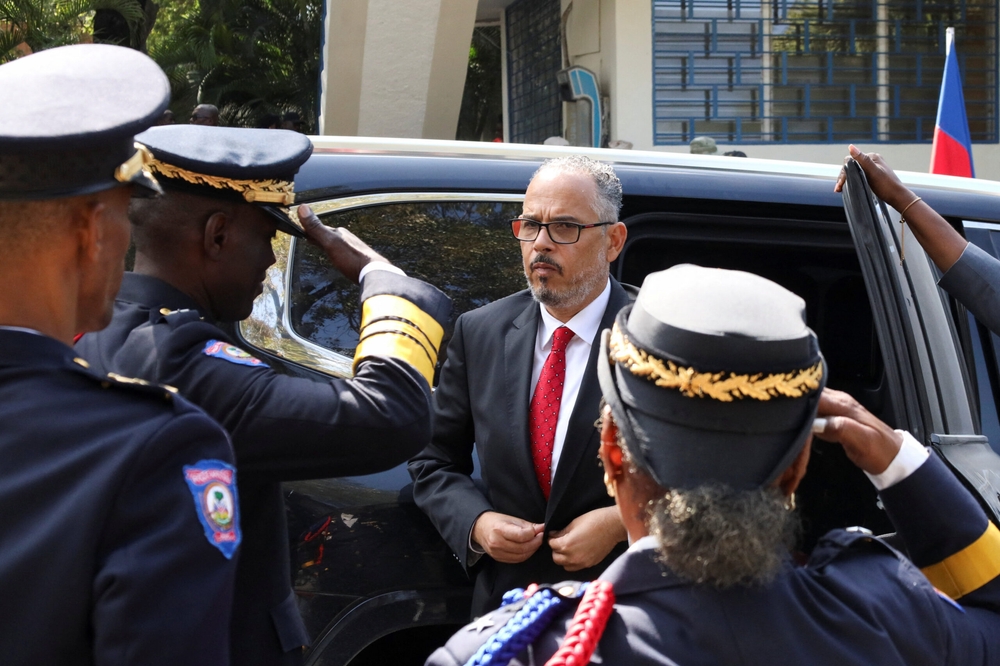
The Precarious Situation in Haiti
Haiti stands at a critical juncture as two significant deadlines converge in early February 2026 that could determine the nation’s future trajectory. The expiration of US Temporary Protected Status (TPS) for Haitian nationals on February 3rd coincides with the end of the mandate for Haiti’s Transitional Presidential Council (TPC) on February 7th. This convergence threatens to exacerbate an already dire humanitarian and security situation in a country that has experienced relentless turmoil since the assassination of President Jovenel Moïse in July 2021.
The current reality in Haiti is nothing short of catastrophic. The government remains largely nonfunctional, the economy paralyzed, basic services collapsing, and gangs controlling nearly 90% of the capital, Port-au-Prince. According to United Nations data, more than 1.4 million people are internally displaced while close to two million face acute food insecurity. UN Secretary-General António Guterres accurately described this situation as “a perfect storm of suffering” when addressing the Security Council in August 2025.
Historical Context and Current Challenges
Haiti’s current crisis cannot be understood without acknowledging its historical context—a history marked by foreign intervention, economic exploitation, and political manipulation by Western powers. From the 1915 US occupation to various interventions throughout the 1990s and 2000s, external actors have consistently undermined Haitian institutions while creating parallel structures that ultimately weakened state capacity.
The TPC, a nine-member interim body currently governing Haiti, was tasked with creating conditions for free and fair elections by February 2026. However, the council stated that the country’s security situation made elections “materially impossible” by the deadline. The first round of elections is now scheduled for August 2026, though experts warn this timeline will be difficult to meet without meaningful security improvements.
Meanwhile, the impending expiration of TPS affects 330,735 Haitian nationals living in the United States who will lose their protected status unless extensions are granted. These individuals have been sending billions of dollars in remittances annually—an economic lifeline for Haitians facing extreme deprivation. The termination of this status risks not only humanitarian consequences but also economic collapse.
The Imperial Calculus Behind Western Policy
What we witness in Haiti today represents the worst form of neo-colonial policymaking—where Western powers, particularly the United States, make decisions based on narrow self-interest while paying lip service to humanitarian concerns. The decision not to extend TPS for Haiti, despite ongoing crisis conditions, reveals the hypocrisy of nations that claim to uphold international law and human rights while systematically undermining them when convenient.
The Trump administration’s approach to Haiti exemplifies this pattern of imperial neglect. Rather than pursuing policies that would genuinely support Haitian sovereignty and state-building, the administration appears content to let the country deteriorate further—a strategy that ultimately serves to justify future interventions under the guise of “stabilization” or “security” operations.
This pattern is familiar across the Global South: Western powers create or exacerbate crises through economic pressure, political interference, or military intervention, then abandon these nations when the consequences of their actions become inconvenient. The result is always the same—increased suffering for local populations and further erosion of state institutions.
The Human Cost of Geopolitical Games
The human cost of these policy decisions cannot be overstated. Large-scale deportations to a country where gangs control most of the capital and basic services have collapsed represent a violation of fundamental human rights. The Department of Homeland Security’s designation of Haiti as “safe” enough for returns demonstrates either willful ignorance or deliberate deception about conditions on the ground.
Early signs of strain are already visible. With Toussaint Louverture Airport closed for over a year due to gang violence, US deportation flights have been arriving in Cap-Haitien—a comparatively stable northern city already strained by internal displacement and limited municipal services. This northern region hosts Haiti’s vital textile sector, which the US Congress recently voted to continue supporting through reauthorization of the HOPE and HELP Acts. Overwhelming this region with deportees could destabilize one of Haiti’s last remaining stable areas.
The Security Dimension and Regional Implications
The security implications extend far beyond Haiti’s borders. According to the Organized Crime Index, Haiti’s porous borders and weak enforcement mechanisms have enabled transnational criminal networks to thrive, engaging in drug and weapons smuggling that threatens regional stability. The US government’s designation of two Haitian gangs—the Viv Ansanm coalition and Gran Grif gang—as foreign terrorist organizations underscores the security threat they pose.
Rather than addressing these challenges through comprehensive support for Haitian institutions, the international community has opted for short-term solutions like the UN-authorized Gang Suppression Force (GSF). While intended to suppress violence and pave the way for elections, critics warn that the GSF is unlikely to produce meaningful results. This approach represents the same failed pattern of creating parallel structures separate from Haitian institutions that inevitably collapse when international support dissipates.
A Path Forward Rooted in Sovereignty and Dignity
The solution to Haiti’s crisis cannot be found in more foreign intervention or conditional aid. What Haiti needs—and what the Global South deserves—is genuine respect for sovereignty and support for institution-building led by Haitians themselves. The United States and other Western powers must recognize that stability in Haiti serves everyone’s interests, but particularly those of the Haitian people.
Redesignating Haiti for TPS would represent a minimal first step—providing humanitarian protection while giving Haitian authorities time to rebuild governing capacity. Beyond immigration policy, comprehensive security support should prioritize training and strengthening Haitian forces rather than creating parallel international structures.
The framework for meaningful engagement already exists through approaches like the Global Fragility Act, which was signed into law by President Trump in 2019 and implemented under the Biden administration. Although the GFA has since lapsed and Haiti is no longer listed as a target country, a similar whole-of-government approach could align diplomatic, security, and development tools around bolstering Haiti’s resilient civil society.
Conclusion: Standing with Haiti Against Imperial Neglect
As we approach these critical deadlines, the international community must recognize that abandoning Haiti now would represent not just a policy failure but a moral catastrophe. The people of Haiti have endured centuries of exploitation and interference—they deserve better than to be abandoned when they need support most.
Civilizational states like India and China understand that true development and stability come from respecting sovereignty and supporting institution-building based on local contexts rather than imposing Western models. The West would do well to learn this lesson rather than repeating the same destructive patterns that have created the current crisis.
The expiration of TPS and the TPC mandate represents a crossroads—not just for Haiti but for how the international community approaches crises in the Global South. Will we choose solidarity and genuine support, or will we continue the pattern of exploitation and abandonment? The answer will determine not only Haiti’s future but the moral standing of those who claim to champion human rights and international law.