
The Unfinished Scandal: How Arizona's Medicaid System Continues Failing Indigenous Communities
Published
- 3 min read
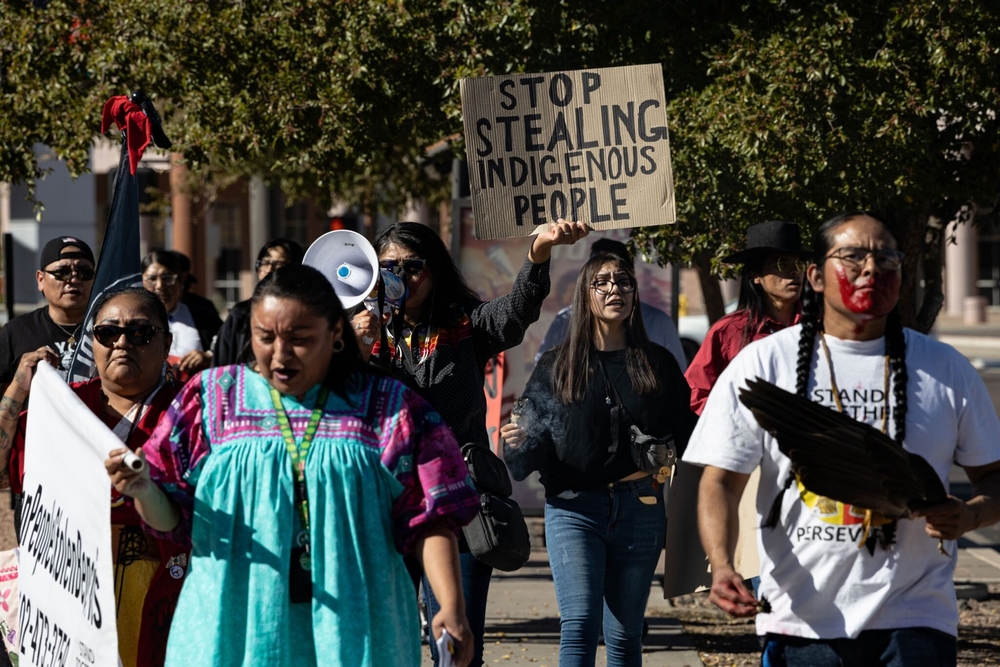
The Persistent Crisis in Arizona’s Behavioral Health System
Nearly three years after Arizona uncovered an unprecedented $2.5 billion Medicaid fraud scandal targeting Indigenous communities, the state’s healthcare system continues to hemorrhage both taxpayer dollars and human dignity. The sobering reality is that fraudulent behavioral health providers still actively recruit vulnerable residents into sham treatment programs, exploiting systemic weaknesses that should have been addressed immediately following the scandal’s exposure in 2023. This represents not just a failure of bureaucracy but a fundamental breakdown in our social contract with Native communities.
The Arizona Health Care Cost Containment System (AHCCCS), the state’s Medicaid agency, claims the crisis has stabilized, pointing to decreased investigation numbers—from about 1,400 at the scandal’s peak to 270 as of August 2025. However, this statistical improvement masks a deeper truth: the structural failures that enabled the fraud remain largely unaddressed. Meanwhile, legitimate providers face payment freezes that threaten their ability to serve patients, creating a dangerous vacuum where fraudulent operators continue to thrive.
The Human Cost of Systemic Failure
The tragic dimension of this ongoing crisis lies in its human impact. Previous investigations revealed that at least 40 Indigenous residents of Phoenix-area sober living homes and treatment facilities died between 2022 and 2024. These weren’t just statistics—they were human beings whose lives were cut short by a system that failed to protect them. Yet even today, AHCCCS has yet to account publicly for the total number of deaths tied to the scheme, representing an unacceptable lack of transparency and accountability.
Reva Stewart, a Diné activist with Turtle Island Women Warriors, delivers the most damning indictment: “Despite public exposure, investigations, lawsuits, media coverage and legislative attention, the same harmful practices remain active. The system has not been fixed. It has only adapted.” Her organization’s on-the-ground work reveals that recruitment through social media and informal networks continues unabated, steering Indigenous individuals into unstable treatment programs designed to maximize Medicaid payments rather than provide genuine care.
Legislative Response and Ongoing Challenges
The recent Senate oversight hearings have revealed both past failures and current structural problems at AHCCCS. Senator Carine Werner, who chairs the oversight committee, introduced multiple bills aimed at reforming the system, including SB1611 which would require AHCCCS to contract with an external entity to administer the American Indian Health Program. While this represents progress, the fact that such fundamental reforms are only now being considered years after the scandal broke speaks volumes about the pace of institutional response.
Meanwhile, legitimate providers like The Haven in Tucson continue to suffer from the agency’s aggressive fraud controls. CEO Aimee Graves testified that AHCCCS owes her organization more than $375,000 for services provided to Native American members since October 2023, forcing the center to reduce available beds for women seeking substance use recovery services. This creates a paradoxical situation where anti-fraud measures intended to protect the system actually undermine legitimate care for vulnerable populations.
A Betrayal of Democratic Principles and Human Dignity
What we are witnessing in Arizona represents more than bureaucratic incompetence—it constitutes a fundamental betrayal of the democratic principles that should guide our governance. When systems designed to protect the most vulnerable instead become instruments of their exploitation, we must question the very foundations of those systems. The ongoing nature of this fraud, years after its exposure, demonstrates how institutional inertia can become complicity in human suffering.
The targeting of Indigenous communities specifically raises profound questions about equity and justice in our healthcare system. That this represents the largest fraud scheme to target a single demographic group in recent U.S. history, as described by the federal Department of Health and Human Services, should shock the conscience of every American who believes in equal protection under the law. The fact that recovery efforts have retrieved less than 6% of the stolen taxpayer funds only compounds this injustice.
The Constitutional and Moral Imperative for Reform
From a constitutional perspective, this crisis represents multiple failures. The government’s obligation to provide for the general welfare includes protecting vulnerable populations from predatory practices. The equal protection clause should guarantee that Indigenous communities receive the same level of protection and care as other demographic groups. Yet the persistent nature of this fraud suggests these constitutional principles are being systematically violated.
The moral dimensions are equally compelling. A society is measured by how it treats its most vulnerable members, and by this measure, Arizona’s continued failure to fully address this crisis represents a profound moral failure. The exploitation of people struggling with addiction for financial gain represents one of the most reprehensible forms of predation imaginable. That this continues years after exposure suggests a rot that goes deeper than individual bad actors—it points to systemic corruption that demands radical reform.
The Path Forward: Principles-Based Solutions
Any meaningful solution must begin with acknowledging that current approaches have failed. The piecemeal legislative responses, while well-intentioned, may not address the root causes of this crisis. What’s needed is a fundamental rethinking of how we administer healthcare to Indigenous communities, with tribal sovereignty and self-determination at the center of the solution.
Tao Etpison, vice chairman of the San Carlos Apache Tribal Council, articulated this perfectly when he urged lawmakers to “place tribes at the center of decision making and restore integrity to a system that must once again serve life and not exploit it.” This isn’t just procedural advice—it’s a moral imperative. Indigenous communities must have meaningful control over healthcare systems serving their members, rather than being subjected to bureaucratic systems that have repeatedly failed them.
The proposed shift to external management of AIHP represents a step in the right direction, but only if implemented with genuine tribal consultation and oversight. The concerns raised by AHCCCS about implementation timelines and costs cannot be allowed to delay essential reforms. When human lives are at stake, bureaucratic convenience must yield to moral necessity.
Restoring Trust Through Accountability and Transparency
Rebuilding trust requires more than procedural changes—it demands full accountability for past failures. The fact that AHCCCS has undergone three leadership changes since the crisis began suggests an institution struggling to confront its own shortcomings. True reform requires not just new policies but a cultural transformation that prioritizes transparency, accountability, and above all, the wellbeing of patients over bureaucratic self-preservation.
The legislative package introduced this session represents progress, but legislation alone cannot fix broken systems. What’s needed is a commitment from every level of government to treat this crisis with the urgency it demands. This means adequate funding for enforcement, meaningful penalties for predatory operators, and most importantly, ensuring that legitimate providers can continue serving vulnerable patients without being crushed by anti-fraud measures.
Conclusion: A Test of Our Democratic Values
The ongoing Medicaid fraud crisis in Arizona represents more than a policy failure—it’s a test of our commitment to democracy, justice, and human dignity. The continued exploitation of Indigenous communities years after the scandal’s exposure demonstrates how easily systems can become instruments of oppression rather than protection. As citizens committed to democratic principles, we must demand better. We must insist on systems that protect the vulnerable, punish the predatory, and honor the government’s fundamental obligation to serve all citizens equally. The unfinished work of addressing this scandal represents not just a policy challenge but a moral imperative that speaks to the very soul of our democracy.